
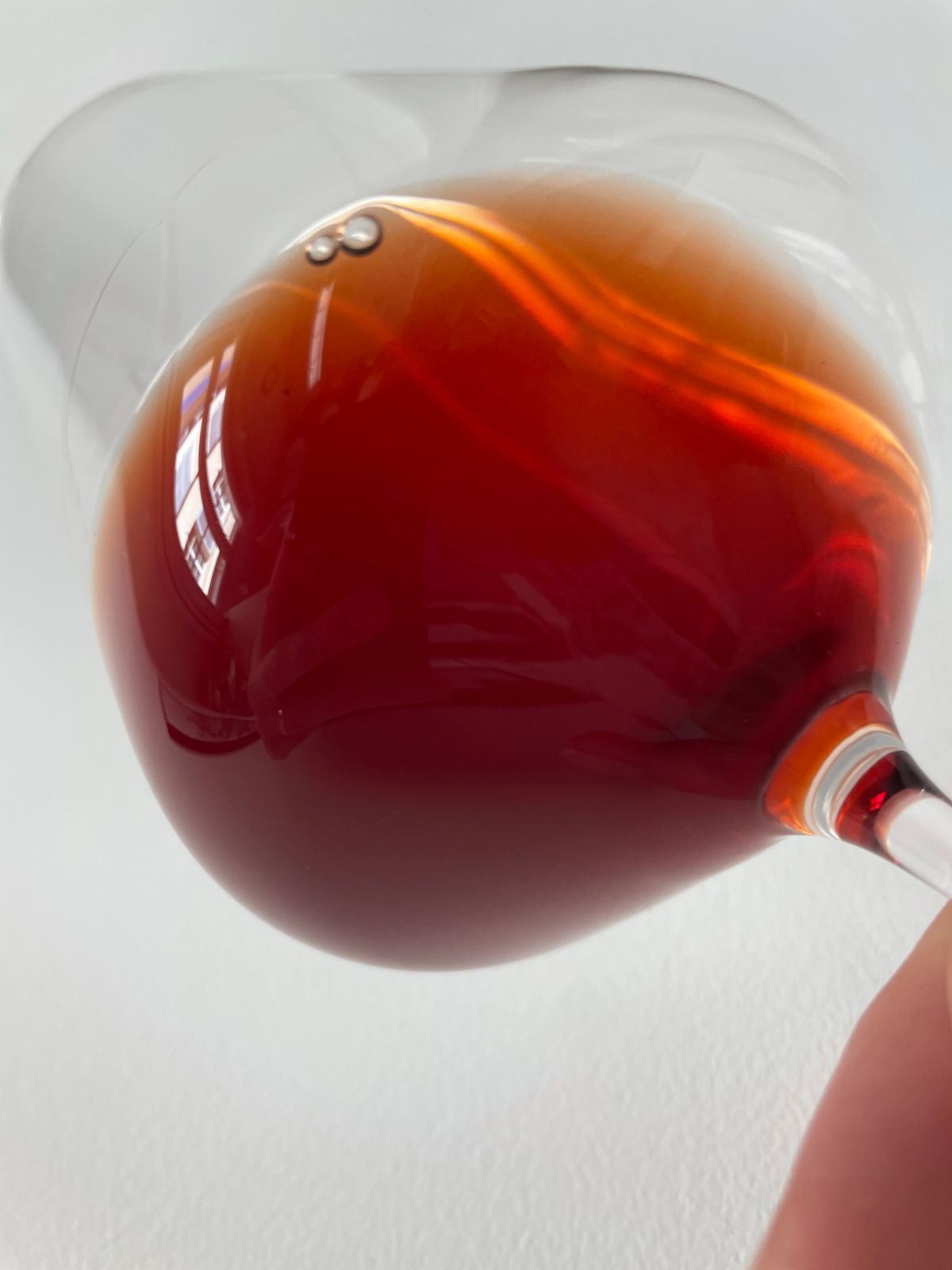
Understanding Red, Rosé and White Wines: A Guide
Whether you’re exploring wine for the first time or diving deeper into the nuances of your wine subscription, understanding what makes red, rosé, and white wines affects how you experience every sip. Each style showcases different grape varieties – think of them as wine's building blocks, but tastier. And once you grasp the styles, pairing wine with cuisine becomes less mystery, more a superpower to deploy when bored of the same old, same old.
Let’s uncork the details and learn what defines these popular wine styles, how they’re made, and what makes each one so special.
Red Wine: Depth and colour from the skin
The secret to red wine lies in the skins. While the flesh of nearly all grape varieties is greenish-grey, it’s the skins that determine a wine’s colour. Dark-skinned grapes are essential for producing red wine, as their pigment infuses the juice during fermentation.
The process begins when dark grapes are crushed to produce what’s called the “must” – the combination of juice, skins, and seeds. The longer the must is left in contact with the grape skins, the more intense the wine’s colour, tannins, and flavour become. Wines made from thicker-skinned grapes, such as Cabernet Sauvignon or Syrah, often result in deeper, richer reds.
For those just beginning their wine journey, red wines offer an incredible variety, from the bold, full-bodied textures of Malbec to the lighter, fruit-forward notes of Pinot Noir. Whether you’re selecting a bottle for a cosy night in or pairing with a hearty meal, red wines bring versatility and depth to any occasion.
Rosé Wine: The all-season favourite
Once considered a summer-only wine, rosé has become a year-round staple, gaining respect for its versatility and refreshing charm. But what makes rosé pink? The answer lies in skin contact—just like with red wine. However, for rosé, the grape skins remain in contact with the juice for only a few hours, rather than days, imparting a delicate pink hue.
Rosé is typically made from dark-skinned grapes like Grenache, Syrah, or Mourvèdre, but there’s room for creativity. Some rosés are crafted by blending pale- and dark-skinned grapes, and on rare occasions, by mixing already-fermented white wine with a touch of red. While this blending technique is less common, it’s a method still used in regions like Champagne for rosé sparkling wines.
Modern wine lovers appreciate rosé for its ability to pair effortlessly with a wide range of dishes—from light salads to grilled seafood—making it a favourite for casual wine nights or alfresco dining.
White Wine: Elegance in simplicity
White wine’s light, bright profile comes from pale-skinned grapes like Chardonnay, Sauvignon Blanc, or Riesling. The lack of contact with grape skins during fermentation ensures the juice retains its clear or pale golden hue. Interestingly, even dark-skinned grapes can be used to make white wine if handled carefully to avoid skin contact. This method, often referred to as “Blanc de Noirs,” is a hallmark of sparkling wine regions like Champagne.
White wines aren’t just about freshness—they can offer surprising complexity. Some are crafted in an orange wine style, where the juice is left in contact with the skins, resulting in a richer, amber-coloured wine with bold textures and flavours.
From crisp, zesty Sauvignon Blancs perfect for summer evenings to buttery Chardonnays that pair beautifully with creamy dishes, white wines offer endless possibilities. They’re also a key part of many wine subscription services, providing a perfect introduction for those just starting to explore the world of wine.
Wrapping Up
Whether you’re drawn to the bold intensity of red wine, the refreshing appeal of rosé, or the bright elegance of white wine, each style tells a unique story. Understanding the role of grape skins and winemaking techniques can deepen your appreciation for the wines you enjoy as well as refine your palate.
For those looking to expand their horizons, our wine subscription can provide a curated selection of reds, rosés, and whites from around the world. It’s a smart way to find new favourites and learn more about wine’s incredible diversity (only princes, no frogs).