
What Makes Wine Cheap vs Expensive?
Why does one bottle of wine cost a fiver and another £5,000?
Generally, the more you pay for a wine, the more you will get out of it.
Why?
We could bore you with tax and alcohol duty calculations, but ultimately you’re paying for a producer’s production costs, raw materials and labour, with factors like rarity, exclusivity and reputation pushing the price up higher.
High end wines aren’t more expensive because the winemaker is greedy. They’re made from higher quality grapes grown in prestigious vineyards. They’re made with longer ageing periods in expensive oak barrels, and perhaps with the help of a renowned wine consultant.
Expensive doesn’t always mean better – there’s no accounting for personal taste. But when you trade up by just a few pounds you’ll see a world of difference in quality.
We’ve taken an irreverent approach to explain the gaping chasm in the price of wines, deciphering what goes into the making of a ‘Coca Cola’ wine, right up to a ‘Rolex’.
1. COCA COLA WINES – <£10
There are some well made wines available under £10.
These are your everyday wines produced for mass appeal and mass success, just like a bottle of coke. Why are these wines so cheap? There are a few key things that make the low price point possible. Typically, these wines are made in larger quantities from higher yielding vineyards, and are nearly always unoaked.
Instead of ageing the wine in oak barrels, these cheaper wines are fermented in large stainless steel tanks and packaged simply to keep costs low. Some oak barrels that wine is aged in can cost £1,000. Opting for stainless steel reduces costs, but misses out on the added flavours.
These wines are released young, fresh and fruity and are not intended to age. They might be less complex in taste compared to a higher priced wine, but will always make up a good proportion of any wine rack and are the lifeblood of the wine industry.
Examples: Hardys Nottage Hill, 19 Crimes, McGuigan Reserve, Cono Sur Bicicleta
2. LEGO WINES – £10-20
Wines that every wine lover will be familiar with, much like the world’s most popular plastic building bricks.
Solid weekend wines, they are the foundations of most wine racks. A sweet spot, and home to plenty of solid producers making high quality, vibrant wines with a story to tell.
Unlike Coca Cola wines, these wines are produced from grapes grown in higher quality vineyards or a specific sub region with some ageing potential and restrained use of oak and maturation periods. This keeps production costs lower, while adding to the quality.
There’s great quality and value to be found here, particularly from newer developing wine regions.
Examples: Savage Salt River Sauvignon Blanc, Bodegas Urbina Crianza, Mas Martinet Menut
3. IPHONE WINES – £20-50
Wines produced by trailblazers or veteran winemakers that have carved a reputation by putting their own spin on a classic region, much like how Apple reinvented the smartphone.
These wines are a treat, a luxury even, but also not inaccessible to the average person. Wines to savour and stash away for a special occasion, but to be indulged in as often as you can afford.
They will have higher production costs than Lego wines with longer ageing periods, likely greater use of oak and made in smaller batches. They may come from grapes farmed organically or biodynamically, grown in more specific sub regions, but are nearly always made with heart by winemakers or producers that are personally invested.
This is one of the most interesting rungs for exploration and discovery.
Examples: Heitz Cellar Ink Grade Zinfandel, Jakot Radikon, David & Nadia Grenache, Domaine Tempier Bandol
4. FORD MUSTANG WINES – £50-150
High end brands from top vineyards, but who cater to a wider market of wine aficionados that don’t necessarily have the budget to create the finest of fine wine cellars.
They are the world’s second ranking wines, by most people’s standards. Reassuringly expensive but attainable, always in style and effortlessly cool, much like the classic Ford Mustang.
They don’t have as high a calibre as a Rolex, but are painstakingly crafted, made from top grapes by top winemakers in prestigious regions and in small quantities.
These wines have great complexity, a distinct sense of terroir and ageability – a safe bet for mere mortals looking to build a respectable cellar. The Rolexes of tomorrow.
Examples: Lias Chardonnay Domaine Labet, Catena Adrianna Vineyard White Bones, Jacques-Frédéric Mugnier Clos de la Maréchale Nuits St George 1er Cru
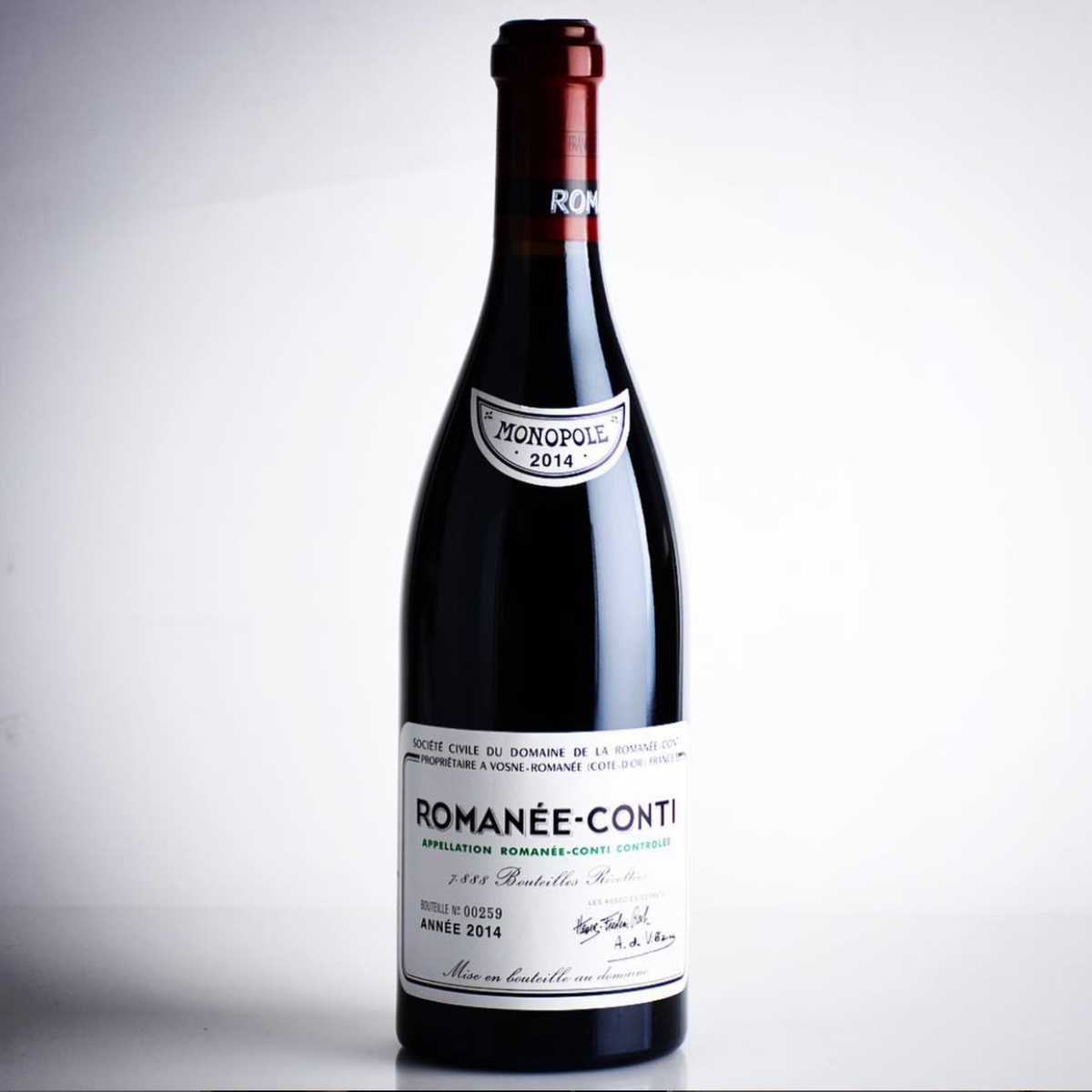
5. ROLEX WINES – £150+++
The big daddies of the wine world. Typically anything with ‘first growth’ or ‘super’ in the title, or new world producers with cult status.
These are the kind of wines that you keep for a very special occasion – anniversary and ‘big’ birthday wines. The kind that most mere mortals would need to save for months if not years to buy, and still say a little prayer as you pop the cork.
These wines are expensive because they are meticulously crafted symbols of impeccable taste. Invariably they are produced from low yielding, high quality vines from specific parcels, made in very small quantities by winemakers with a stellar reputation.
You are paying for rarity, complexity, top end expertise, longer ageing periods, expensive packaging, and the assumption that these wines will age exceptionally well and accrue in value.
Examples: DRC, Lafite, Sassicaia, Sine Qua Non, Angelus, Tiganello, Screaming Eagle
WHAT DETERMINES THE PRICE OF A WINE?
A higher price tag isn’t a clever marketing trick, or a placebo to make you think you’re drinking a fancier wine when you’re really not.
As we’ve mentioned in part above, there are 5 primary factors that determine the price of wine:
- Where did the grapes come from
- How was the wine aged
- How long was the wine aged for
- Who was involved in the winemaking process
- How is the wine packaged and shipped to customers
That doesn’t mean that every bottle of wine is worth exactly what you’re paying for it. You can find plenty of examples of £26 bottles that should cost £12, and £30 wines that are on-par with £50 bottles.
SOLD?
Ready to assess things for yourself? Discover our thoughtfully selected subscription wines, each assembled to punch above their Quality-to-Price-Weight.
Think of it as having a savvy mate who introduces the as-yet under-appreciated stuff before anyone cottons on.