
WINE SUBSCRIPTION GIFT UK: HOW TO GET IT RIGHT (2026)
A wine subscription is the best gift you can give someone who drinks wine. It outperforms a single bottle in every way that matters: it lasts longer, it teaches more, and it gives the recipient something to look forward to beyond one evening.
But most people get it wrong. They buy the cheapest option, or the one with the loudest advertising, or the one that shows up first on Google. The recipient gets a box of wine they did not choose, from producers they have never heard of, with no context for why any of it matters. That is not a gift. That is a delivery.
This guide covers how to choose a wine subscription gift that someone will actually value, what to check before you buy, and why the decision is simpler than the market makes it look.
WHO IS IT FOR?
This is the question most people skip, and it is the only one that matters.
A wine subscription gift works differently depending on who receives it. Someone just getting into wine needs structure and reassurance. Someone who already knows their Burgundy from their Bordeaux needs surprise and quality. Someone who drinks wine casually but has never explored it needs a nudge, not a lecture.
Before you compare prices or count bottles, answer this: what does the recipient actually want from wine? If the answer is "I don't know," that is fine. It means you want a service that curates intelligently enough that the recipient does not need to know either. Look for subscriptions that include tasting notes explaining why each wine was chosen, not just what it tastes like. Context is what separates a gift from a grocery delivery.
THE THREE THINGS THAT MATTER
Hundreds of wine subscription services operate in the UK. Comparing them all is pointless. Instead, check three things about any service before handing over your card.
Curation quality. Who selects the wines, and what is their track record? A service run by qualified tasters who visit producers will select differently from a service that buys surplus stock from importers. The difference shows up in the glass. Ask: do they name their selectors? Can you see their credentials? If the answer is "our expert team" with no names attached, that is a warning.
Context and learning. A box of wine without context is just wine. The best subscription gifts include tasting notes that build the recipient's confidence over time, not just describe what is in the bottle. Look for notes that explain the region, the producer's philosophy, and why this wine was chosen for this month. The recipient should know more about wine after six months than they did at the start. If the notes read like back-label marketing copy, they will not.
The guarantee. Wine is subjective. Not every bottle will land. The best services acknowledge this with a genuine guarantee: if the recipient does not enjoy a wine, it gets replaced or credited. Check the terms. "Money-back guarantee" and "we'll replace it" are different promises with different friction levels.
Everything else, packaging, delivery speed, whether they include a branded corkscrew, is noise.
WHAT TO ACTUALLY SPEND
The UK market spans from £25 a month to over £100. The sweet spot for gifting sits between £50 and £100 a month. Below £50, the per-bottle price means the wines are competing with supermarket shelves, and the curation is usually less distinctive. Above £100, you are in collector territory, which is a wonderful gift for the right person but not the right default.
Three months is the minimum duration for a gift that feels meaningful. One month is a taster. Three months lets the recipient settle in, notice the quality, and start anticipating the next delivery. Six months is generous. Twelve months is the gift that keeps being mentioned at dinner.
Price should reflect the bottle, not the subscription infrastructure. A £50-per-month subscription delivering three bottles means roughly £16 per bottle. At that price point, the wines should be significantly better than anything the recipient would grab off a shelf. If they are not, the subscription is not doing its job.
THE TIMING QUESTION
Wine subscriptions are gifted in waves: Christmas, Valentine's Day, birthdays, anniversaries, and Father's Day account for the vast majority. The mistake is waiting until the week before.
Most services need 2-3 business days for delivery. Some offer next-day. But the better question is when the subscription should start, not when the order is placed. The best services let you set a start date, include a gift message, and ship the first box on a date you choose. Check this before ordering. A subscription that starts immediately when you wanted it to arrive on a specific birthday is a problem you can avoid.
For last-minute gifts, most services offer digital gift vouchers or e-cards that arrive by email. These work, but they lack the physical impact of a box arriving at the door. If timing allows, the physical first delivery is always better.
WHAT TO WATCH FOR
Auto-renewal is the trap. Most wine subscription gifts auto-renew into a paid subscription for the recipient after the gift period ends. This means the person you gifted gets charged unless they actively cancel. Check whether the gift subscription ends cleanly. The best services make gift subscriptions non-renewing by default. If the terms are unclear, ask before buying.
Volume is not value. A subscription that sends 12 bottles for £30 a month is not a better gift than one that sends 3 bottles for £50. The recipient does not need more wine. They need better wine. The gift is not quantity. It is quality and discovery.
Corporate gifting is different. If you are buying wine subscriptions for clients or colleagues, the requirements change. You need consistent quality, reliable delivery across multiple addresses, and the ability to include branded or personalised messaging. Most consumer-facing subscriptions handle this poorly. Look for services that explicitly offer corporate gifting with account management.
The best gift subscriptions teach. The recipient should finish the subscription knowing more about wine than when they started. That means tasting notes with depth, progression across deliveries (not random selections), and ideally some structure that builds: this month's Chenin Blanc connects to last month's Vouvray because they are the same grape from the same region made in different styles. That kind of curation is rare. When you find it, it is worth paying for.
A WINE SUBSCRIPTION GIFT IS BETTER THAN A BOTTLE
A single bottle, even an expensive one, provides one evening of enjoyment. It gets opened, poured, discussed briefly, and recycled. No matter how good the wine, the experience is finite.
A subscription provides twelve evenings minimum. Each delivery is a small event: what did they send this month, what is the story, what does this one taste like compared to last month's. Over time, the recipient develops preferences, discovers regions, forms opinions. They become someone who has something to say about wine, not because they studied, but because they tasted their way there.
That transformation, from "I don't really know about wine" to "I have opinions and I know what I like," is worth more than any single bottle. It is the real gift.
HOW OURGLASS DOES IT DIFFERENTLY
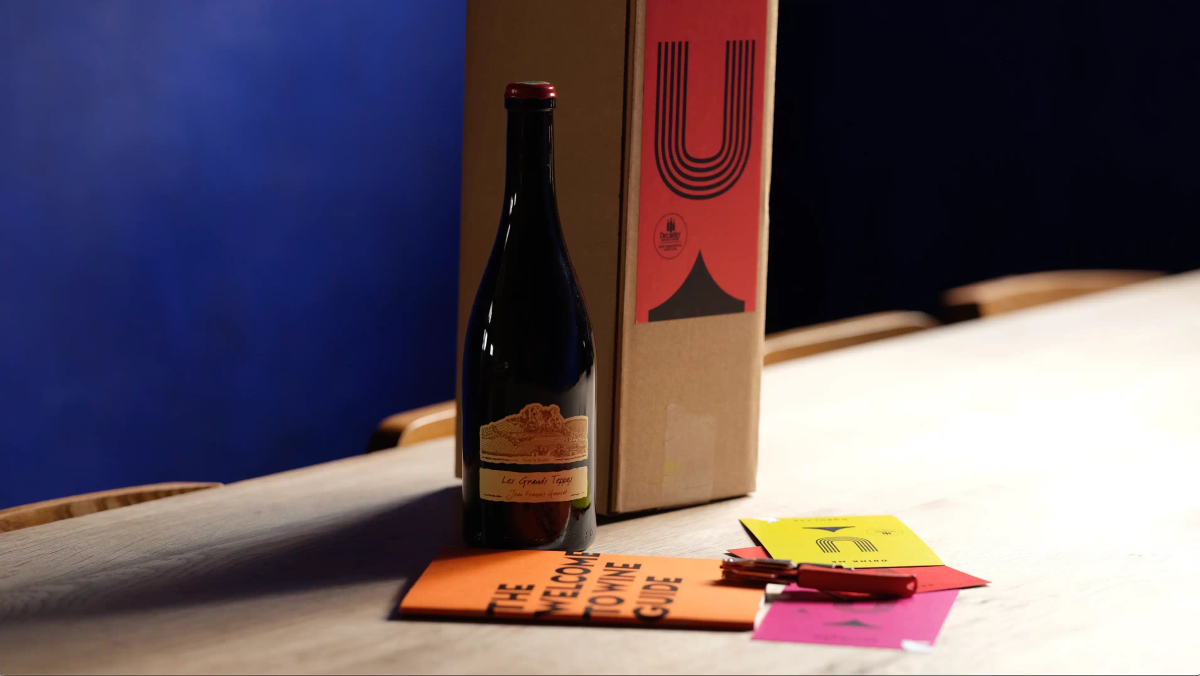
Ourglass is a wine discovery club built around learning, not just delivery. Every box is curated to build on the last. The tasting notes explain why each wine matters, not just what it tastes like. Short guides, food pairings, and producer stories give the recipient a vocabulary they did not have before.
We source from small independent producers chosen for character, not for volume deals. The wines are chosen to teach something: a region, a style, a producer philosophy, a point of comparison. Three months of Ourglass and the recipient picks wine differently. Twelve months and they are the person asked to choose the wine at dinner.
Every gift is backed by the Ourglass guarantee: love it, or the next box is free. No questions, no friction.
Browse wine gifts at ourglass.wine/gift and find the right option, or email advice@ourglass.wine and we will help you choose.
FREQUENTLY ASKED QUESTIONS
What is the best wine subscription gift in the UK?
The best wine subscription gift depends on the recipient. For someone new to wine, look for a service that includes educational tasting notes and curates for approachability. For experienced drinkers, look for a service that consistently reaches beyond what they would buy themselves. Ourglass covers both.
Is a wine subscription a good gift?
Yes. It lasts longer than a bottle, removes guesswork, and helps the recipient discover what they actually like. It is the most useful wine gift you can give someone who drinks wine.
How much should I spend on a wine subscription gift?
Between £50 and £100 a month is the sweet spot. Three months minimum for a meaningful gift. The Mystery Four at £99 or Mystery Six at £189 are strong entry points for one-off gifts. Annual subscriptions from £550 make the most impact.
Do wine subscription gifts auto-renew?
Check the terms carefully. The best services make gift subscriptions non-renewing by default. Ourglass gift subscriptions end cleanly with no auto-renewal.
Can I choose when the subscription starts?
Most services let you set a start date and include a personalised message. Confirm this before ordering, especially for birthdays and anniversaries.
What if they do not like a wine?
Look for a genuine guarantee. Ourglass replaces any wine the recipient does not enjoy. Love it, or the next box is free.
Can I gift a wine subscription to someone who already has one?
Yes. Email the service before purchasing. Most can upgrade the existing subscription, extend it, or find an alternative solution. For Ourglass, email advice@ourglass.wine.
Is a wine subscription better than a bottle as a gift?
Almost always. A bottle provides one evening. A subscription provides months of discovery, learning, and anticipation. The only exception is a single bottle with deep personal significance.