
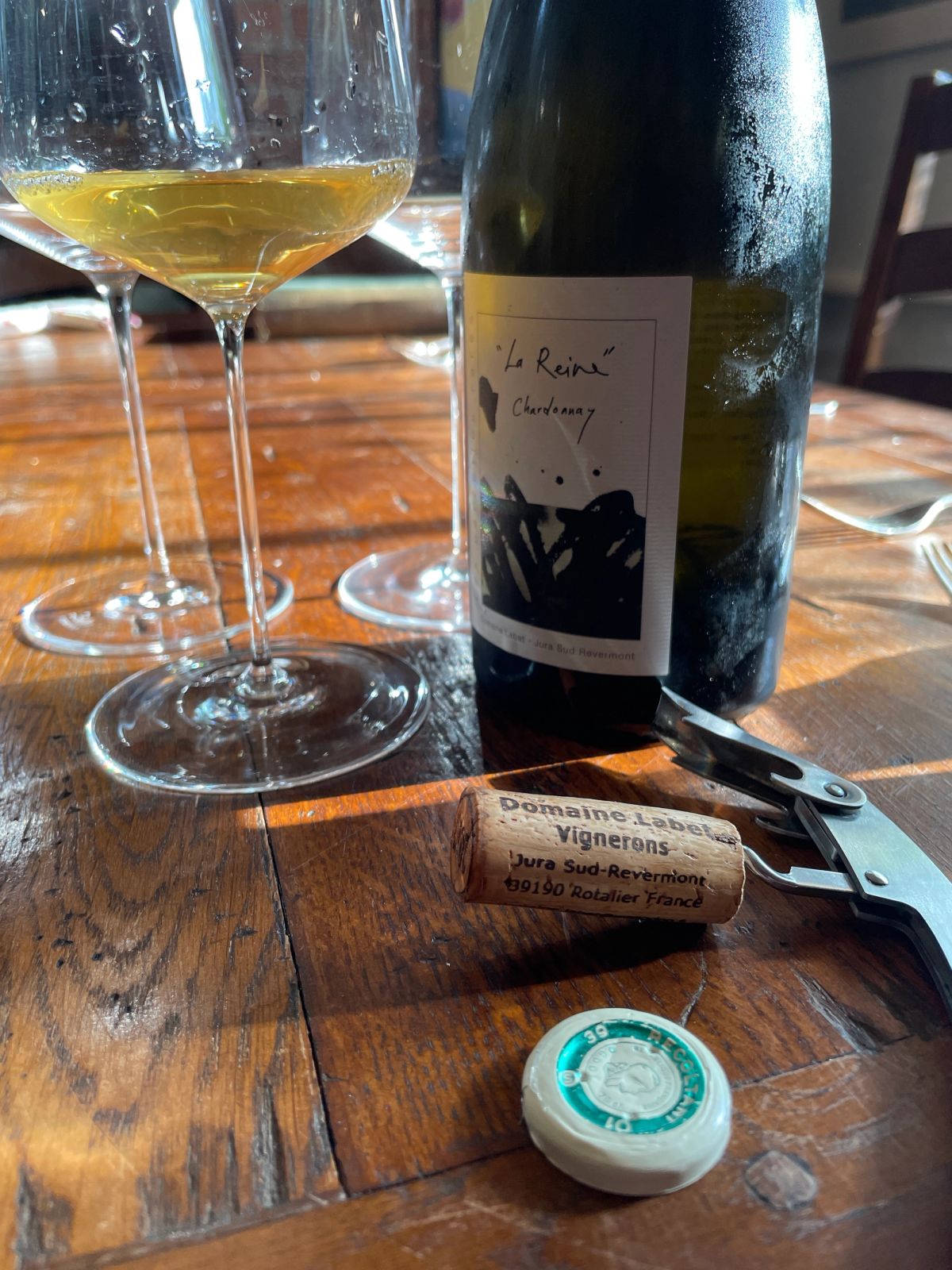
Wine quality exists beyond the realm of critics' scores and auction prices (though they're useful indicators). The finest bottles often speak to something more fundamental: thoughtful farming, precise winemaking, and an honest reflection of place. For its ability to capture both nature and culture in liquid, wine remains unmatched.
THE FOUNDATION: FARMING
Wine begins in the vineyard, where every decision shapes the final product. The best wines emerge from vineyards where farming practices prioritise long-term soil health over short-term yields. Organic, biodynamic, and regenerative approaches aren't merely marketing terms—they represent philosophical commitments to stewarding the land.
The impact extends beyond the glass. Thoughtful farming supports biodiversity, protects worker health, and ensures vineyard longevity. While these practices don't guarantee excellence, they provide the foundation from which great wine can emerge.
BEYOND NOBLE GRAPES
The hierarchy of grape varieties has evolved significantly. Historical "noble" grapes like Cabernet Sauvignon and Chardonnay now share the spotlight with once-overlooked varieties in many cases saved from extinction. Aligoté in Burgundy and Sylvaner in Germany demonstrate that no grape is inherently superior—context and craftsmanship determine quality.
This democratisation of varieties has enriched wine culture immeasurably. Like a chef working with humble ingredients, skilled vignerons can extract profound expression from supposedly "lesser" grapes.
THE TECHNICAL FRAMEWORK
Quality wine exhibits balance, regardless of style. Acidity provides freshness and structure. Tannins, in reds, should be present but integrated. Alcohol needs to support rather than dominate. These elements should work in harmony, creating a whole greater than its parts.
However, technical perfection alone doesn't define greatness. Some profound wines challenge conventional metrics of balance, especially in youth. Barolo's famously stern tannins or German Riesling's electric acidity might seem extreme in isolation but prove essential to the wine's development and character.
THE VINTAGE QUESTION
While vintage variations matter, the relationship between growing season and wine quality isn't linear. Superior vintages can yield disappointment in careless hands, while challenging years often inspire brilliant adaptations from thoughtful producers.
Take Burgundy's cool 2021 harvest: Where some saw disaster, others produced wines of remarkable clarity and precision – different from warm vintages but no less compelling. The finest producers read their vineyards and adjust accordingly, treating each vintage as an opportunity rather than a verdict.
TERROIR: POTENTIAL AND EXPRESSION
Terroir encompasses soil, climate, topology, and human influence. Great terroir provides potential, but translating that potential into quality requires careful stewardship. The most prestigious sites can yield mediocre wines under negligent farming, while overlooked parcels can produce profound results when worked with precision.
This relationship between site and craftsmanship explains why the same vineyard can produce such different results under different hands. The best wines don't simply reflect their terroir—they interpret it through skilled cultivation and winemaking.
THE HEALTH PARADIGM
Contemporary health guidance generally discourages alcohol consumption. Yet wine's cultural role extends beyond how it impacts us physically. When consumed moderately and mindfully, avoiding both the outright puritanical and hedonistic urges, wine can enhance social connections and cultural understanding.
The quality discussion intersects with health through production methods. Minimal-intervention wines, made without excessive additives or manipulation, often prove more digestible and satisfying in modest portions.
DEFINING QUALITY
A truly good wine represents the coming together of multiple factors:
- Thoughtful farming that respects both land and labor
- Skilled winemaking that guides rather than forces
- Balanced structure that supports aging or immediate consumption
- Production methods that prioritise transparency and minimal intervention
These elements combine to create wines that do more than please—they provoke thought, create memories, and deepen our connection to place and time.
The best wines don't necessarily announce their quality immediately. They often reveal their character gradually, rewarding patience and attention. Their complexity isn't measured in intensity but in how they evolve in the glass and engage the drinker intellectually as well as sensually.
For the wine enthusiast, understanding quality means looking beyond immediate gratification or critical consensus (as seen in the Burgundy 2023 vintage). It requires developing personal criteria while respecting traditional benchmarks. The journey toward appreciating wine quality parallels wine itself—it evolves, deepens, and enriches with time and attention.
The best wine like finding the best wine club for you, isn't about impressing guests (a little doesn't hurt mind), it's about discovering what genuinely excites your palate.
KNOWLEDGE IS POWER
Check out our film with award-winning sommelier and restauranteur, Michael Sager for tips on how to taste like a pro.