
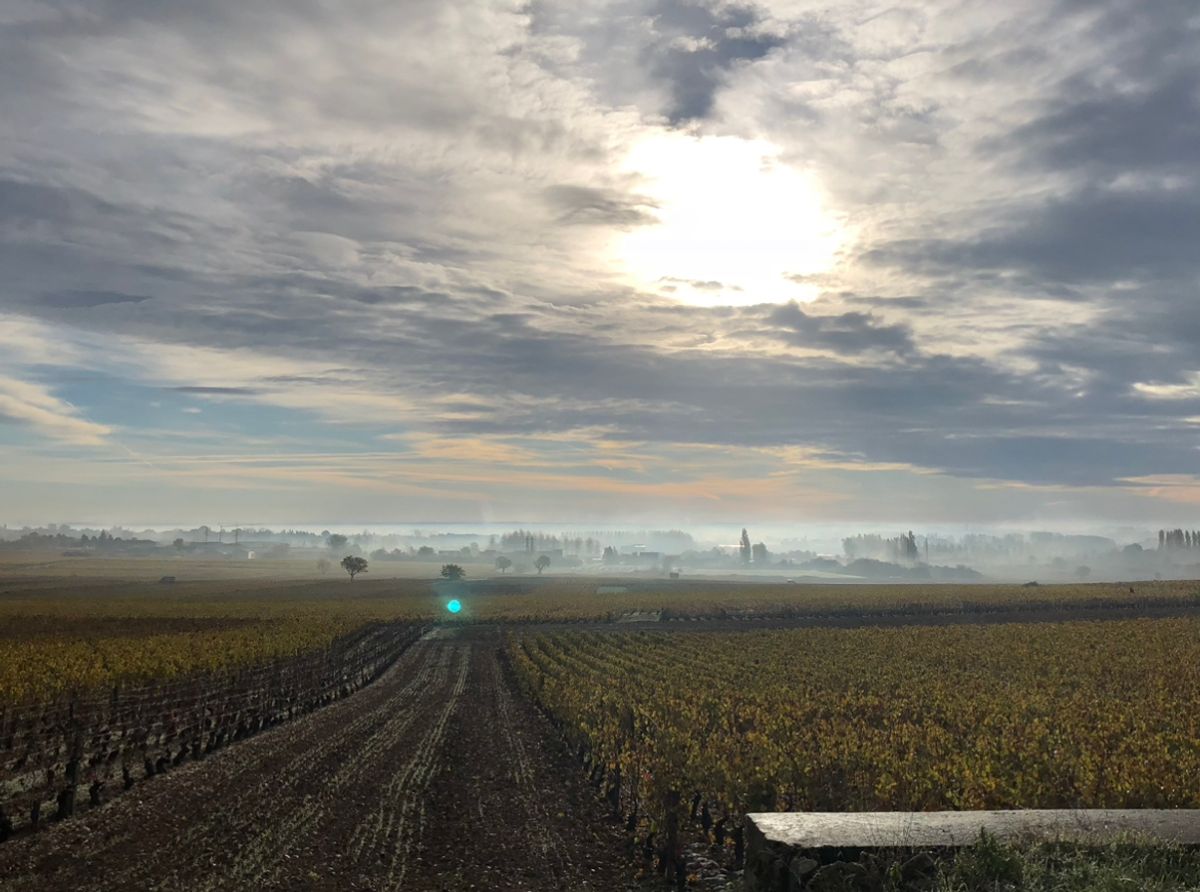
Remarkable, classical, pure. These are just some of the words used by critics and commentators to describe Burgundy’s 2021 vintage.
It was a challenging year, with frost, coulure, mildew, oidium, botrytis and pests vying for supremacy as the pandemic eased. Harvesting started around mid to late September for Pinot Noir and Chardonnay, so slightly less extreme than the record early harvests of 2020. But despite the changeable weather and in places dramatic impact on production, the classical characteristics of energy, balance and freshness synonymous with Burgundy shone through in this vintage.
You new here? If you're new to Burgundy, start with our guide to French wine regions.
Wines have been met with fanfare among sellers, critics and producers alike, and there’s plenty to love about the 2021 vintage, which is an exceptionally pure expression of red and white Burgundy. “Well chosen, every single wine from the 2021 vintage is excellent, from Bourgogne AOC all the way up to Pommard,” says Benedict Johnson, founder of Ourglass. “The whites are generally fresh, balanced and energetic with an evenness across producers and appellations of Burgundy, from Beaune to Chablis. For reds, expect lighter rather than opulent fruit and a pure, fresh profile.”
2020 was a generous vintage for Burgundy, but it was also a fork in the road in terms of moving away from the purity and typicity that marks the region out. Burgundy is clearly evolving, but thankfully 2021 marked a return to the 'classic' style seen in the 2019, 2016 and 2014 vintages that preceded it. There are several factors behind this, believes Johnson, but chief among them is the volatile, changeable conditions across seasons, months and even hours, placing even greater emphasis on winemakers needing to be prepped and ready to act decisively as conditions demand.
“With these influences, Burgundy is changing,” he says. “In warmer years, climate heating and natural winemaking contribute to an open, expressive, fruity profile,” he adds. “Also the growing influence of a more natural method and style, I think, brings more of the fruit out, which when paired with warm, dry conditions makes a wine more immediately accessible but less ageable. While less of an issue in the cooler vintages like 2021, it means in their warmer equivalent vintages that some of that characteristic Burgundian elegance, age-ability and terroirs expression become less present.”
When it comes to climate change, many producers might want the classic, age-able profile of the 2021 vintage, without the sudden changes in weather and soul destroying impacts on the annual crop. In the glass, it is an exceptional vintage and a gratifying return to form for a region in danger of replacing terroirs with vintage expression. Climate change is, to some extent, out of the control of winemakers. But what’s clear is that Burgundy is not only evolving to face the challenges, smart winemakers are leaning on their hard won experience – and advice from peers in hotter climes – to adapt to make the best of both the warm and cooler vintages. 2021 will be a year to remember and savour for both the purists and newbies alike. Below are just some of the top winemakers that we believe are making the best of it.
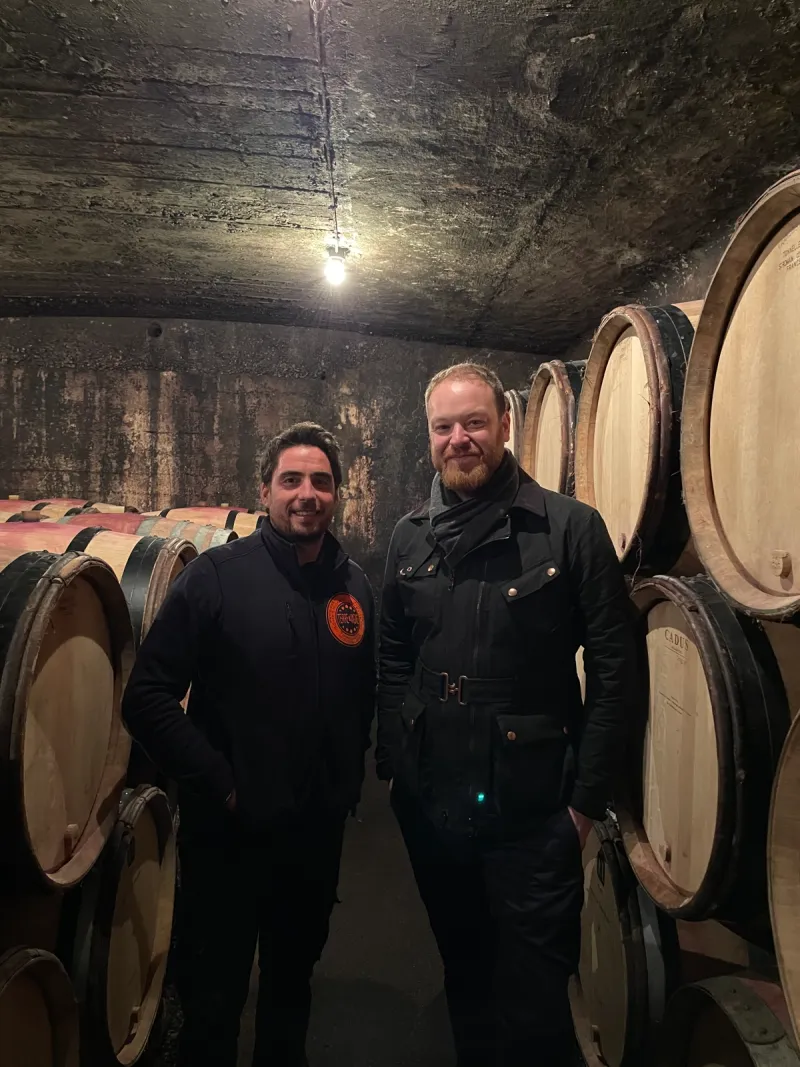
Thomas Bouley, Domaine Jean-Marc Bouley
A young producer making serious Burgundy in Volnay. Thomas Bouley is the son of Jean-Marc, who founded the domaine in 1974 and which includes the vineyards of his father and grandfather. Thomas has been in charge of the family estate since 2012, gaining a reputation for producing wines with a “little age, tempered with characteristic red Burg freshness and elegance”. Traditional yet rustic, modern and generous, Bouley produces primarily red wines from vineyards in Volnay, Pommard and Beaune, with one vineyard producing a Bourgogne Aligoté from a vineyard in Meursault. Look out for his Volnay 1er Cru Caillerets – an exceptional red Burgundy.
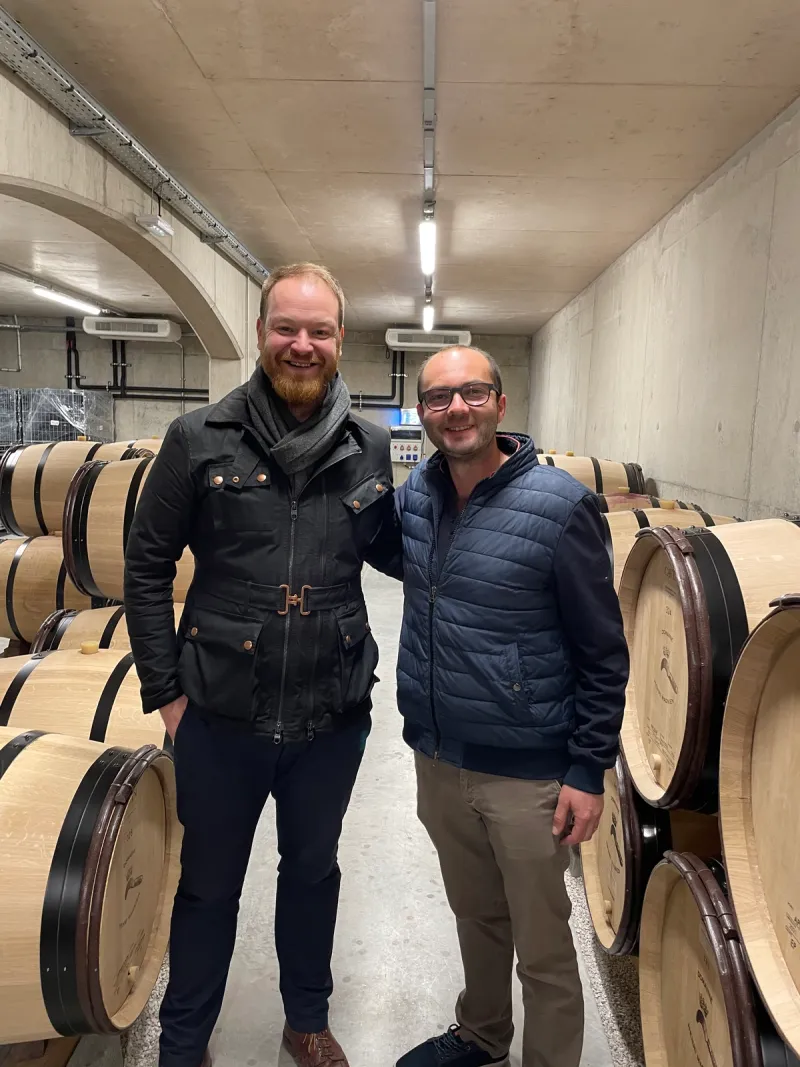
Charles Magnien – Domaine Henri Magnien
Domaine Henri Magnien is a small family estate covering around six hectares in Gevrey-Chambertin. Today, it’s run by Charles Magnien, the grandson of Henri, and one of Burgundy’s rising stars. 80% of its vineyards are farmed organically, which are spread across 1er Crus including Estournelles St-Jacques and Les Cazetiers and the Grand Cru Ruchottes-Chambertin. Its unique calling card are its self propagated parcels of “Pinot Noir Magnien” – vines which are aged between 70-100 years old. Charles favours gentle extraction, having worked with his cooper to develop a lightly toasted barrel to minimise oak influence. Expect wines with depth, richness and drinkability. Look out for Henri’s Gevrey Chambertin Villages and Gevrey Chambertin ‘Champerrier’ lieu dit.
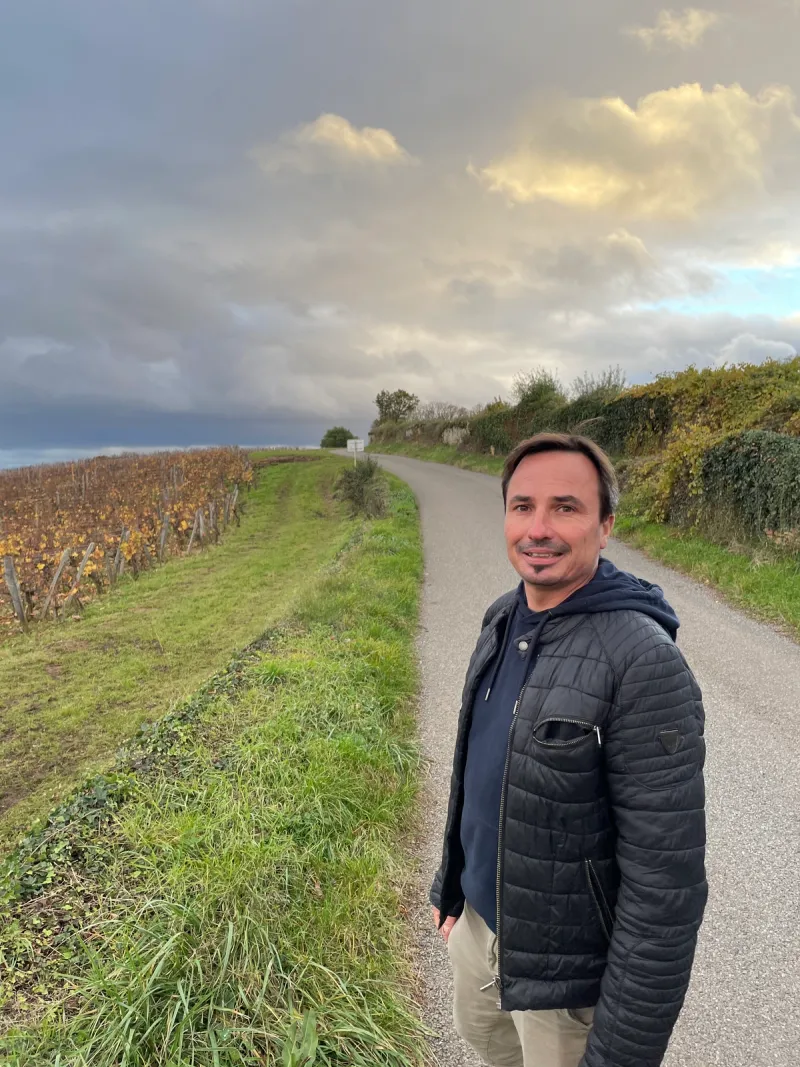
Jean-Philippe Bret & Jean-Guillaume Bret – Domaine de La Soufrandière / Bret Brothers
Brothers Jean-Philippe and Jean-Guillaume are a force to be reckoned with in Southern Burgundy, producing natural, organic wines that are generous, fresh and delicious. Since withdrawing their family estate in Vinzelles from a local co-operative in 2000 the pair have transformed La Soufrandière into one of the best producers of white wines in the Mâconnais by paying minute attention to terroir and yields. The brothers are a beacon of biodynamic and natural winemaking, having attained organic and biodynamic certification in 2006. Wines are vinified with indigenous yeasts, fermented in concrete eggs and bottled without filtration. The Bret Brothers negociant operation follows a similar ethos, producing natural whites from organic grapes grown in the Mâcon and reds from Beaujolais (notably Brouilly, Lantignin, Chénas and Juliénas).
Back to the future? To compare recent vintages, check out our Burgundy 2023 vintage report.
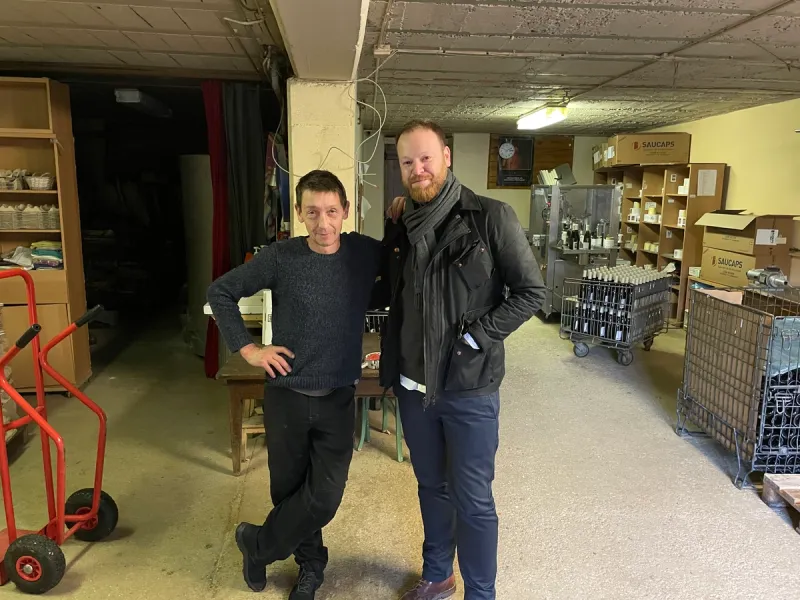
Julien Labet – Domaine Labet (Jura)
A sidestep from Burgundy is Domaine Labet, in Jura. Alain Labet was among the first to make single vineyard wines in the Jura nearly 50 years ago. While ageing under flor is the norm in Jura, Alain eschewed tradition in favour of making wines without oxidative ageing, allowing him to better express terroir. His son, Julien, is now carrying the torch for this innovative domaine, having spent time in Burgundy to learn his father’s trade. Located in Rotalier, in the Sud-Revermont, the estate comprises 13 hectares of vines, planted to Gamay, Pinot Noir, Poulsard, Trousseau, Chardonnay and Savagnin, all of which are farmed organically. Its calling card is its limestone-infused terroir, which imparts a minerality and acidity that defines the distinct character of these expressive wines.
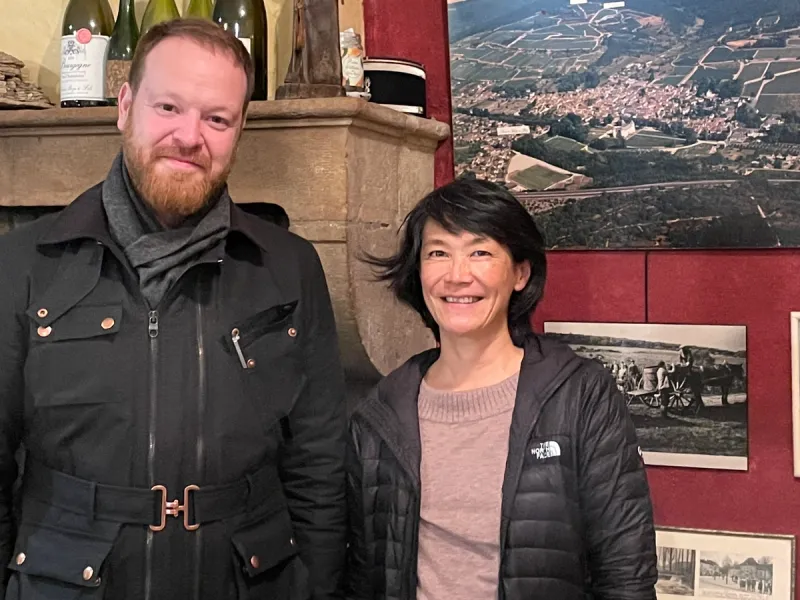
Chisa Bize – Domaine Simon Bize et Fils
Founded by 1880, its modern transformation occurred in the 1950s when third generation Simon Bize began bottling and selling his own wine. His son, Patrick Bize, would take this further, expanding the winery and range considerably. Over his 20+ years of stewardship, Patrick Bize built a reputation for understated yet serious wines laced with energy, balance and structure that were lauded by insiders and fellow producers alike. Since his sudden passing in 2013, the domaine has been in the capable hands of his wife Chisa, sister Marielle, and winemaker Nicolas Gordo. Most of its vineyards are located in Savigny-Lés-Beaune, including seven premier cru sites. It also covets a sliver of land in Gevrey Chambertin, a 0.3 hectare slice of Latriciéres Chambertin.
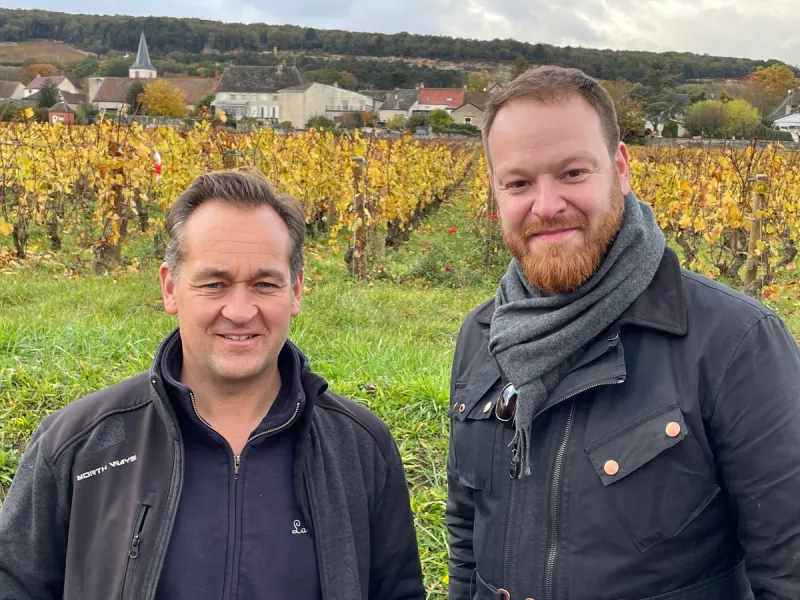
Alex Moreau – Domaine Bernard Moreau
The name Bernard Moreau has long been synonymous with Chassagne-Montrachet in the Côte de Beaune. Founded in 1809, this family estate is meticulous about terroir, consistently producing some of the purest and opulent wines of the region. Since 1999, the estate has been managed by Bernard Moreau’s sons, Alex and Benoît. Its operation comprises 14 hectares of organic vineyards that are sustainably farmed with no use of herbicides or pesticides and only plowing permitted. Wines are made from low yielding vines with minimal intervention (no racking or lees stirring), fermented with natural yeastsand bottled without filtration and only light fining. Moreau produces some outstanding cuvees, including his Chassagne-Montrachet 1er Cru Les Grandes Ruchottes and Chevalier-Montrachet Grand Cru, though its white Burgundy is among the best in the region.
Want to taste more? Read our beginner's guide to wine tasting.
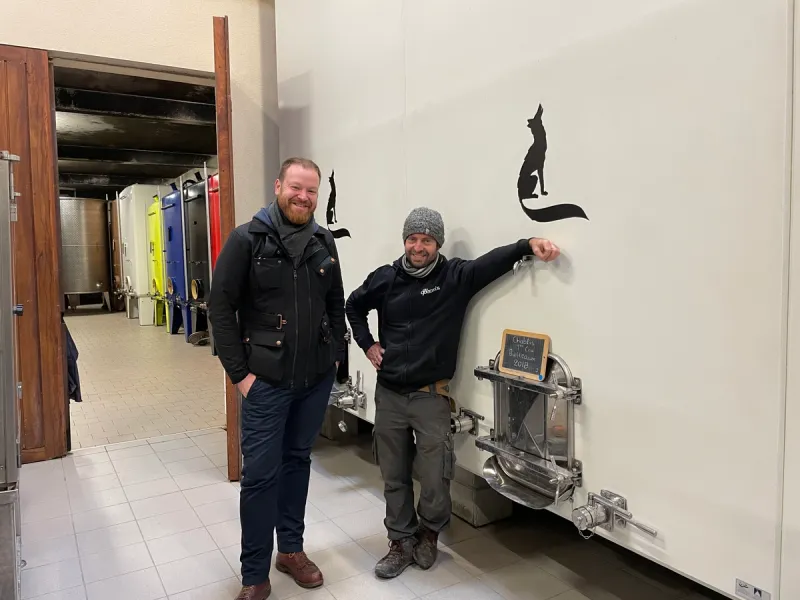
Thomas Pico – Domaine Pattes Loup
A rising star of Chablis, Thomas Pico has already made a name for himself among natural wine enthusiasts. Pico returned to the family estate, Bois d’Yver in Courgis, Chablis, in 2004. Inheriting 8ha from the family estate, he set about starting his own label and converting his operation to organic. He gained full certification in 2009, and today Domaine Pattes Loup comprises 25 hectares, much of which is planted on the on the lieu-dit Pattes Loup, after which the domaine is named. Wines are fermented in either neutral wood, stainless steel or concrete eggs with minimal intervention and aged old oak barrels, producing wonderfully complex, vibrant wines. Pico produces wines from three Chablis 1er Crus – Côte de Jouan, Beauregard and Butteaux. Still in his 30s, the best is yet to come from this accomplished winemaker.
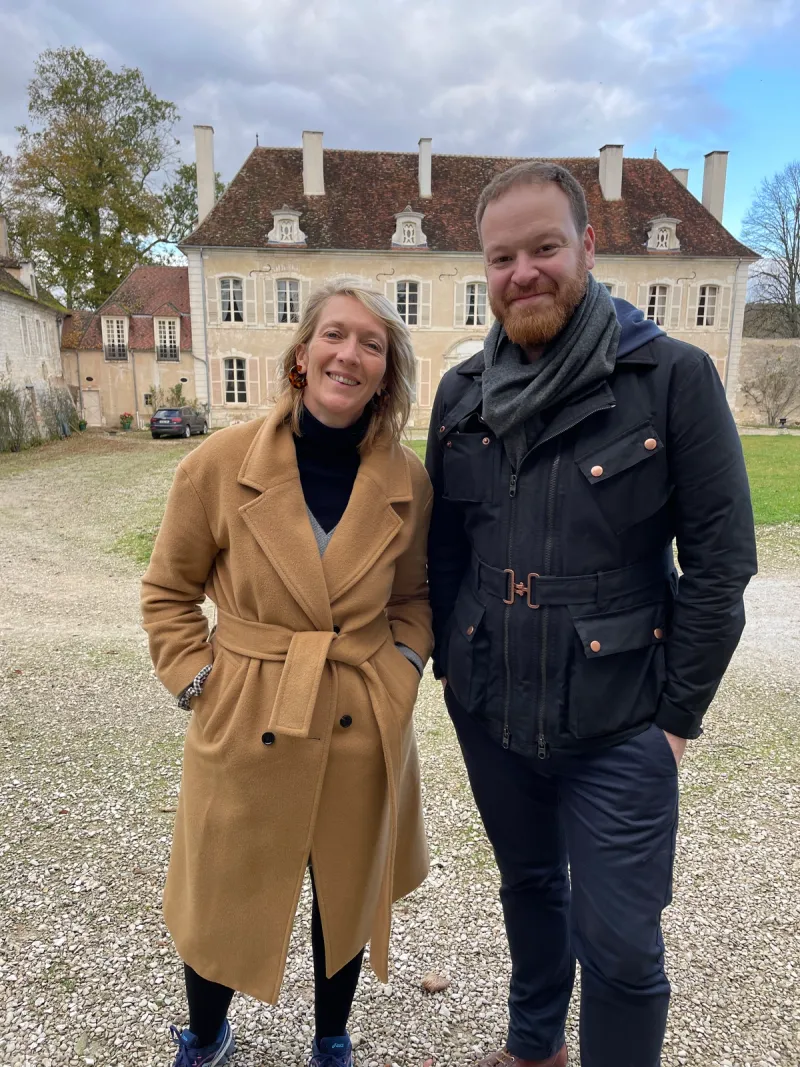
Athénaïs Beru – Château de Béru
Natural wines from Chablis, Château de Beru is an advocate of organic, biodynamic viticulture and a low-intervention winemaking. The 12-hectare estate has been in the Béru family for the past 400 years, but found renewed vigour in the 1980s when its vineyards were replanted by Éric de Béru and his wife Laurence. The family converted to organic in 2005 and has been biodynamic since 2010. Today it’s operations are two fold: the winery’s historic Béru label, and daughter Athénaïs’ negoce-based label. The latter was set up to showcase a more diverse range of wines. Athénaïs’ wines are made with certified organic or biodynamic grapes from local vineyards and vinified without additional yeast, fining or filtration. Particularly distinctive is Athénaïs’ Amphore Chardonnay, made from grapes that are macerated, fermented and aged in 400l terracotta amphoras, then further aged in barrel.
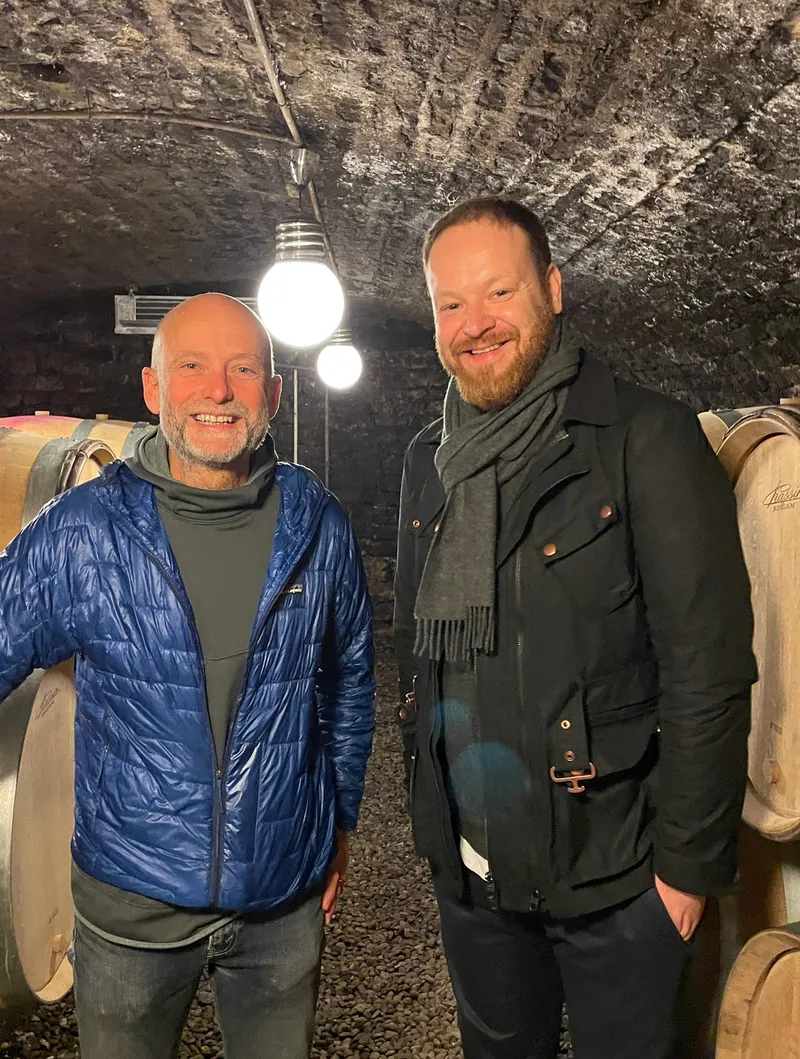
Vincent & Théo Dancer – Domaine Vincent Dancer
A super small organic winery in the Côte de Beaune, Vincent Dancer’s wines are some of the most sought after in Burgundy. He took over management of his families vines in 1996 at the age of just 22, having studied oenology in Beaune. They cover just 6 hectares but span some of the most prestigious parcels in Burgundy, including Chassagne-Montrachet, Puligny-Montrachet, Meursault, Pommard and Beaune. His wines are unique and precise and showcasing individual terroir is his absolute imperative. Certified organic, all of Dancer’s wines are made with wild yeast, zero sulphites and very little intervention, while his whites are fermented in oak barrels. Only a few barrels are made each year, which are swiftly and repeatedly snapped up.
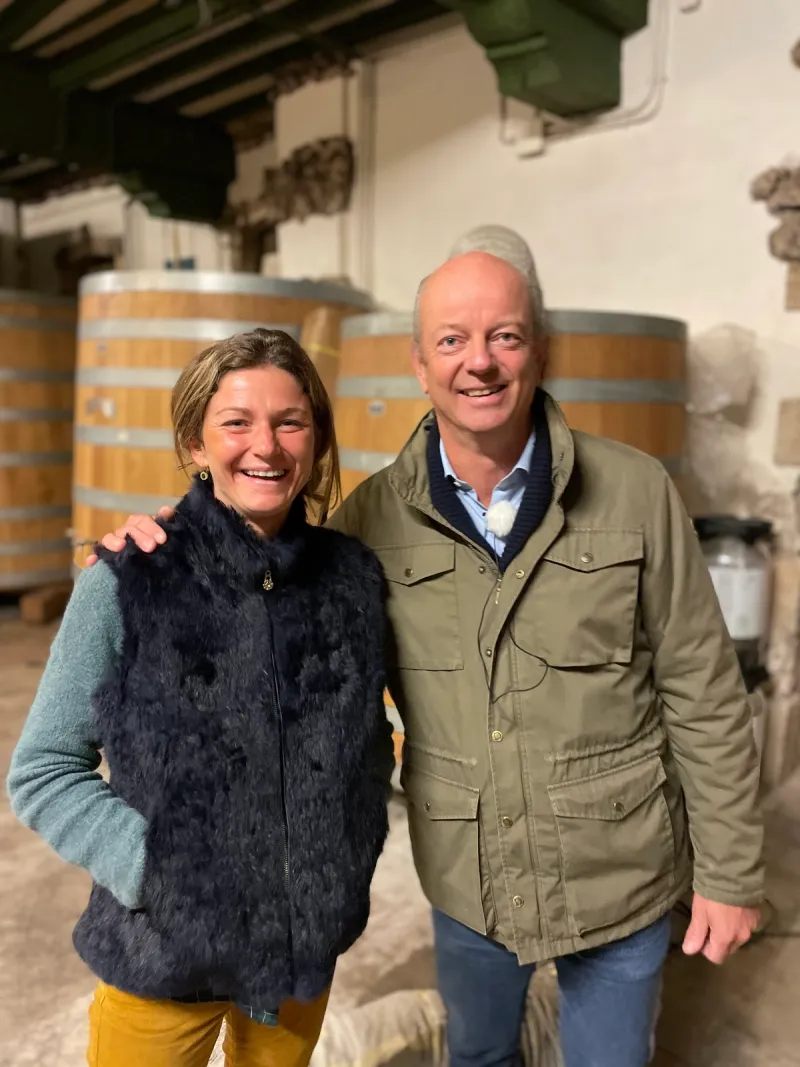
François de Nicolay – Domaine Chandon de Brailles
The Nicolay family has owned Domaine Chandon de Brailles since 1834, with the current custodians the Count and Countess Aymard-Claude de Nicolay.The 13.7 hectare estate is located in the northern reaches of the Côte de Beaune, with vineyards across the villages of Savigny-lès-Beaune, Pernand-Vergelesses and Aloxe-Corton. Since the early 2000s, the estate has been managed by François de Nicolay and his sister Claude. The entire estate converted to biodynamic farming in 2005, receiving certification in 2011. The house style tends towards vibrant, pure wines, fermented with natural yeasts and no use of sulphur, pumpovers, or filtration. François also runs a négoce-based operation under the François de Nicolay label, sourcing grapes from reputable organic and biodynamic vignerons. Domaine des Moriers is another collaboration between François de Nicolay and Arnaud Combier, producing wines from biodynamic vineyards in Morgon, Fleurie and Moulin-a-Vent in Beaujolais.
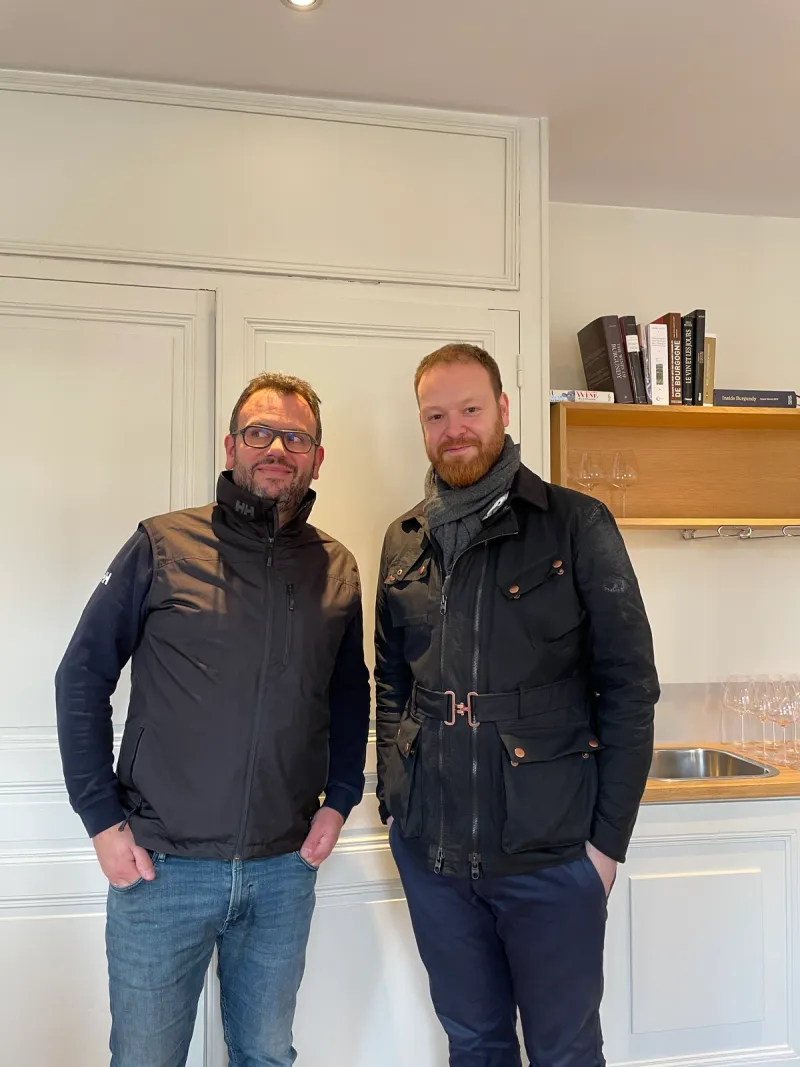
David Croix – Domaine des Croix
A star winemaker who has become one of the most prized winemaking talents in the Côtes de Beaune. Croix, former winemaker to negociant Camille Giroud, was placed in charge of Domaine Duchet (since renamed Domaine des Croix) in 2005 after he and a cohort of investors bought the domaine. His ambition is to raise the reputation of wines from Beaune, which have been criminally under-appreciated (despite 75% of its vineyards being 1er cru), in part due to the large number of negociants in the region. Croix has flipped the script, producing organically-farmed wines with precision and finesse from Corton-Charlemagne, Aloxe-Corton and Corton Grèves to the Beaune premiers crus of Pertuisots, Cent Vignes, Bressandes and Grèves.
Damien Gachot – Domaine Gachot Monot
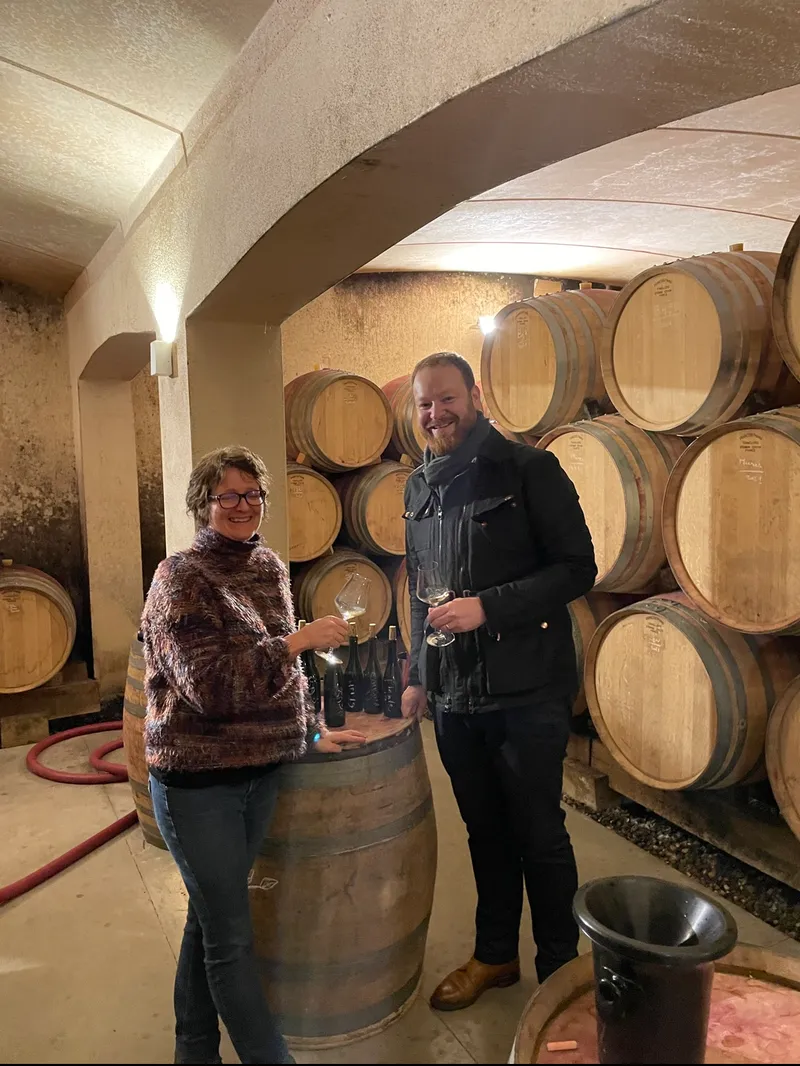
Ourglass Founder Ben Johnson loves Damien Gachot’s wines so much that they were served at his own wedding. High praise indeed. Founded in 1890, Domaine Gachot Monot is based in Corgoloin on the border of the Côte de Nuits and Côte de Beaune. It’s 18 hectares of vineyards are spread across Corgoloin, Comblanchien, Nuits St Georges, Chambolle-Musigny and St Aubin, mostly planted to Pinot Noir. Five generations have tended to its vines, including Marguerite Monot and later her daughter Marie Therese, who with the help of her husband, Jean Pierre Gachot, renovated and replanted its vines. Today the estate is managed by winemaker Damien Gachot and his wife, Liselotte. Known for producing wines of incredible value, Gachot uses techniques like green harvesting (pruning vines early in the season) to produce yields with exquisite balance and flavour due to ideal ripening conditions.
To taste the impact of vintage variation yourself, join the club and explore Burgundy bottles first-hand.
EXPLORE MORE
Check out our France, Italy, Germany and Spain country guides to zoom out to the big picture.