
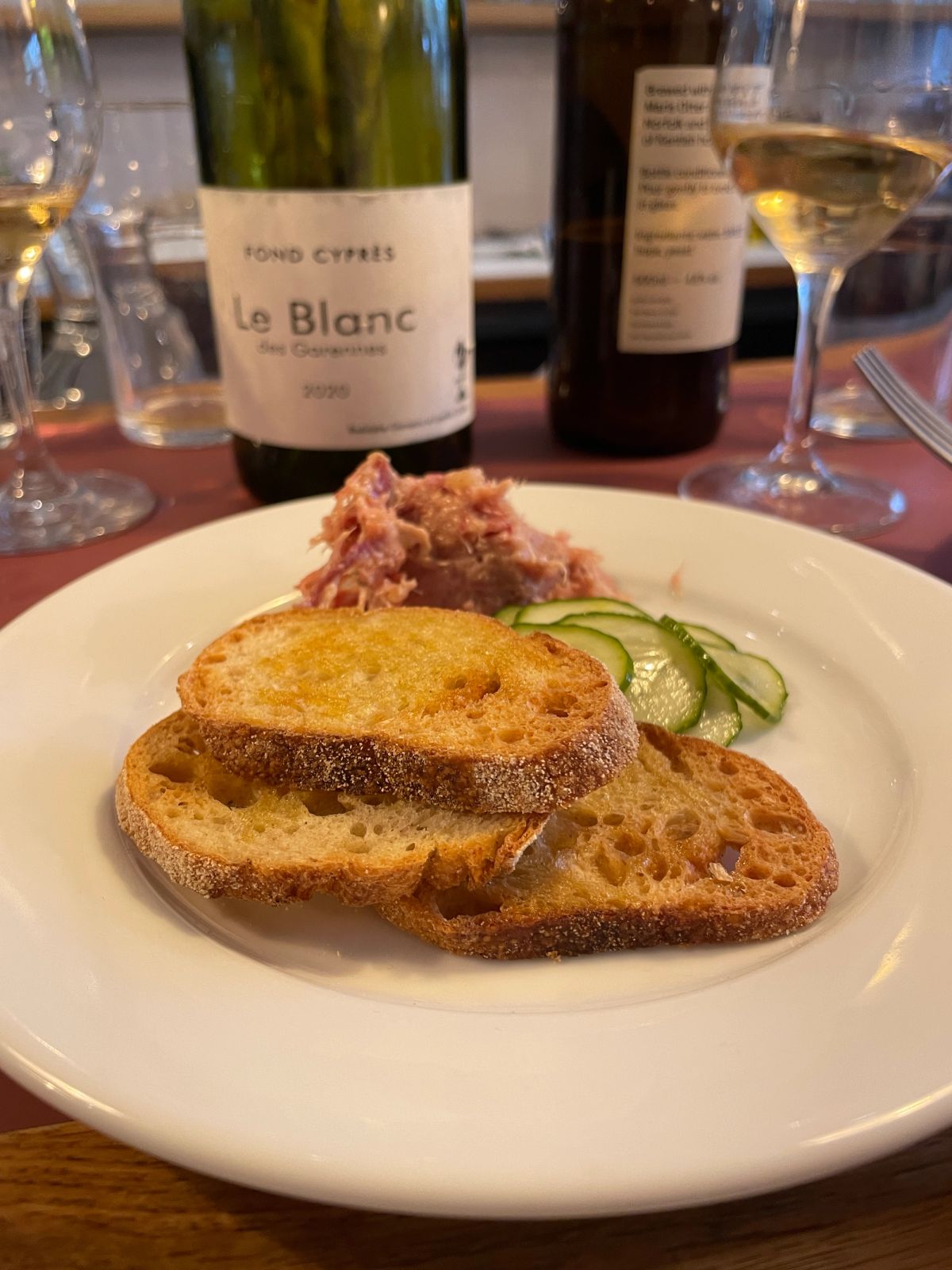
There’s a moment in every wine drinker’s life when they realise they know absolutely nothing about wine. The first sip of something truly magnificent might do it. The disappointment of an overpriced bottle that tastes like regret might also do it. But however you come to it, the conclusion is the same: wine is vast, intimidating, and filled with people who seem to know infinitely more than you.
The trick, of course, is to care just enough but not too much. To learn the rules so you can break them with flair. Wine is not about memorising tasting notes or revering the soil of a vineyard you’ll never visit—it’s about pleasure. Here’s how to get started without the fuss.
1. How to pick a wine without losing your mind
The shelves in a wine shop can feel like a coded language designed to exclude all but the most devout followers. Ignore the noise.
• Find a good seller – The best wine shops – online and in person – employ people who love wine and want to share that love. Talk to them. Tell them what you like. Accept their suggestions.
• Don’t get hung up on price – A more expensive bottle doesn’t always mean a better one. A well-chosen £15 bottle can be far more interesting than a thoughtlessly bought £50 one.
• Explore by grape or region – Start simple: understanding wine styles matters more than memorising every grape variety. Once you find a grape variety you enjoy and follow it around the world. Or pick a region and drink your way through its expressions. The point is to experiment, take notes and build a mental map over time of the places, producers and varieties that excite you.
2. Should you care about ageing?
Most wines are made to be drunk young. Some, however, reward patience with depth and complexity. If you’re curious:
• Storage matters – Keep wine somewhere dark and cool with minimal temperature swings. Cork-sealed bottles should lie down; screw tops can stand.
• Not all wines age well – Do a little research before stashing bottles away. The heartbreak of opening an oxidised, lifeless wine years later is best avoided.
3. To decant or not decant?
Some wines open up beautifully when given a little air. Others don’t need the fuss.
• Decanting is useful for young reds – Big, bold wines with firm tannins often benefit from an hour in a decanter. It softens their edges, like letting a song build to its crescendo.
• Swirling works too – If you can’t be bothered with a decanter, just swirl your glass. Oxygen helps wine unfold, revealing layers you might have missed.
4. The bare minimum kit you need
You don’t need a cellar or a wine fridge, but a few good tools will improve your drinking experience.
• A decent glass – The shape of a glass genuinely makes a difference. A simple, tulip-shaped wine glass works for nearly everything. Read our piece on choosing the right glass here.
• A proper corkscrew – There’s nothing sadder than mangling a cork because your opener is a flimsy tourist souvenir.
• A decanter (if you must) – A carafe, a jug, or anything with a wide base will do. It’s not about the aesthetics, though there are some nice ones out there, it’s about letting the wine breathe.
5. How to taste wine without making a big song and dance about it
There is a way to assess a wine in an effective, non-showy way.
• Look – Hold your glass up to the light. Is it deep and inky? Pale and translucent? These clues tell you about the grape, the age, the intensity.
• Smell – Swirl the glass and take a proper sniff. Fruit, spice, earth, flowers—wine contains multitudes.
• Taste – Take a sip and let it linger. Is it sharp and bright, or rich and round? How long does the flavour last? All of this tells you something, but most importantly, do you like it?
*For a little detail, please read our how to taste article here. Or if you're ready to discover your palate – it's easier than you think – and more fun than wine courses may suggest.
6. Finding what you like (without blindly following trends)
Wine is personal – you don’t have to like what other people like. Wine is communal – an experience shared can often enhance the pleasure.
• Keep a record – Jot down the names of wines you enjoy. Patterns will emerge. Maybe you love wines from volcanic soil. Maybe you hate anything aged in oak.
• Go to tastings – They’re a great way to try new wines without committing to a full bottle. Plus, you can ask the person pouring questions and learn more along the way.
• Join a wine club (if you can be bothered) – A good wine subscription introduces you to new bottles curated to your tastes. A bad one just sends you leftovers they couldn’t sell. Choose wisely.
7. How to pair wine with food (without a degree in chemistry)
Pairing wine and food is part science, part instinct. Don’t overthink it.
• Match weight with weight – Light dishes go with light wines, rich dishes need something bolder. A delicate Muscadet will disappear next to a steak. A heavy Amarone will steamroll a salad.
• Regional pairings work for a reason – If a wine has been drunk alongside a certain cuisine for centuries, there’s usually a good reason for it. Chianti and tomato-based pasta? Magic.
• Break the rules – If you love a combination, drink it. No one’s going to arrest you for pairing Pinot Noir with oysters (even if some will judge you quietly).
*To go a level, read our as wine and food matching guide here and our guide matching cuisines with wine here.
8. The art of starting a wine collection without losing your shirt
You don’t need a cellar or an investment portfolio, just a few bottles you love.
• Start with what you enjoy – Buy a few bottles you know you’ll drink. Then buy a few more to explore something new.
• Keep it varied – Some reds, some whites, a sparkling or two. A wine for every occasion means you’ll always have something on hand.
9. Learn, but don’t drown in details
You can spend a lifetime learning about wine, but it should always be about enjoyment.
• Read if you want to – Some books are fascinating, others are just long-winded lists of tasting notes. The Wine Bible is a good start.
• Take a course if you’re keen – A WSET course or a local tasting class can sharpen your palate and boost your confidence.
• Follow people you trust – Find a writer, shop, or Instagram account whose recommendations align with your tastes. It’s the fastest way to learn.
10. Drink what you love, and ignore the bores
At the end of the day, wine is about pleasure.
• Stay curious – The more you drink, the more you’ll discover.
• Drink with friends – Wine is best shared.
• Trust yourself – If you love it, it’s a good wine.
Wine should never feel like homework. It should be like a long, leisurely lunch – a bottle emptied in good company, with plenty of conversation and no rush to the end. Cheers to that.
THIRSTY FOR MORE?
Want to continue without the fuss? Explore a wine club that does the hard work while you do the enjoyable bit