

Wine tasting is a skill, not a gift.
It follows a simple five-step method: See, Swirl, Smell, Sip, Savour. Master this framework and you’ll unlock more pleasure from every bottle, choose better wines with confidence, and never feel lost at a wine list again.
This guide teaches the exact method used by sommeliers and wine professionals – adapted for anyone who wants to get more from their glass.
THE 5 STEP FRAMEWORK – SEE, SWIRL, SMELL, SIP, SAVOUR
Every wine professional uses a version of this method. It takes two minutes and transforms how you experience wine.
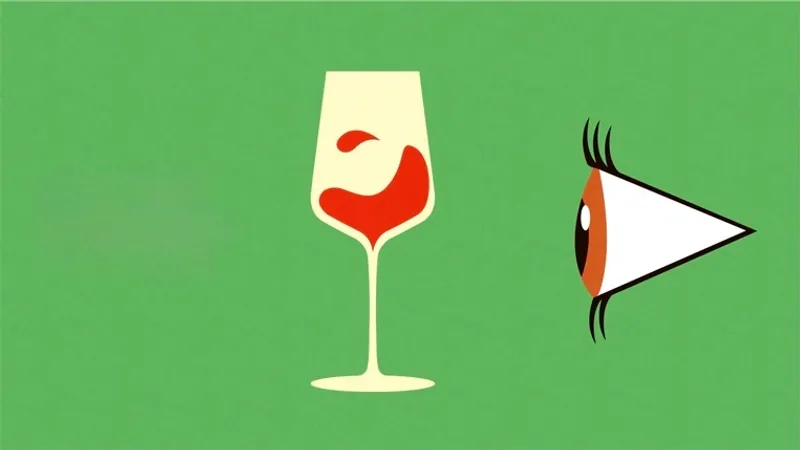
1. SEE – CHECK THE COLOUR
Hold your glass against a white background – a napkin, tablecloth, or sheet of paper works perfectly.
What to look for:
Purple/ruby = younger red wine
Brick/orange at the rim = aged red wine
Pale straw = lighter white wine
Deep gold = richer or aged white wine
Clarity = a hazy wine may be unfiltered (often intentional) or faulty (rare)
The colour tells you what to expect before you smell or taste anything. A deep purple Malbec will behave differently from a translucent Pinot Noir. Understanding the differences between red, white, and rosé wines helps you calibrate expectations before you even swirl.
2. SWIRL – WAKE THE WINE UP
Give your glass a gentle swirl – keeping the base on the table makes this easier.
Swirling introduces oxygen, which releases aromatic compounds trapped in the liquid. Think of it as turning the volume up on the wine’s personality.
Tip: Watch the “legs” or “tears” that run down the glass after swirling. Thick, slow legs indicate higher alcohol or residual sugar. This isn’t a quality indicator – just information.
3. SMELL – FIND YOUR FLAVOURS
This is where wine gets interesting. Your nose detects far more nuance than your tongue ever will.
How to smell properly:
- Hold the glass an inch from your nose
- Breathe in gently through both nose and mouth
- Don’t shove your nose into the glass – the alcohol will overwhelm you
What you’re looking for:
- Fruit – citrus, berries, stone fruit, tropical
- Earth – soil, mushroom, forest floor
- Oak – vanilla, toast, cedar, smoke
- Floral – blossom, rose, violet
- Spice – pepper, clove, liquorice
You’re also checking the wine isn’t faulty. A musty, wet cardboard smell indicates cork taint. A sharp, vinegar-like smell suggests the wine has oxidised.
The secret: Smell in short sniffs rather than one long inhale. Your nose adapts quickly, so brief breaks help you catch more.
4. SIP – ASSESS THE STRUCTURE
Take a proper mouthful – not a tiny sip – and let it coat your entire mouth.
You’re evaluating four elements:
Element → What It Feels Like → Where You Sense It
- Acidity → Freshness, makes you salivate → Sides of tongue
- Tannin → Dryness, grip, like cold tea → Gums and roof of mouth
- Alcohol → Warmth, heat → Back of throat
- Sweetness → Obvious sweetness or ripe fruit → Tip of tongue
The balance question: Do these elements work together or fight each other? Great wine feels harmonious. Lesser wine feels disjointed – too acidic, too tannic, too hot. This balance also determines how well a wine pairs with food.
Tip: Try breathing in slightly while the wine is in your mouth. This aerates the wine and amplifies the flavours.
5. SAVOUR – JUDGE THE FINISH
Swallow (or spit, if you’re tasting several wines) and pay attention to what happens next.
The finish tells you about quality:
- Long finish (flavours linger 10+ seconds) = typically higher quality
- Short finish (flavours disappear immediately) = typically simpler wine
- Evolving finish (flavours change and develop) = typically complex, well-made wine
- The only question that matters: Do you want another sip?
Trust your palate. If you enjoy it, it’s good wine – for you.
The only goal of tasting wine is to notice one thing more than you did last time. That’s it. Progress, not perfection.
THE RIGHT GLASS MAKES THE DIFFERENCE
You don’t need a cupboard full of specialist glasses, but the right shape genuinely affects what you taste.
What to look for:
- A bowl wide enough to swirl without spilling
- A rim that tapers inward to focus aromas
- Thin glass (thick rims dull the experience)
- A stem (keeps your hand from warming the wine)
Our recommendations:
- All-rounder: Riedel Restaurant or Vinum Cabernet Sauvignon – works for most reds and whites
- Premium option: Zalto Universal – exceptional clarity, works across all styles
Want to learn more? Read our guide to choosing the right glassware.
COMMON MISTAKES (AND HOW TO AVOID THEM)
Serving wine too warm or too cold
Reds are often served too warm. Aim for 16–18°C, not room temperature. Whites are often served too cold. Straight from the fridge mutes the flavours. Let it warm for 10 minutes.
Nosing too aggressively
Jamming your nose into the glass floods your senses with alcohol. Keep some distance.
Rushing the process
Wine changes in the glass. What seems closed or simple on first sip may open up beautifully after five minutes.
Ignoring wines you think you won’t like
The best way to develop your palate is to taste widely, including styles outside your comfort zone.
Confusing price with quality
Expensive wines aren’t always better. Your palate is the judge, not the price tag.
WHY THIS MATTERS – THE TASTE CONFIDENCE TEST
Taste confidence is built, not bought
Learning to taste wine properly isn’t about becoming a snob. It’s about three practical outcomes:
- You’ll enjoy wine more. Paying attention multiplies pleasure. The same bottle becomes more interesting.
- You’ll choose better. Understanding what you’re tasting helps you identify what you like – and find more of it.
- You’ll never feel stupid about wine again. The sommelier, the wine list, the shop shelf – none of it intimidates you when you know what you’re doing.
This is taste confidence. It’s a skill that pays back for life. Explore more in Taste Decoded, our collection of guides designed to build your wine knowledge systematically.
BUILD YOUR PALATE – COMPARE AND REMEMBER
Tasting one wine teaches you something. Tasting two wines side by side teaches you ten times more.
Try this:
- Same grape, different regions (Pinot Noir from Burgundy vs. USA)
- Same region, different producers (two Barolos)
- Same producer, different vintages
Comparison builds your mental library. Over time, you’ll recognise styles, regions, and quality levels instinctively.
Keep notes. Even a few words – “loved it, blackberry, smooth, would buy again” – helps cement your memory. Your palate develops fastest when you pay attention. For a deeper dive, see our guide on how to develop your palate.
REFERENCE – THE 5 STEPS
Step → Action → Time
- See → Check colour against white background → 5 seconds
- Swirl → Gentle rotation to release aromas → 5 seconds
- Smell → Short sniffs, glass held back → 15 seconds
- Sip → Full mouthful, coat entire mouth → 10 seconds
- Savour → Notice the finish, judge the balance → 10 seconds
Total time: Under one minute. That’s all it takes to taste like a professional.
PUT YOUR SKILLS TO WORK
The fastest way to develop your palate is deliberate practice with wines chosen to teach you something.
Ourglass wine subscriptions are designed exactly for this. Each monthly delivery includes:
- 2–6 bottles selected to develop your tasting skills
- Detailed notes explaining what makes each wine distinctive
- Video guides walking you through what to look for
- A progression that builds your knowledge systematically
Think of it as a tasting curriculum delivered to your door.
Most members notice increased confidence within three months. By twelve months, you’ll navigate any wine list with ease.
FREQUENTLY ASKED QUESTIONS
How long does it take to develop a good palate?
Most people notice a significant improvement within 2–3 months of regular, attentive tasting. You don’t need to taste constantly – once or twice a week with focus beats daily drinking without attention.
Do I need to spit when tasting?
Only if you’re tasting many wines and need to stay sharp. For casual tasting at home, swallowing is fine and lets you assess the finish properly.
What if I can’t identify specific flavours?
That’s normal. Start broad – is it fruity or earthy? Light or heavy? Pleasant or unpleasant? The specific descriptors (blackcurrant, tobacco, wet stone) come with practice. Don’t force it.
Is expensive wine always better?
No. Price reflects rarity, production costs, and brand positioning – not just quality. Many exceptional wines cost under £20. Many overpriced wines disappoint. Your palate is the final judge.
What’s the best wine for learning to taste?
Wines with clear, pronounced characteristics teach fastest. Try Marlborough Sauvignon Blanc for unmistakable aromatics, Argentinian Malbec for bold, fruit-forward reds, or Chablis for pure, mineral-driven white Burgundy. Avoid very complex or subtle wines when starting out. Build foundations first.
Can anyone learn to taste wine well?
Yes. Barring rare medical conditions affecting smell or taste, everyone can develop a capable palate. Taste confidence is a skill like any other – practice and attention are all you need. If you’re just starting out, our beginner’s guide to wine covers the foundations.
THE WRAP
Wine tasting follows a learnable method: See, Swirl, Smell, Sip, Savour.
Master this framework and you’ll:
- Extract more pleasure from every bottle
- Choose wines with confidence
- Never feel intimidated by wine again
The difference between confusion and confidence is simply knowing what to pay attention to.
Now you know.