
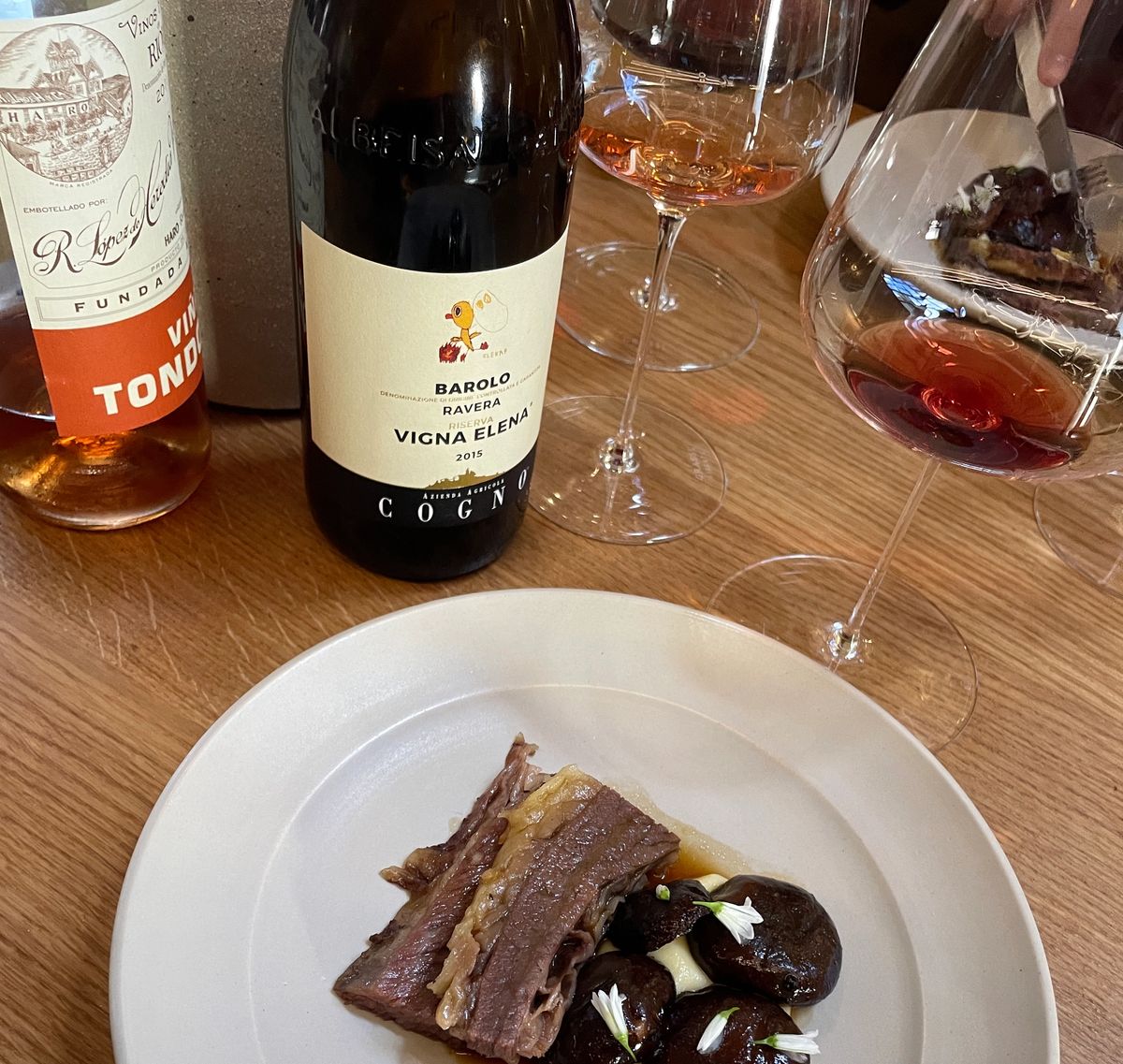
How to Match Wine and Food: Principles & Practice
Pairing wine with food can feel intimidating, but it doesn’t need to be overly complicated. While the concept of “perfect pairings” or wine combinations is often overhyped, understanding the basic principles of wine and food matching can significantly enhance your dining experience. Whether you’re a casual wine enthusiast or a seasoned connoisseur, these tips and suggestions will help you pair with confidence.
GENERAL PRINCIPLES OF WINE AND FOOD PAIRING
Instead of fixating on finding the ideal match, focus on the weight and texture of both the food and the wine. For example, a light, delicate dish pairs well with a similarly light wine, while a rich, hearty meal benefits from a full-bodied wine.
LIGHT FOODS WITH WINE
Delicate dishes like burrata, fresh mozzarella, poached white fish, or omelettes pair wonderfully with light wines. Consider options like Vermentino, Chablis, Sauvignon Blanc, rosé, or a light red such as Pinot Noir, Cinsault, or Beaujolais.
RICH FOODS WITH WINE
For bolder dishes like pork belly, hamburgers, or venison, choose a wine with depth and structure. Rich reds like Grenache, Syrah, or Mourvèdre offer the body and intensity to complement these flavours.
WINE WITH FOOD MATCHING TRICKS OF THE TRADE
Certain wine styles and food combinations naturally complement each other. Use these tricks to enhance your pairing experience:
• Tannic reds: High-tannin reds can taste smoother when paired with chewy foods like steak or roast red meat, which soften their structure.
• Spicy foods: Aromatic, full-bodied whites like Gewürztraminer or Riesling are fantastic with spicy dishes, particularly those with Thai influences.
• Sweet dishes: Ensure the wine is sweeter than the dessert to avoid the wine tasting thin or tart. Sweet wines like Pedro Ximénez (PX), Sauternes, Rutherglen Muscat, or ruby port work well.
• Tricky ingredients: Artichokes are notorious for making wine taste metallic, so pair them with inexpensive or neutral wines.
NB:
Understanding flavour components helps create successful pairings, so use our flavour wheel to identify complementary flavour profiles between wines and dishes.
For specific recommendations across different cuisines, explore pairing suggestions for specific cuisines from traditional to modern interpretations.
To take a walk on the vinous wild side, check out Decanter's Lauren Ead's piece demystifying wine and food matching (spoiler – she goes beyond the obvious pairs).
COMMON MISTAKES EVERYONE MAKES WITH WINE AND FOOD PAIRING
It's not as difficult as you'd think to find the right wine and food pairing. There are some common pitfalls, however, when exploring the world of wine with food matching. By understanding these, you can elevate your dining experience and impress your guests with exceptional wine combination. Here’s what to keep in mind when planning wine and pairing adventures:
1. Temperature matters – serving wine and pairing correctly
Wine shows its best at the right temperature. General guidelines for wine and food pairing: 40-45°F for sparkling wine, 45-55°F for whites and rosés, and 50-65°F for reds. Aim for the lower end for lighter-bodied wines and the higher end for full-bodied ones. The proper serving temperature is key in the success of wine and food matching.
2. Matching intensity – a key to wine with food matching
Pairing a bold wine like Cabernet Sauvignon or Syrah with delicate dishes like white fish is a common wine and pairing error. Save those robust wines for hearty fare, rich meat sauces, and grilled or smoked meats. The same principle applies to cheese. Strong cheeses need robust wines – think Stilton and port. For the best wine and cheese pairing, consider the intensity of both elements. If pesto chicken with asparagus is on the menu, choose a lighter wine like Sauvignon Blanc for the perfect wine with food matching.
3. Avoiding the heat – high alcohol content and spicy food pairing
High-alcohol wines and spicy food are often a bad wine and food pairing choice. The boozier your beverage, the spicier your dish will taste. To avoid discomfort, opt for off-dry (slightly sweet) wines under 12% ABV when you're enjoying chili peppers or other fiery dishes. This small change in your wine combination will make a huge difference!
4. Balancing acids in your wine and food pairing
Acid pairs well with acid. Tomato sauces, vinegar dressings, and lemon-heavy dishes all require a high-acid wine. A low-acid wine pairing will fall flat. Acid is often a winning element in successful wine and food pairings. Even creamy dishes benefit from a bright pop of acidity in your wine to refresh the palate. Seek out wines from cooler regions for optimal acidity in your wine combination.
5. Variety is key – exploring different wine pairings
Many dishes have several complementary wine pairings. Cabernet Sauvignon pairs well with steak, but so do Merlot, Malbec, Tannat, Carménère, and Zinfandel. Don’t limit yourself to one grape variety for a certain dish; explore different wine combinations to discover your preference.
6. Trust your taste buds – the ultimate wine and pairing guide
There are general suggestions for wine and food pairing, but if you dislike a certain wine style, don't feel obligated to follow them. If you discover an unorthodox wine combination you love, embrace it!
7. Check for flaws – ensuring a quality wine combination
Before serving wine to friends and family, give it a sniff to ensure it’s flaw-free. Check for cork taint (wet cardboard aromas) or other common flaws. This step is crucial before embarking on your wine and pairing experience.
8. Stepping outside your comfort zone – exploring wine with food matching
Don’t be afraid to try new styles, grape varieties, and wines from lesser-known regions. Your new favorite wine and food pairing might be just a sip away! Explore different wine combinations and discover what delights your taste buds. Everyone’s palate is unique, so experimentation is key to finding the perfect wine and pairing that resonates with you.
9. Sweet endings – dessert and wine combination considerations
When it’s time for dessert, ensure your wine has a higher sugar content than what’s on your plate. As a general rule for wine combination, avoid serving Champagne with sweets. If you're set on bubbles, choose an off-dry sparkling wine (look for "sec," "demi-sec," or "doux" on the label). An off-dry Prosecco also works well with fruit desserts, or Brachetto d’Acqui if you’re indulging in chocolate for a fantastic wine and pairing experience.
WINE AND FOOD MATCHING BY COURSE
While pairings aren’t an exact science, there are some tried-and-tested combinations that can guide you:
FIRST COURSE
• Asparagus: Dry German or Alsace whites
• Ceviche: Tangy Sauvignon Blanc
• Charcuterie: Cru Beaujolais, Chianti Classico, or Valpolicella
• Chicken Liver Parfait: Alsace white, Pinot Gris, or Vouvray
• Consommé: Dry sherry or madeira
• Crab: Full-bodied whites from Burgundy or Bordeaux
• Oysters: Champagne, Chablis, or Muscadet
• Salads: Whites with acidity, such as Sauvignon Blanc
• Sushi and Sashimi: Sake or champagne
• Terrines: Light reds like Cabernet Franc or Pinot Noir
MAIN COURSE
• Aioli: Dry Provençal rosé
• Barbecued Meats: Smoky reds like Shiraz or South African Pinotage
• Burger: Fruity young reds like Merlot
• Chicken: Light reds or full-bodied whites
• Fish: Grilled or poached white fish pairs well with German Riesling, while richer sauces call for fuller whites like Loire Chenin Blanc
• Pasta: Italian reds like Chianti or Valpolicella
• Pizza: Simple, easy-drinking wines of any colour
• Steaks and Chops: Young reds with tannins, like Bordeaux or Ribera del Duero
• Truffles: Piemontese reds like Barbera or Nebbiolo
CHEESE
• Blue Cheeses: Sweet whites like Sauternes
• Hard Cheeses: Mature reds like Bordeaux or vintage port
• Washed-Rind Cheeses: Fruity whites like Jurançon or Vouvray
DESSERT
• Chocolate: Sweet, strong wines like PX sherry or Madeira
• Fruit-Based Desserts: Sweet Loire whites or Italian Recioto di Soave
• Ice Cream: Light, fresh wines like Moscato
• Patisserie: Any wine sweeter than the dessert itself
THE TAKEAWAY
While wine and food pairing isn’t a strict formula, understanding these principles can transform an ordinary meal into an extraordinary one. For a seamless experience, consider experimenting with different wines through a wine subscription that introduces you to diverse varietals and styles. After all, the best pairing is the one you enjoy most – so sip, savour, and discover your perfect match.
GAME, SET AND MATCHED?
Eager to put these principles into practice? Master the art of pairing with thoughtfully selected wines from our curated collections. It's like that film buff friend who always knows which films would make the perfect double feature – non-obvious connections that create a more satisfying overall experience.