
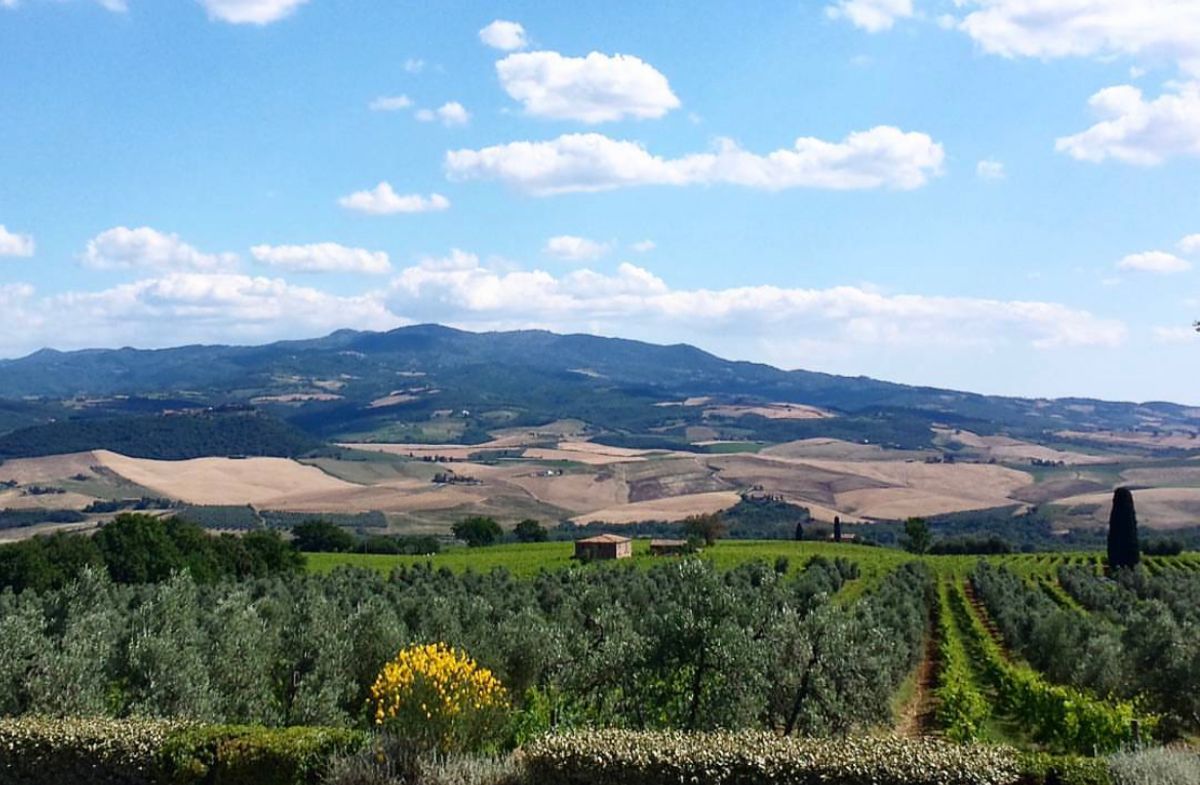
Italian Wine Regions | The Complete Guide
Italy doesn't make any old wine. It makes wine that even the French sit up and take notice. From Barolo's brooding power in Piedmont to the volcanic surprises of Sicily, Italian wine regions produce bottles that rewrite what you think you know about wine. This isn't your nonna's Chianti guide - we're diving into the wines that serious collectors hunt for and sommeliers hoard. Here's why Italian wine regions matter: while Burgundy gets the headlines, Italy quietly produces more styles, from more indigenous grapes, across more diverse terroir than anywhere else on earth. The result? Wines with personality that make New World offerings look polite.
Italy's wine regions produce some of the world's most distinctive bottles, but navigating Italian wine can feel overwhelming. From Piedmont's structured Barolos to Sicily's volcanic wines, each Italian wine region offers unique styles shaped by local grape varieties and ancient traditions. This guide helps you understand what makes each region special.
Ourglass navigates Italy's diverse wine landscape with expertise and enthusiasm. Italy makes some of the most popular wines in the world, boasts more indigenous varieties than anywhere else, and consistently ranks as the world's largest wine producer alongside France. This vast wine production encompasses every region of Italy, from the Alpine peaks of Trentino Alto Adige to the sun-baked shores of Sicily.
Understanding Italian wine regions means recognising how geography shapes taste. Northern Italian wine regions like Piedmont and Veneto specialise in elegant red wines and crisp white wine, while central regions including Tuscany balance tradition with innovation. Southern Italian wine regions from Campania to Sicily are experiencing a quality renaissance, producing wines that showcase Mediterranean terroir.
In contrast to France, where a few great regions and varieties make navigation easier, Italy presents a unique patchwork of grape variety, towns, regions, and winemaking processes that demand understanding on their own terms. Italy is complex, but like the most demanding literature or music, the effort pays dividends in spectacular Italian wine discoveries.
Of all the different wine regions of Italy, some areas have achieved international success through historic associations, quality wine production, and astute marketing. Despite Italy lacking France's fine wine heritage in some quarters, it produces distinctively interesting and delicious flavours. You could argue it's the most exciting winemaking nation, with each region of Italy developing its own personality and signature grape variety.
Classification remains complex, with DOC (Denominazione di Origine Controllata) equivalent to France's AOC system, DOCG adding guaranteed control, and IGT (Indicazione Geografica Tipica) providing regional flexibility for innovative wine producer ventures.
As you explore Italian wine, you'll train your palate to discern the differences that make each region, appellation, and variety unique.
NB: As you explore Italian wines, you'll train your palate to discern the differences that make each region, appellation, and variety unique.
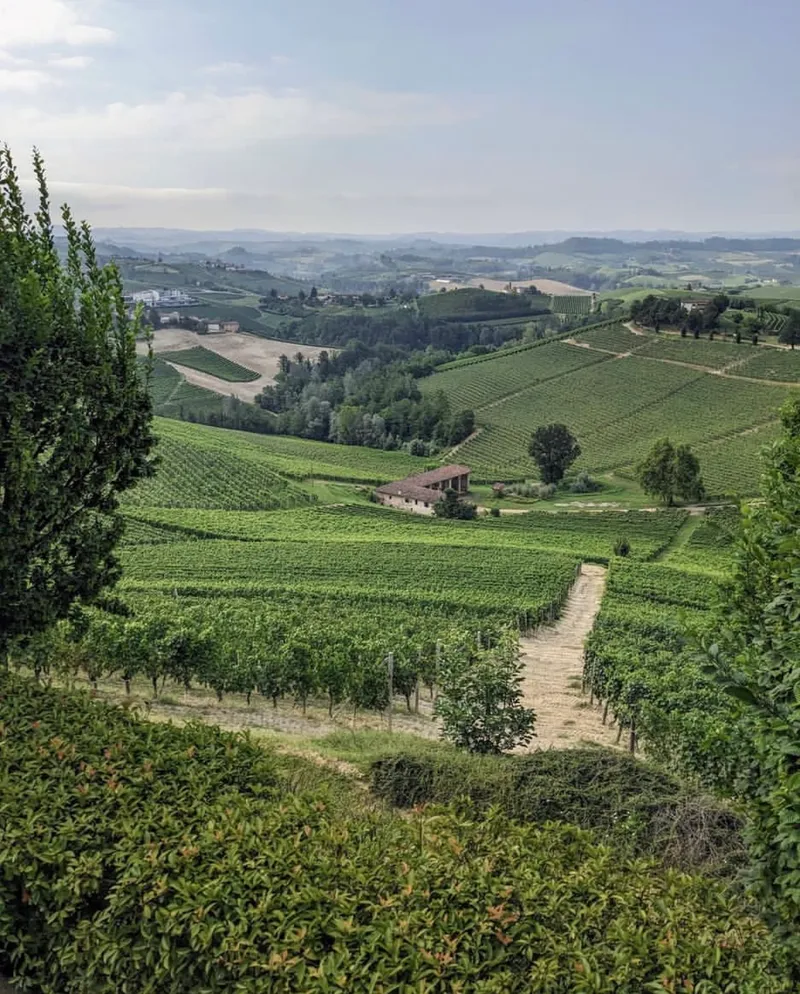
Photograph: Elvio Cogno
PIEMONTE
Red: Nebbiolo, Barbera, Dolcetto
White: Cortese, Muscat Moscato
Piedmont stands as Italy's most prestigious red wine region, producing structured, age-worthy wines from the noble Nebbiolo grape variety. This landlocked region in northwestern Italy, with Turin as its capital, represents one of the world's epicurean centres, offering the renowned 'Slow Food' movement alongside world-class red wines.
Nebbiolo from the Langhe hills creates Italy's vinous royalty: Barolo and Barbaresco. These red wines express specific vineyard character with remarkable precision, rivalling Burgundy's site-specific approach. Barbera, often aged in oak, and Dolcetto provide more approachable entry points into Piedmontese wine culture. The region also produces Moscato d'Asti, a delicate sparkling wine that predates modern commoditisation.
Key producers:
Serafino Rivella draws strength from Montestefano’s calcareous core, where elegance meets unwavering structure. The Barbaresco Montestefano speaks with both power and poetry, built for the long haul.
Gaja remains a beacon of Angelo’s visionary brilliance, shaping not just Barbaresco but the entire Langhe. His entry-level Barbaresco offers a gateway, while Sorì Tildin and Sorì San Lorenzo, commanding several hundred pounds, are among Italy’s most coveted wines.
Roagna sees young Luca breathe new life into ancestral tradition. Unconcerned with fleeting trends, his wines seek depth through time-honoured methods. Pajè flows like silk; Asili stands with steely resolve.
Produttori del Barbaresco proves the power of collective effort under Aldo Vacca’s steady leadership. This growers’ cooperative crafts world-class wines at refreshingly modest prices. Even their esteemed crus – Asili, Montestefano, and Rabajà – rarely exceed £100.
Cascina Roccalini tells the story of Paolo Veglio’s bold decision to keep the grapes his family once sold. His Nebbiolo is both whisper and roar – aromatic, graceful, and true. Seek his Barbaresco, Riserva, or Langhe Nebbiolo before word spreads.
Sottimano sees Andrea merge Burgundian finesse with Barbaresco’s soul. His elegant wines favour nuance over brute power, with judicious oak use rewarding patience. Among his crus, Cottà, Currà, and Pajoré stand out.
TUSCANY
Red: Sangiovese, Cabernet Sauvignon
White: Trebbiano Toscano
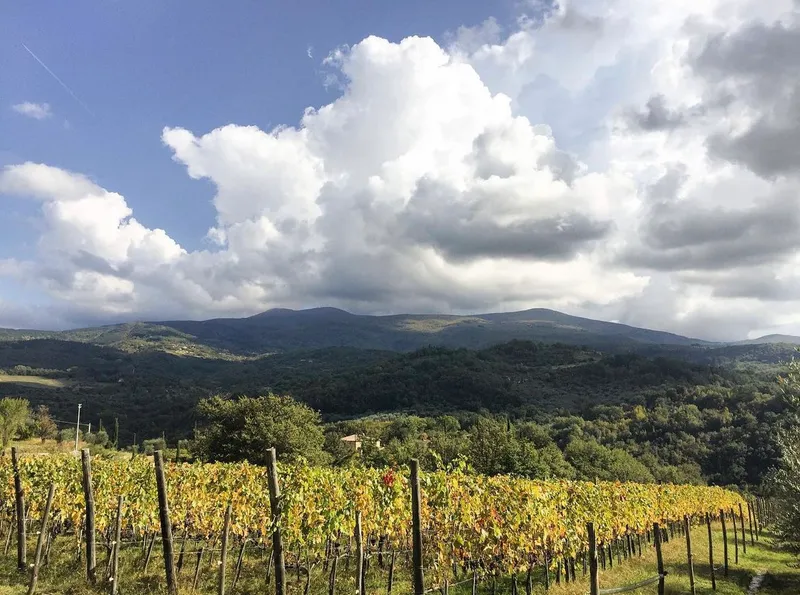
Tuscany delivers both Italy's most recognisable wines and its most innovative. This central region of Italy balances ancient Sangiovese traditions with international grape variety experimentation that created the Super Tuscan phenomenon.
Chianti, produced across cypress-dotted slopes south of Florence, centres on the Chianti Classico zone - Italy's original quality heartland before commercial expansion. The grape variety is predominantly Sangiovese, offering medium-bodied red wines with distinctive sour cherry character, Mediterranean herbs like oregano and thyme, and tannic freshness perfect for food pairing.
Montalcino, a hilltop town in southern Tuscany, produces two essential wines: Rosso di Montalcino and Brunello di Montalcino. Both showcase 100% Sangiovese, with Brunello offering richer, earthier character whilst Rosso provides lighter, fruitier appeal. This distinction makes Rosso the perfect 'Tuesday night' wine to Brunello's more serious 'Saturday night' profile.
Super Tuscan wines, made from international Bordeaux varietals including Cabernet Sauvignon, Merlot, and Syrah since the 1960s, revolutionised Italian wine production. These wines proved that Italian wine could compete globally using non-traditional grape varieties. Inspired by Sassicaia's success, savvy producers around Bolgheri craft Bordeaux-style blends appealing to wealthy, international consumers.
White wine production focuses on Trebbiano Toscano, equivalent to France's Ugni Blanc, alongside the complex dessert wine Vin Santo made from dried Malvasia grapes.
Key producers:
MONTALCINO
Le Ragnaie captures altitude’s magic. Riccardo Campinoti’s vineyards reach Montalcino’s highest points before descending to warmer slopes, crafting wines of contrast and complexity. Fornace leads the Brunello line-up, while his Rosso di Montalcino, an outstanding value under £30, offers an early glimpse of Sangiovese’s beauty.
Pian dell’Orino sees Jan Hendrik Erbach and Caroline Pobitzer approach winemaking with meticulous dedication. Their Brunello recalls a more refined era, where elegance trumped sheer power.
Stella di Campalta demonstrates that warmth need not mean excess. In Castelnuovo dell’Abate, biodynamic vines on untouched soil produce wines of quiet grace, eschewing extraction for a gentler touch.
Salvioni works magic from Montalcino’s heart. At 1,310 feet, their southeast-facing galestro-rich vineyards yield traditionally aged wines, resting in massive Slavonian oak casks. These bottles capture perfume in its purest form – silken yet steadfast.
Il Paradiso di Manfredi carries the legacy of Biondi Santi through Manfredi Martini, a former disciple who established this intimate domaine in the 1950s. The next generation remains devoted to purity and tradition.
CHIANTI CLASSICO
Badia a Coltibuono sees Roberto Stucchi orchestrate one of Italy’s finest symphonies. His mastery begins with the vineyard – meticulous genetic selection ensuring precision. Clay-limestone soils provide the stage where Sangiovese leads in Sangioveto, while Chianti Classico and Riserva blend native varieties, aged in large casks.
Montevertine was born from Sergio Manetti’s 1967 vision. By 1971, it already whispered of greatness. Under Giulio Gambelli’s guidance, Sangiovese found its truest expression, supported by subtle notes of Colorino and Canaiolo in Montevertine and Pian del Ciampolo. The pure Sangiovese Le Pergole Torte, wrapped in striking labels, remains an icon.
Poggerino sees Piero Lanza favour vineyard work over industry politics. His Sangiovese speaks quietly but profoundly, standing among Italy’s most honest expressions.
Isole e Olena united two estates under De Marchi stewardship in the 1950s. Paolo’s arrival in 1976 ignited a revolution in both vineyard and cellar. Cepparello, a barrique-aged Sangiovese, is the house’s defining expression.
Castell’in Villa has remained steadfastly traditional since the late 1960s. Principessa Coralia Pignatelli della Leonessa has never wavered, producing Chianti Classico, Riserva, and the single-vineyard Poggio delle Rose as pure, age-worthy testaments to Sangiovese’s greatness.
SICILY
Red: Nero d'Avola, Nerello, Corvina, Rondinella, Molinara
White: Garganega, Glera
Sicily represents one of Europe's most exciting wine transformations. This largest Mediterranean island, historically contested by Greeks, Romans, Arabs, and Normans, spent decades producing bulk wine before quality-focused producers recognised its potential in the 1990s.
Western Sicily centres on Nero d'Avola, the island's signature red grape variety offering sweet cherry fruit character, and Catarratto, providing citrus and tropical fruit profiles in white wine. These varieties thrive in the warm Mediterranean climate whilst maintaining refreshing acidity.
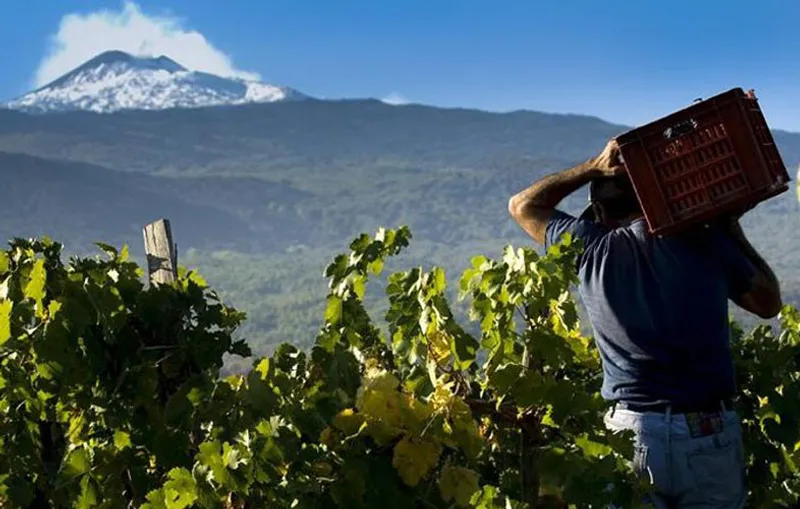
Eastern Sicily's volcanic Etna region produces entirely different wines. Here, Nerello Mascalese – Pinot Noir's wilder aromatic sibling – creates light, pure, complex red wines capable of lengthy ageing. The volcanic soils impart distinctive mineral character whilst altitude moderates the heat. Etna's unique microclimate, with snowy peaks and tropical valleys, produces wines of remarkable complexity.
Etna white wine, primarily from Carricante, offers fresh, saline character with subtle sweetness – a direct expression of volcanic terroir.
VENETO
Red: Corvina, Rondinella, Molinara
White: Garganega, Glera
Veneto, centred around Venice, combines ancient winemaking traditions with modern commercial success. This northeastern region of Italy produces everything from the world's most popular sparkling wine to Italy's most concentrated red wines.
Prosecco dominates global attention, originally made from the Prosecco grape variety but now crafted from Glera to maintain regional exclusivity. This sparkling wine phenomenon has transformed Veneto's international profile whilst generating enormous economic success.
The region's red wine crown jewel remains Amarone della Valpolicella, produced through the ancient appassimento process where Corvina, Rondinella, and Molinara grapes are dried for months before fermentation. This labour-intensive technique concentrates flavours and sugars, creating powerful, complex red wines capable of decades of ageing. Valpolicella and Valpolicella Ripasso offer more accessible expressions of these same grape varieties.
Soave, crafted primarily from Garganega white grapes, rewards selective purchasing with its mineral-driven character and surprising ageing potential. Quality varies significantly, making producer knowledge essential.
ETNA
Benanti ignited Etna’s renaissance and remains one of its guiding lights. Their Etna Rosso balances vibrant red fruit against crisp acidity and refined tannins, while Pietramarina stands as a monument to Italy’s finest white wines, as salty and mineral as the volcano itself.
I Vigneri carries Salvo Foti’s unwavering commitment to tradition. Here, nature dictates – copper and sulphur in the vineyard, native yeasts in the cellar, and temperature control left to the elements. Ancient, hand-tended vines cling to vertiginous slopes, yielding wines that echo Etna’s soul.
Terre Nere sees Marco di Grazia’s northern Etna vineyards gain stature each year. His Etna Rosso offers reliable quality at fair prices, while single-contrada wines – San Lorenzo and Calderara Sottana - interweave fruit, earth, and mineral in an ethereal dance.
Graci captures Etna’s intensity. A relative newcomer, Alberto Graci’s wines from the mountain’s north face exhibit impressive power without excess. His rosé delights, while a recent partnership with Angelo Gaja promises an exciting future.
Passopisciaro proves Andrea Franchetti was ahead of the curve in recognising Etna’s potential. His wines remain some of the most articulate expressions of the region, particularly his single-contrada series –Guardiola, Rampante, and Porcaria. Meanwhile, his entry-level Passorosso offers volcanic character at a grounded price.
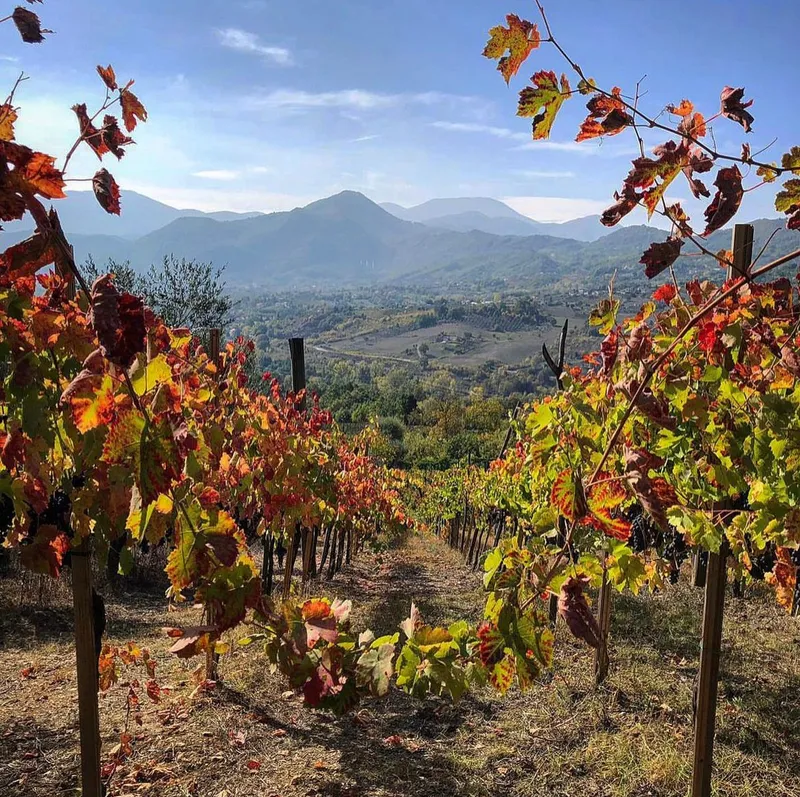
Photograph: Ognostro
CAMPANIA
Red: Aglianico
White: Fiano, Falanghina, Greco
Campanian vineyards predate Roman civilisation, making this southern Italy region one of Europe's oldest wine-producing areas. The volcanic soils around Naples provide ideal conditions for indigenous grape varieties that produce wines of remarkable character and ageing potential.
Aglianico stands as southern Italy's noble red grape variety, producing richly flavoured, tannic, plummy wines with distinctive mineral character. These red wines rival northern Italy's finest for complexity and longevity.
The white grapes Fiano, Falanghina, and Greco each offer distinct personalities. Falanghina provides refreshing crispness perfect for the Mediterranean climate, whilst Fiano and Greco develop remarkable complexity with age. All three varieties showcase how southern Italy's white wine potential extends far beyond simple, early-drinking styles.
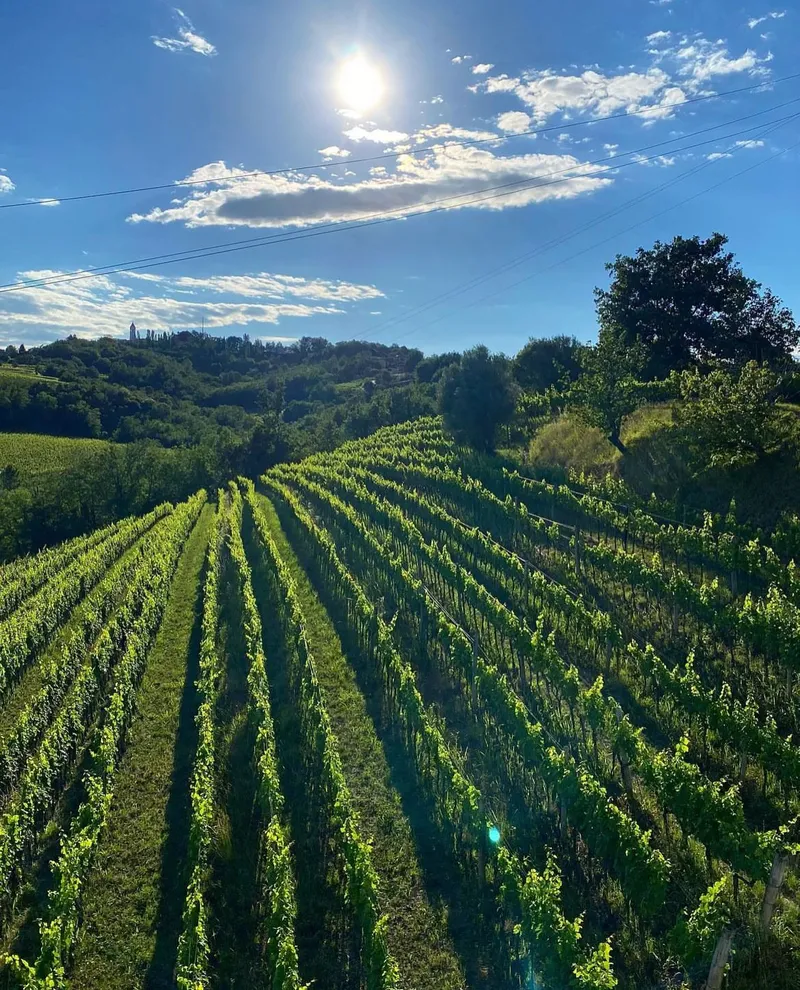
Photograph: Radikon
FRIULI-VENEZIA GIULIA
Red: Cabernet Franc, Refosco, Pinot Noir
White: Friulano, Pinot Grigio, Sauvignon Blanc, Pinot Bianco, Ribolla Gialla
Friuli revolutionised Italian white wine production through both technical innovation and natural winemaking extremes. This northeastern region of Italy, bordering Slovenia and Austria, produces some of the country's most aromatic and complex white wines.
Traditional Friulian whites, including Ribolla Gialla, Friulano, Sauvignon Blanc, and Pinot Grigio, display distinctive freshness, minerality, and complexity. These wines established Friuli's reputation for precise, varietal character.
However, Friuli also pioneered the orange wine movement – white grapes fermented on their skins and aged in amphorae, creating tannic, complex wines with distinctive orange hues. This movement spread to neighbouring Slovenia, together producing some of today's most exciting and intellectually challenging wines.
Cabernet Franc performs particularly well in Friuli's cool climate, producing elegant red wines with herbaceous complexity distinct from warmer climate expressions.
EMILIA-ROMAGNA
Red: Sangiovese, Lambrusco
White: Trebbiano, Malvasia
Emilia-Romagna bridges northern and central Italy, producing both serious still wines and Italy's most famous sparkling red wine: Lambrusco. This region's diverse geography supports various grape varieties and wine styles.
Lambrusco, available in multiple DOC designations, ranges from sweet commercial versions to serious, dry expressions showcasing this unique grape variety's potential. Quality Lambrusco offers vibrant fruit character with refreshing effervescence, perfect for the region's rich cuisine.
The region also produces significant quantities of Sangiovese-based red wines, particularly in the Romagna hills, alongside fresh white wines from Trebbiano and other varieties.
MARCHE
Red: Sangiovese, Montepulciano
White: Verdicchio
Marche's Adriatic coastline provides ideal conditions for Verdicchio, a white grape variety capable of remarkable longevity whilst retaining distinctive citrus and almond character. Quality Verdicchio offers complexity rivalling Italy's finest white wines.
Local red wines include Rosso Conero and Rosso Piceno, blending Montepulciano and Sangiovese in various proportions. These wines display red berry fruits with soft tannins and refreshing acidity.
PUGLIA
Red: Negroamaro, Primitivo, Nero di Troia, Malvasia Nera
White: Bombino Bianco, Minutolo
Puglia, Italy's heel, historically supplied fruit for northern wine production but now produces compelling wines under its own appellations. This southern Italy region's generous climate produces powerfully fruity red wines with natural richness.
Primitivo, genetically identical to California's Zinfandel, thrives in Puglia's heat whilst maintaining freshness. Negroamaro provides spicy, full-bodied character perfect for hearty cuisine.
SARDINIA
Red: Carignano, Cannonau
White: Vermentino
This sun-baked island produces fragrant, dry Vermentino – including the elevated Vermentino di Gallura DOCG – alongside rich, smoky Carignano del Sulcis from southern vineyards. Explore this coastal specialty in our detailed Vermentino grape profile. Cannonau, genetically identical to Grenache, creates full-bodied red wines suited to the Mediterranean climate.
TRENTINO-ALTO ADIGE
Red: Teroldego, Lagrein, Pinot Noir
White: Chardonnay, Pinot Grigio, Pinot Bianco, Sauvignon Blanc
Trentino Alto Adige represents the meeting point between Italian and Austrian wine cultures. This northernmost region of Italy, historically known as Southern Tyrol, benefits from clear mountain air and significant diurnal temperature variation, producing beautifully pure, fruit-driven wines.
Alto Adige's Germanic influence shows in both grape variety selection and winemaking precision. International varieties like Pinot Grigio, Chardonnay, and Sauvignon Blanc achieve remarkable purity and varietal character. Local specialities include Lagrein and Teroldego, indigenous red grape varieties producing distinctive, structured wines.
Trentino contributes significantly to Italian sparkling wine production, with many vineyards supplying fruit for quality Metodo Classico wines carrying the Trento DOC classification. These sparkling wines often rival Champagne for complexity whilst maintaining distinctive Alpine character.
UMBRIA
Red: Sangiovese, Sagrantino, Merlot, Cabernet Sauvignon
White: Trebbiano, Grechetto
Umbria, nestled between Tuscany and Lazio, produces distinctive wines from both international and indigenous varieties. Sagrantino di Montefalco stands as the region's flagship, offering incredibly tannic, powerful red wines requiring years to reach approachability.
Orvieto provides crisp white wine from native varieties including Grechetto, offering an alternative to more common Italian white grapes.
TL;DR
North: Piedmont makes Italy's most structured reds (Barolo, Barbaresco). Veneto delivers reliable everyday drinking, premium Amarone della Valpolicella, and global Prosecco. Friuli excels at aromatic whites and orange wines. Trentino Alto Adige produces pure, Alpine-influenced wines.
Central: Tuscany balances tradition (Chianti) with innovation (Super Tuscan blends). Emilia-Romagna offers serious Lambrusco. Marche showcases age-worthy Verdicchio. Umbria features super-tannic Sagrantino.
South: Campania showcases ancient varieties like Aglianico. Sicily's volcanic soils produce increasingly impressive wines, particularly from Etna. Puglia and Sardinia offer powerful, sun-drenched expressions.
Key takeaway: Italian wine labels make more sense when you understand the regions. Each area has distinct styles shaped by local grape varieties and geography. From Nero d'Avola in Sicily to Pinot Grigio in Friuli, Italy's diversity offers unmatched variety for developing your palate.
For wine subscriptions: Look for regional diversity in your selections. Italian wines offer the perfect foundation for understanding how terroir, grape variety, and winemaking tradition combine to create distinctive character.
EXPLORE MORE WITH TASTE DECODED
- Watch: Michael Sager on how to taste like a somm
- Read: Charles Spence on Sensory Science
- Article: What Makes Wine Cheap vs Expensive
- Guide French wine regions guide
- Guide: Italian wine regions guide
- Bonus: Spain, Germany, Australia, Argentina, South Africa and the USA country guides