
French Wine Regions: The Complete Guide
France's wine regions represent the world's most prestigious wine appellations, from Bordeaux's grand châteaux to Burgundy's terroir-driven domaines. This complete guide explores every major French wine region, covering grape varieties, top producers, and what makes each appellation unique. Whether you're discovering Champagne's limestone soils or the Rhône Valley's steep slopes, these French wine regions define excellence in winemaking.
French wine is what Real Madrid or William Shakespeare or Muhammad Ali or Daniel Day-Lewis or Jacqueline du Pré are to their respective fields. The French make some of the greatest wines in the world. For its wine, food, culture (and glorious intransigence in the face of ‘progress’), thank God for France.
Samuel Johnson’s point about being bored of London means being bored of life applies equally to French wine. You could spend your whole life – and what a happy task it would be – exploring France and its myriad wines and you would never get bored.
Understanding France's Wine Legacy: A Complete Regional Overview
France's wine regions represent more than geography; they're the result of centuries of viticultural obsession that makes the rest of the world's winemakers simultaneously inspired and slightly envious. From the prestigious bordeaux wines of the atlantic coast to the mineral-driven expressions of Chablis, each wine region in france tells a story of terroir, tradition, and the sort of stubborn perfectionism that only the French can manage with such style.
The French Wine Landscape: Diversity Across the Map of France
The complexity of French wine becomes wonderfully clear when you trace the diversity across France's landscapes. It's rather like having an entire continent's worth of wine styles packed into a country you can drive across in a day (though why you'd want to rush is beyond us). The wine regions span dramatically different climates and soils, creating expressions that range from the world renowned sparkling wine of Champagne's chalky hillsides to the robust red wines of the sun-baked south.
Northern Elegance: The Loire valley stretches across France's temperate heart, where Chenin Blanc and Sauvignon Blancs thrive in cool, limestone-rich soils. This region proves that French winemakers have mastered the art of making wines that taste precisely like where they come from, producing everything from bone-dry Sancerre to the sort of lusciously sweet wines that make Sauternes look positively restrained.
Eastern Complexity: Burgundy and Alsace showcase France's capacity for both powerful red wines and aromatic whites. Burgundy's Pinot Noir defines elegance with the sort of effortless grace that makes other regions try rather too hard. Meanwhile, Alsace's Pinot Gris and Germanic varieties create intensely flavoured wines that reflect the region's fascinating position as France's most Germanic corner, producing wines that are unmistakably French yet speak with a distinct accent.
Southern Warmth: The rhône valley divides into two distinct personalities, rather like a well-structured novel. The northern section produces structured Syrah-based wines with serious intent, whilst the south creates the complex blends epitomised by Châteauneuf du Pape. Here, numerous côtes de appellations contribute to a portfolio that spans from elegant rosé wines (perfect for pretending you're holidaying in Provence) to age-worthy reds that will outlast most of our New Year's resolutions.
Grape Varieties: The Building Blocks of French Wine Identity
French viticulture's particular genius lies in the sort of grape-to-place matching that suggests centuries of trial, error, and the occasional happy accident. Each region of France has evolved to showcase particular grapes at their absolute finest:
- Bordeaux mastery: Cabernet Franc plays the supporting actor role with considerable skill, particularly on the Right Bank where it adds aromatic complexity to blends. Think of it as the wine world's equivalent of a brilliant character actor like Hoffman or Giamatti who makes everyone else look better.
- Loire diversity: From Muscadet's crisp minerality (the wine world's answer to a perfectly pressed white shirt) to Chinon's structured Cabernet Franc, the Loire demonstrates remarkable versatility within a single river system.
- Rhône intensity: Whether expressing the peppery elegance of northern Syrah or the sun-baked power of southern Grenache blends, the Rhône Valley creates wines with the sort of depth that rewards both immediate drinking and patient cellaring.
The Evolution of French Wine Regions
Today's french wine landscape reflects both deep tradition and refreshing evolution. Classic appellations maintain their world renowned status whilst innovative producers across every wine region in France push boundaries with the sort of respectful rebellion that characterises the best of modern French winemaking. They're creating exceptional rosé wines in Provence, pioneering natural techniques in the Jura, and crafting outstanding sparkling wine beyond Champagne's rather jealously guarded borders.
From the structured red wines of Burgundy's limestone slopes to the honeyed sweet wines of Sauternes, France's viticultural diversity offers something for every palate and occasion. Understanding these regional differences provides the foundation for appreciating why French wine continues to set global standards, despite (or perhaps because of) the French tendency to shrug and suggest that excellence is simply what happens when you pay attention to details for several centuries.
This guide explores each major region in detail, revealing how geography, climate, and accumulated wisdom combine to create wines that have made French wine synonymous with doing things properly, even when no one's watching.
Understanding French wine regions means recognising how geography shapes taste, from the Atlantic coast to the Mediterranean. Major French wine districts like Champagne, Loire Valley, and Rhône Valley each maintain strict appellation controls whilst showcasing diverse grape varieties – Chenin Blanc and Sauvignon Blancs flourish in Loire Valley's cool climate, whilst Châteauneuf du Pape represents the Rhône Valley's powerful red wines. Bordeaux wines demonstrate how Cabernet Franc blends create world renowned expressions, whilst regions across the map of France produce distinctive rosé wines, elegant sparkling wine, and exceptional sweet wines. These wine regions of France have influenced winemaking worldwide, with each region of France establishing quality templates from Côtes de Provence rosés to Alsace's aromatic Pinot Gris, proving that French wine encompasses every style and grape variety imaginable.
French Wine Regions: Quick Reference Guide
Loire Valley | Crisp whites, light reds
Sauvignon Blanc, Chenin Blanc, Cabernet Franc
£15-40 | Beginner-friendly
Bordeaux | Prestigious reds, investment wines
Cabernet Sauvignon, Merlot, Cabernet Franc
£20-500+ | Moderate
Burgundy | Pinot Noir & Chardonnay excellence
Pinot Noir, Chardonnay
£25-300+ | Advanced
Chablis | Mineral Chardonnay
Chardonnay
£18-60 | Beginner-friendly
Rhône Valley | Powerful reds, spicy wines
Syrah, Grenache
£18-80 | Beginner-friendly
Champagne | World's finest sparkling wine
Chardonnay, Pinot Noir, Pinot Meunier
£30-200+ | Moderate
Beaujolais | Light, fruity reds
Gamay
£12-35 | Beginner-friendly
Alsace | Aromatic whites
Riesling, Gewürztraminer, Pinot Gris
£15-50 | Beginner-friendly
Jura | Unique styles, natural wines
Savagnin, Chardonnay, Poulsard, Trousseau
£20-60 | Advanced
Languedoc-Roussillon | Value wines, rich reds
Syrah, Grenache, Carignan, Mourvèdre
£10-35 | Beginner-friendly
France includes several of the world’s great wine regions, any one of which would render it important on wine’s world stage.
Regions like Bordeaux and Burgundy aren’t just grounded in history (as anyone witnessing the Tastevin ceremonies at Chateau de Clos de Vougeot in Burgundy would testify) and technically progressive (head south to Beaujolais to feel the low-interventionist, vinicultural drive) but also originated many of the world’s great ‘international’ varietals like Chardonnay, Pinot Noir and Cabernet Sauvignon among others. This combination of tradition (defined as useful innovations accepted and integrated with time), progressive practice and historic influence retains and holds the interest for novices and enthusiasts alike. Vivre La France.
French wines take the name of the place they are produced, in place of their respective grape variety as we see in the States. It's not Chardonnay, it's white Burgundy. It's not Syrah, it's Rhône red. The place matters as it signifies many things including associated quality, qualities and method (also an underlying focus on the idea of terroirs – see our glossary for more on this).
The classification system is a hierarchy premised on specific vineyards (Burgundy) or producers (Bordeaux) and unlike ‘Nam as Walter says, there are rules, in this case attached to varietals and methods allowed. A number of natural producers are rebelling against the classification system to beat their own alternative path in terms of winemaking choices, and are in the process elevating the prior junk bond status of the ‘Vin de France’ designation. Chosen well, these wines represent the ‘auteur’ driven present and future of French and world wine.
Understanding French wine regions means recognising how geography and regulation shape taste. Major French wine districts like Champagne, Loire, and Rhône each maintain strict appellation controls that define quality and style. These wine regions of France have influenced winemaking worldwide, establishing templates that other countries still follow today.
NB: Before exploring France's diverse regions, you may want to apply these tasting techniques to appreciate each region through its distinct sensory characteristics.
BORDEAUX
Red: Merlot, Cabernet Sauvignon, Cabernet Franc
White: Sauvignon Blanc, Sémillon
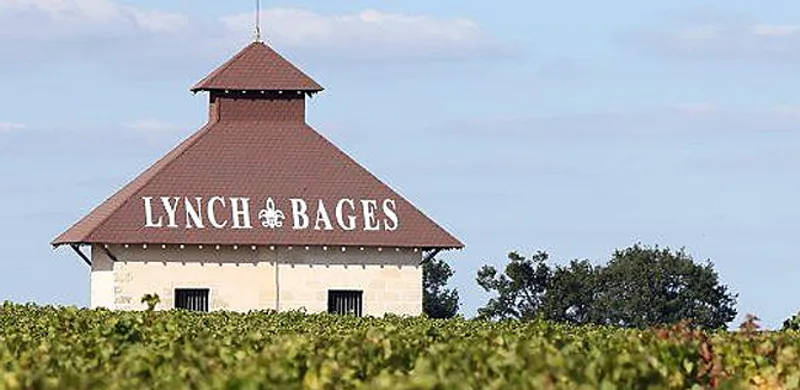
Producers here are called ‘châteaux', regardless of whether the wine was made in a palace, castle or lean-to. Bordeaux boasts several of the most expensive wines in the world, including the 'first growths', which were designated as top of the regional tree way back in 1855. These wines are treated as investments, and are subject to speculative inflation (a sad fact for producers eager for their wine to be drunk and enjoyed by fellow enthusiasts as opposed to an afterthought on a spreadsheet). At the other volume end of the scale, you have farmers seeking to survive on much tighter margins, whilst managing the same basic productive costs as their exalted brethren. This nets out as a region representing the breadth of modern wine with beautifully made, prohibitively priced wines, some expedient low grade stuff plonked on supermarkets shelves up and down the land, and a wary public threading the needle of expense and quality every time they fancy some a tipple (here's some guidance if you want it delivered or if buying in-store).
Wines made in the Médoc and Graves on the left bank of the Gironde estuary on which the city of Bordeaux is located are Cabernet Sauvignon driven, have the potential to age and are characteristically dry. Their equivalents on the right bank in Pomerol, St Émilion and ‘Entre-Deux-Mers' are Merlot driven and fruitier.
Other south-west France appellations, including Cahors, Dordogne and Bergerac, create variations on Bordeaux grape varietal theme.
Key producers:
CHÂTEAU PALMER leads Bordeaux’s evolution under Thomas Duroux’s visionary hand. Their pioneering organic and biodynamic approach proved prescient. Today, the wines reach new heights—powerful yet refined, built for time yet full of life.
CHÂTEAU PICHON LONGUEVILLE COMTESSE DE LALANDE (Pichon Lalande) balances Pauillac’s power with perfume and grace. While these second growths age magnificently, they also offer earlier pleasures, sometimes accessible within five years.
DOMAINE DU JAUGARET preserves Bordeaux’s artisan past. Jean-François Fillastre works like a Burgundian—one man, not a corporation—crafting supple, digestible wines that defy regional stereotypes.
CLOS DU JAUGUEYRON sees Michel Théron follow a similarly old-school path—organic farming, whole-cluster fermentations (a rarity here), minimal new oak. His wines reward with accessibility and aromatic complexity from youth.
CHÂTEAU PÉTRUS rewrites the dictionary of hedonism. From blessed clay in Pomerol’s heart come wines that trade modern prizes (acidity, stern structure) for fruit so opulent and textures so lush they redefine possibility.
VIEUX CHÂTEAU CERTAN offers Pétrus-like pleasure in a more terrestrial form. Their Pomerol speaks of blackberry and blueberry, delivered through a texture that soothes rather than challenges—beauty’s quieter face.
Q: WHAT'S THE DIFFERENCE BETWEEN LEFT BANK AND RIGHT BANK BORDEAUX?
Left Bank Bordeaux (Médoc, Graves) focuses on Cabernet Sauvignon, creating structured, age-worthy wines. Right Bank (Pomerol, Saint-Émilion) emphasises Merlot, producing more approachable, fruit-forward styles.
BURGUNDY
Red: Pinot Noir, Gamay
White: Chardonnay, Aligoté
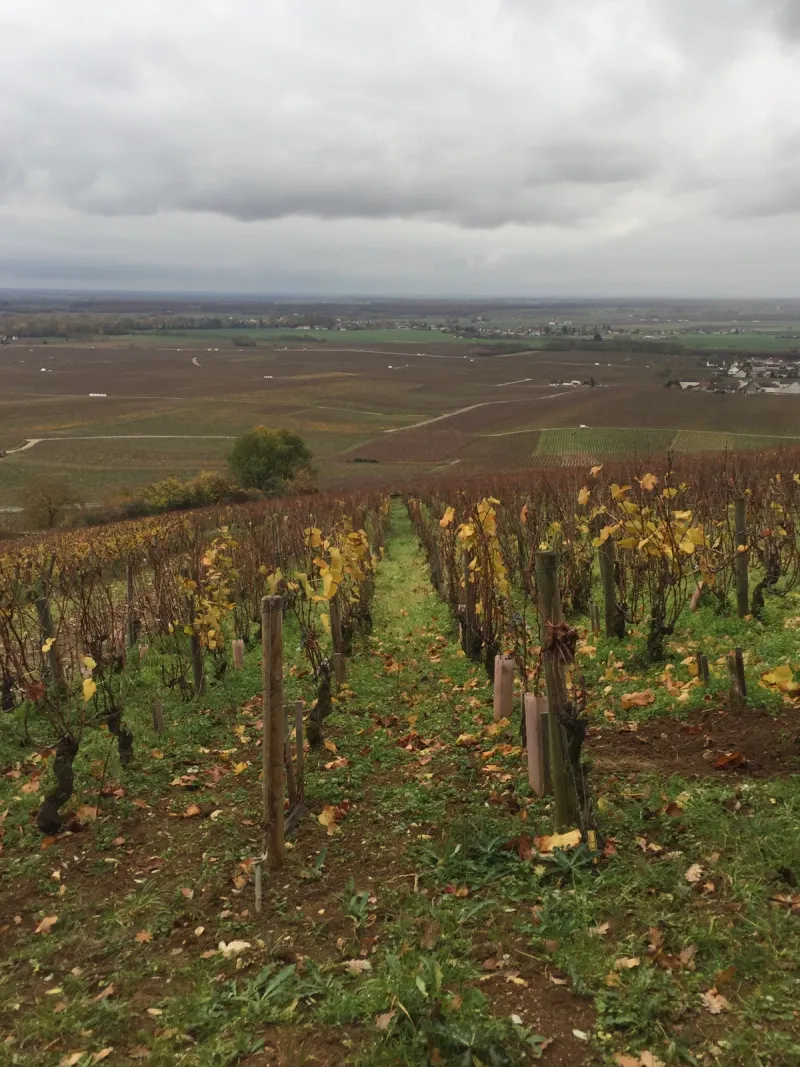
Burgundy, which originated prominent ‘international’ varieties Pinot Noir and Chardonnay, is a long and gentle east facing slope covered in grapes. It's reasonably compact area, split into smaller areas, then subdivided into parcels, often on ancient lines. This division adds up to a lot of highly specific information which can make Burgundy hard to take in straight off the bat. The time spent in learning is more than paid back in pleasure and interest.
To understand how vintage variation impacts specific French regions, discover the expert's view on the 2023 vintage in Burgundy's complex landscape.
Farmer / winemakers here are called 'domaines', the golden slope, or Côte d'Or, carried the most famous Burgundy vineyards but represents a tenth of the wine made in Bordeaux. The lionshare of it is red, made from a beautiful quilt of small vineyards, each replete with history and status, diligently demarcated by the wisdom of the ages handed down mediaeval times. There are 33 Grands Crus at the top of the pyramid, then 640 Premiers Crus, then 44 villages giving their name to wine – some carrying named parcels of specific character or ‘lieux-dits'. There’s also been a growth a sub-regions like Hautes-Côte-de-Beaune or Côte-de-Nuits before giving way to the generic regional appellation of ‘Bourgogne’. Some Bourgognes represent exceptional value as the best producers ensure their entry wine is made with many of the key qualities and choices (vineyard work, sorting, cellaring, etc) that mark out their best cuvées, thereby providing a smart access point to world class wine.
Cleverly, some villages have attached their villages to their most evocative named vineyards like the beautiful Chambolle-Musigny or Vosne-Romanée. The northern end of the slope takes its name from Nuits-Saints-Georges in being named Côte-de-Nuits, and also includes Gevrey-Chambertin and Morey-Saint-Denis. The southern Côte-de-Beaune references the seductive town at the heart of the Burgundy and world wine scene.
The Côte-de-Beaune section prompts the white wine lover to salivate involuntarily – Mearsault, Puligny-Montrachet, Chassagne Montrachet – as centuries of tradition, judgment and taste come together in single bottles of light coloured liquid. It also features personal favourites in Volnay and Pommard, which produce floral yet grippy and weighty, ageable reds respectively.
The Côte-de-Nuits and the Côte-de-Beaune make some of the best red and the best white wine in the world.
Key producers:
MARSANNAY
SYLVAIN PATAILLE is Burgundy’s quiet visionary, a scientist in the vines, a poet in the cellar. He reads the land like an old book, uncovering its secrets before the earth itself confesses. His Bourgogne Rouge rivals premier crus, a testament to his belief that great wine starts in the soil.
BRUNO CLAIR lets his wines do the talking. His Marsannay holdings may not command the same reverence as his Côte d’Or parcels, but the same meticulous touch applies. These are wines of clarity and precision, speaking in quiet but confident tones.
FIXIN
DOMAINE BERTHAUT is where Amélie Berthaut shapes the future while honoring the past. Fixin’s rustic edge meets her deft touch, resulting in wines that hum with tension and grace. The evolution is ongoing, but the trajectory is undeniable.
GEVREY-CHAMBERTIN
DOMAINE ARMAND ROUSSEAU is Burgundy royalty, but there’s no pretense here—just wines of effortless balance. Depth and energy, power and finesse, all in harmony. A Rousseau bottle isn’t just a wine, it’s an experience.
DOMAINE FOURRIER sees Jean-Marie Fourrier crafting Gevrey’s wild side into something precise and haunting. His wines shimmer with purity, elevating terroir above technique. Even his négociant bottlings hum with the same vibrancy.
PHILIPPE PACALET channels Beaujolais roots and natural wine instincts into Gevrey’s structured frame. Whole cluster, no sulfur, just pure, pulsing life. From villages to grand crus, these wines demand attention.
MOREY ST DENIS
DOMAINE DUJAC built a legacy in half the time of its peers. Finesse is the through line, the common thread from Clos de la Roche to Vosne. These are wines of lightness and depth, moving with quiet confidence.
DOMAINE PONSOT was once Burgundy’s most enigmatic estate, picking late, avoiding new oak, standing apart. Laurent Ponsot’s departure leaves questions, but the wines—dense, structured, built to last—remain undeniable.
DOMAINE DES LAMBRAYS is a story of resurrection. Clos des Lambrays once languished in obscurity; now, under new stewardship, it whispers of elegance and quiet power. Time will tell if it can join Burgundy’s top tier.
CÉCILE TREMBLAY turned forgotten vines into one of Burgundy’s most compelling new voices. Biodynamics, gentle extractions, an obsession with purity—her wines shimmer with grace, proving that sometimes less is more.
HUBERT LIGNIER overcame loss and upheaval to emerge stronger than ever. The wines remain laser-focused, pure as mountain air, structured as an architect’s blueprint. Precision and soul, bottled.
CHAMBOLLE-MUSIGNY
DOMAINE GEORGES ROUMIER is Burgundian essence distilled. Christophe Roumier’s wines walk the line between power and grace, between structure and perfume. They whisper today, roar tomorrow, and leave a mark forever.
DOMAINE JACQUES-FRÉDÉRIC MUGNIER proves that power isn’t always necessary. Frédy Mugnier’s Chambolle wines are feather-light but unforgettable, their presence felt in absence as much as in taste. Elegance redefined.
CLOS DE VOUGEOT
DOMAINE LEROY could rule from any vineyard, but here, magic happens. Each bottle is a masterclass in balance—intensity without weight, concentration without heaviness. A symphony in every sip.
DOMAINE ANNE GROS understands that great wine is about precision, not excess. Le Grand Maupertui, her jewel in Clos de Vougeot, channels deep clay into wines of muscle and refinement, built to outlast decades.
DOMAINE MUGNERET-GIBOURG is where two sisters redefine power. Marie-Christine and Marie-Andrée craft Vougeot with a touch both firm and gentle, layering bright fruit over a foundation of quiet strength.
VOSNE-ROMANÉE
DOMAINE DE LA ROMANÉE-CONTI (DRC) needs no words, yet deserves all of them. Burgundy’s pinnacle, where rarity meets perfection. A bottle commands reverence. A sip rewrites expectations.
DOMAINE DU COMTE LIGER-BELAIR rose from history’s shadows to Burgundy’s spotlight. Louis-Michel’s touch is unmistakable—pure, lifted, precise. His La Romanée is the crown jewel, but every wine in the lineup demands attention.
NUITS-ST-GEORGES
DOMAINE HENRI GOUGES carries Nuits' most revered name, farming here since time immemorial. In 1919, they pioneered estate bottling, setting a benchmark. Their style mirrors the village—uncompromising, structured, austere in youth, magnificent with age. The land speaks through their wines, given time to unfurl.
DOMAINE PRIEURÉ ROCH walks its own biodynamic path, carrying DRC lineage yet forging something altogether wilder. Clos des Argillières and Clos des Corvées embody their ethos—minimal sulphur, untamed energy. These are not polished wines; they wear their rawness like a badge of honour, fruit-packed and alive.
DOMAINE ROBERT CHEVILLON stands alongside Gouges as a pillar of Nuits. Rustic yet profound, they guide fruit to bottle with a light touch. Their wines, structured and unyielding in youth, mature into expressions of profound purity and elegance.
CORTON
BONNEAU DU MARTRAY reigns over Corton-Charlemagne from its Pernand-Vergelesses stronghold. Their wines capture the site’s stark, chiselled minerality—reserved in youth, majestic with time. Ten years of patience reveals their true soul.
COCHE-DURY crafts Corton-Charlemagne at the pinnacle of power and precision. The site's raw minerality meets opulent ripeness, yielding a bottle that sits at the summit of Burgundy's most sought-after treasures.
PIERRE-YVES COLIN-MOREY brings intensity to Corton-Charlemagne—concentration, oak, tension. His wines demand time, their first words whispered only after years in bottle.
BEAUNE
DOMAINE DES CROIX sees David Croix, once Camille Giroud's young prodigy, focus solely on his own venture: restoring Beaune's small growers to their former glory. His Corton offerings add further depth to his mission.
DOMAINE DROUHIN upholds its historic stature under Véronique Drouhin, Burgundy’s quiet icon. Their Clos des Mouches stands apart—taut, poised, red-fruited with a minerally spine.
NICOLAS POTEL, son of Volnay legend Gérard Potel, excels as a négociant. His cuvées span the Côte d'Or, yet his Beaune Premier Crus shine particularly bright.
POMMARD
DOMAINE DE MONTILLE proves Pommard's worth over time. Their Rugiens from '78 and '71 still astonish, testament to the heights these slopes can reach in patient hands.
COMTE ARMAND builds its legend on Clos des Epeneaux. Two great visionaries sparked its renaissance—Pascal Marchand in 1985, followed by Benjamin Leroux, who began his journey here at fifteen.
VOLNAY
DOMAINE MARQUIS D'ANGERVILLE distils Volnay to its purest form. Their monopole Clos des Ducs ranks among Burgundy's greatest sites. Guillaume d'Angerville reflects on its 1507 measurement—2.15 hectares—identical today. Beyond Clos des Ducs: Champans, Caillerets, Taillepieds, Mitans, Clos des Angles, and Fremiet all sing in harmony.
DOMAINE LAFARGE embodies Burgundy’s spirit—great farmers, great winemakers, great souls. Their wines, deeper and weightier than d'Angerville’s, hold equal force. Time rewards them: Caillerets, Clos des Chênes, Clos du Château des Ducs, and Mitans.
DOMAINE DE MONTILLE remains a Volnay torchbearer. Hubert’s firm, tannic touch gave way to Etienne’s more floral elegance—both deeply true to the village's soul.
MEURSAULT
DOMAINE GUY ROULOT sees Jean-Marc balance acting, writing, and winemaking genius. His wines articulate Meursault in poetry—elemental, precise, profound. His Bourgogne Blanc redefines the category; his lieux-dits collection—Tessons (Clos de Mon Plaisir), Tillets, Meix Chavaux, Vireuils, Luchets—stands unmatched.
DOMAINE DES COMTES LAFON watches Dominique carve his own path. His shift toward acid-driven precision reshaped Meursault. Beyond his considerable Volnay holdings, his Meursaults—Clos de la Barre, Charmes, Genevrières, Perrières—set new benchmarks.
DOMAINE COCHE-DURY maintains its cult status through scarcity and unwavering quality. The famed sulphurous matchstick note appears less frequently now, yet their wines remain icons of Meursault’s power, minerality, and grace: Chevalières, Rougeots, Caillerets, Perrières.
ARNAUD ENTE ascends among Meursault’s elite, shaped by Coche-Dury’s influence in the '90s. Like Lafon, he steers away from richness towards a more citric, mineral-driven style. Seek out his Clos des Ambres, La Goutte d'Or, and Les Petits Charrons.
PULIGNY-MONTRACHET
DOMAINE LEFLAIVE remains a beacon of greatness, steadfast after Anne-Claude Leflaive’s passing. Her nephew Brice de la Morandière upholds their exacting standards. Old-school Puligny at its finest—intensely mineral, built to last. Grand Crus (Montrachet, Chevalier-Montrachet) to Premier Crus (Pucelles, Folatières, Combettes, Clavoillon)—they define the appellation.
DOMAINE FRANÇOIS CARILLON & DOMAINE JACQUES CARILLON emerged from Louis Carillon’s 2010 division. Once a single entity, their styles remain strikingly similar—ripe yet poised, generous yet precise. Both produce village wine and Premier Cru Les Perrières, each a study in balance.
DOMAINE ETIENNE SAUZET commands respect from Montrachet to Premier Crus. Their wines embrace boldness—ripe fruit, generous oak, sheer impact. Keyser in name alone, they exude nothing but light.
CHASSAGNE-MONTRACHET
PAUL PILLOT sees Thierry’s obsessive focus on vineyard health yield wines of crackling energy. His Chassagnes—Clos St-Jean, La Montagne, Grandes Ruchottes—bristle with tension and drive.
PIERRE-YVES COLIN-MOREY (PYCM) and Caroline Morey forge some of the Côte de Beaune's most exciting wines. Intense farming translates to wines of precision and verve. Oak, once prominent, now integrates seamlessly. Even their Bourgogne Blanc rewards patience (two to ten years).
DOMAINE BERNARD MOREAU entrusts the next generation, Alex and Benoît, with continuing their father’s vision. Pristine fruit meets judicious oak, crafting wines that balance minerality with richness. Their Chassagnes impress: Enseignères, Chenevottes, Maltroie, Caillerets.
Q: WHY IS BURGUNDY'S WINE SO EXPENSIVE?
Burgundy's high prices reflect tiny vineyard plots, strict appellation laws, and limited production. A single vineyard might have 20 different owners, each making only a few hundred bottles annually.
CHABLIS
White: Chardonnay, Aligoté, Pinot Blanc, Sauvignon Blanc
Red: Pinot Noir, Gamay
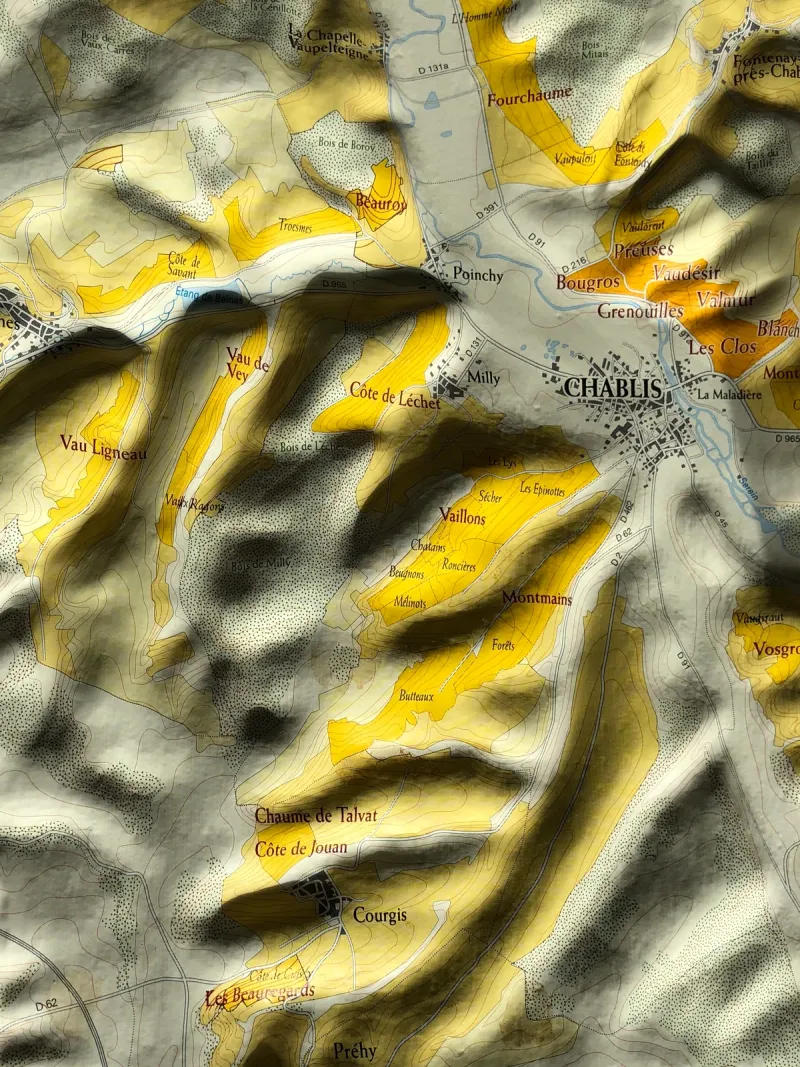
Chablis is a place in northern Burgundy between Beaune and Reims producing Chardonnay grown on limestone rich Kimmeridgian soils (the same limestone seam which passes through Champagne and parts of southern England contributing to the latter two's shared prowess in making refreshing fizz). It’s still part of Burgundy – and so classifies vineyards grand and premier crus – but is generally dryer, ‘bonier’ and more acid driven. It has suffered from trading on its name and with it a sense of complacency and mediocrity. This is changing as storied and emerging names remind people what made them fall for super dry, unoaked, geographically specific Chardonnay originally.
Key producers:
DOMAINE RENÉ & VINCENT DAUVISSAT sits at the pinnacle of modern Chablis. Vincent, following in René’s footsteps, farms biodynamically—though without certification—with meticulous care. His self-effacing wines whisper at first, then unfurl and blossom with age. They demand contemplation. For their quality, prices (£70–£150) seem more than fair. Seek out every wine: Petit Chablis, Chablis, La Forest, Séchet, Vaillons, Preuses, and Les Clos.
DOMAINE RAVENEAU crafts Chablis’ other masterpieces—singular, inimitable expressions that often seem to transcend their understated terroir. Funky, visceral, eccentric, they define greatness. Their range astounds, from village wines through the legendary Montée de Tonnerre, alongside Butteaux, Valmur, Blanchot, and Les Clos.
DOMAINE LOUIS MICHEL presents Chablis at its purest—these wines are sashimi, pristine and elemental. Seeing no oak, they capture energy in its rawest form. In youth, they are steel and light; with age, they reveal profound depths. Their holdings span greatness: Grand Crus Grenouilles, Vaudésir, and Les Clos, as well as expressive Premier Crus like Montée de Tonnerre, Forêt, and Montmains.
CHRISTIAN MOREAU distils precision into liquid form, balancing tank and barrel ageing for each wine. The results are extraordinarily precise. Pay special attention to the Vs: Valmur, Vaudésir, and Vaillons.
DOMAINE PATTES LOUP sees young Thomas Pico transform a conventionally farmed inheritance into an organic treasure. Using old barrels, steel tanks, and concrete eggs, he creates fleshy, textured Chablis that retains its mineral backbone. Vaillons and Butteaux shine, but don’t overlook his outstanding village wine.
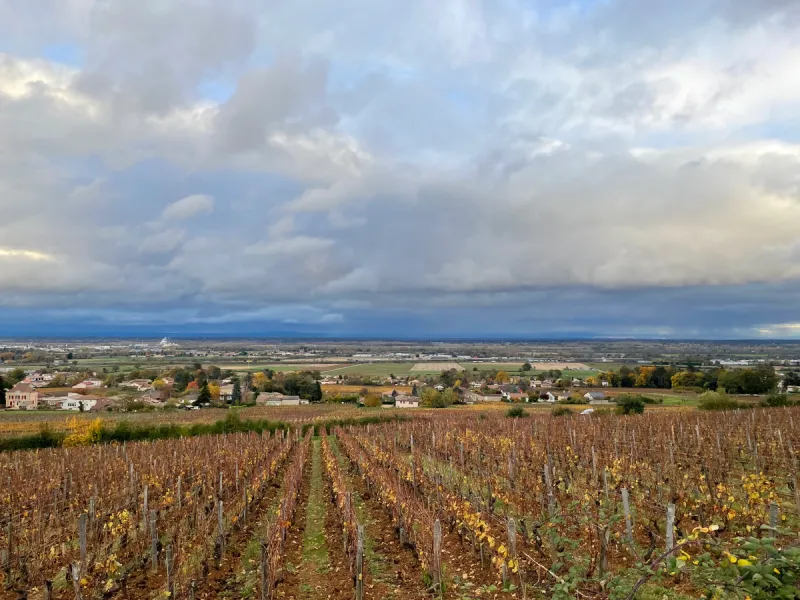
BEAUJOLAIS & THE MACONNAIS
Red: Gamay
White: Chardonnay
Head south from the Côte d'Or and Côte Chalonnaise and you hit two further regions of note to the wine lover, Beaujolais and Mâconnais. The ‘bojo’ reds are made from Gamay, a casual, easy drinking grape which serves as crusty, hippie-ish stylistic and cultural counterpoint to the Porsches and Loro Piana populating the north. Beyond the annual event that is ‘bojo nouveau’, the crus carry the interest and age ability, including Regnié, Chiroubles, Chénas, St-Amour, Fleurie, Brouilly, Côte de Brouilly, Juliénas, Morgon and Moulin-à-Vent. The Mâconnais Chardonnays, are much more accessible but increasingly noteworthy even in the reflected glare of their exalted cousins from the north.
Key producers:
LAPIERRE shaped Beaujolais’s destiny through Marcel’s pioneering natural wine movement, countering the tide of industrial production. His unexpected passing in 2010 left large shoes to fill, now ably occupied by his children, Matthieu and Camille. Their wines echo Marcel’s warmth and generosity. Beyond the ever-reliable Morgon and Côte du Py, seek out the powerful old-vine Cuvée Marcel Lapierre and Cuvée Camille.
JEAN FOILLARD stands indisputably among Beaujolais’s finest. A founding member of the Gang of Four, he blends power and structure with flowing grace. His wines prove Beaujolais can be both serious and playful in a single sip. Morgon brings him fame, but his Fleurie commands equal respect. His Morgon Cuvée Corcelette is smooth and rounded, while Côte du Py packs muscle. His recent Beaujolais-Villages, crafted from younger vines, offers tremendous value at £25.
GUY BRETON carries the nickname "Petit Max" like a banner through Beaujolais. His small domaine crafts uniquely personal wines with more structure and angles than most Morgon producers. High acidity ensures longevity—recent tastings of 15-year-old Morgon reveal astonishing youth. His plots in high-altitude St-Joseph (sharing a name with the Rhône appellation) birth his top P’tit Max cuvée from century-old vines. His Vieilles Vignes (a mere 80 years old) and Chiroubles demand attention.
DOMAINE DE LA GRAND’COUR (JEAN-LOUIS DUTRAIVE) kept Fleurie’s secrets hidden for too long. Now the world knows these might be Beaujolais’s most graceful, artistic, and ravishing wines. They carry depth and concentration yet cannot escape their maker’s warmth and humour. The Fleuries (village and single-parcel "Champagne") define elegance, while Brouilly shows firmer bones.
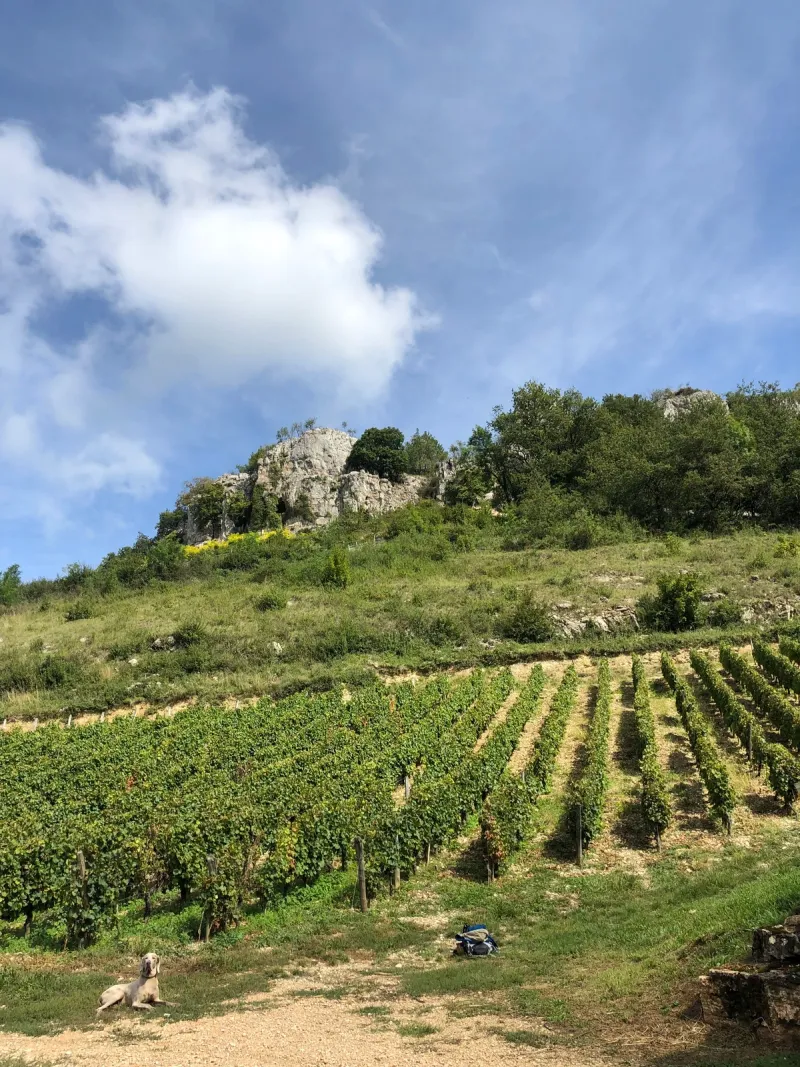
JURA
Red: Trousseau, Poulsard, Pinot Noir
White: Savagnin, Chardonnay
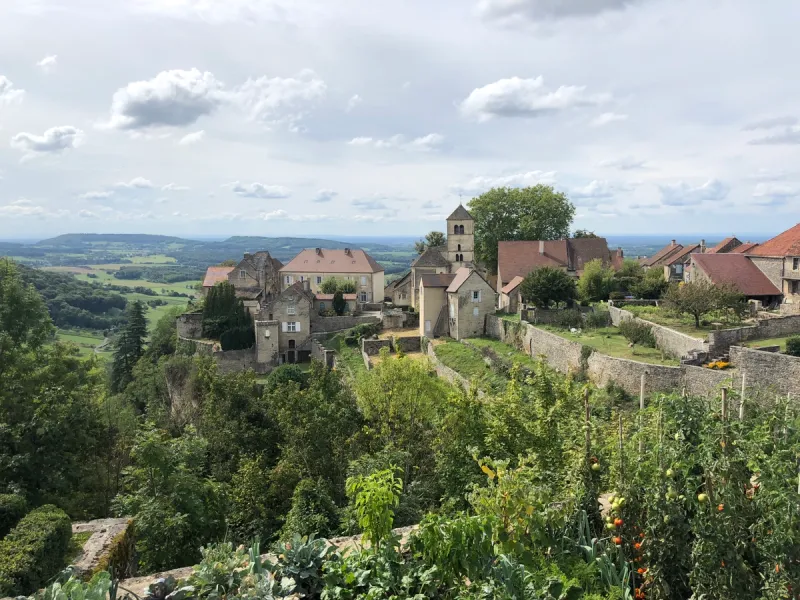
This small region between Burgundy and the Alps is known for Vin Jaune (France’s version of dry sherry derived from Jura's historic links to Spain), Comte cheese and Bresse chicken. It shares surface similarities with its illustrious neighbour, Burgundy, in having richly flavoured whites and lighter reds, but they’re as different as Cain and Abel, despite Jura also featuring Chardonnay and Pinot Noir among its varieties. The wines are very much ‘in’ thanks to many of the natural pioneers being located here and have an authentically distinctive character, particularly the whites which include a world great made from the dramatic hill top vineyards Château Chalon.
Key producers:
PIERRE OVERNOY / EMMANUEL HOUILLON captures life’s essence in Arbois-Pupillin. Now-retired Overnoy passed his legacy to disciple Houillon, who continues their pursuit of truth, purity, and beauty. These unicorn bottles appear in unlikely places—obscure Paris bistros or forgotten cellars—demanding immediate attention.
JEAN-FRANÇOIS GANEVAT crafts biodynamic marvels that define Jura’s greatness. His daunting range (over thirty cuvées annually) showcases mastery across all styles, from oxidised to pristinely fresh. Old vines birth profound Chardonnays—Marguerite, Florine, and Chalasses Vieilles Vignes. His Savagnin ages majestically; Poulsard and Trousseau dance with crunchy vitality.
DOMAINE DU PÉLICAN began with Guillaume d’Angerville’s Parisian epiphany over a mystery Chardonnay. His Jura venture started golden, acquiring vineyards from the retiring Jacques Puffeney, the "pope of Arbois." Early vintages already show Volnay-like precision in Chardonnay, Pinot Noir, and Jura’s native grapes: Savagnin, Trousseau, and Poulsard.
STÉPHANE TISSOT masters both non-oxidative precision and oxidative power. His sparkling wines, Chardonnays, and reds define the fresh style, while his Vin Jaune commands oxidative might. Biodynamic farming meets low-sulphur winemaking, creating wines built for decades. Seek out his Chardonnay and Poulsard from Les Bruyères, as well as his Savagnin.
CHAMPAGNE
Red: Pinot Meunier, Pinot Noir
White: Chardonnay
Champagne is a place – and a state of mind synonymous with celebratory occasions – and not a varietal. Only fizz made in the region to the east of Paris and west of Chablis can be labelled Champagne. The majority is white, made from white and red grapes in such a way that no colour carrying pigments stick around when bottled. Most is made as non-vintage/‘NV’ cuvées, bringing together several vintages often to level up the weaker vintages with those comparatively stronger, whilst at the same time providing a consistent, scalable ‘House’ style to keep the customers (and bank) satisfied. There is also single vintage champers for the good years worthy of capturing the vintage’s unique character. There are ‘House’ champagnes made in impressive quantity, where in many cases you’re buying the marketing or brand – and ‘Grower’ equivalents produced in much smaller numbers – where you’re buying fizz made by a farmer with application and taste.
Key producers:
JACQUES SELOSSE terrorised Champagne’s establishment by treating it like wine. His often rich, slightly oxidised, terroir-focused style inspired and mentored a generation of grower-producers. Expensive, but essential education.
CHARTOGNE-TAILLET shone brightly before Alexandre Chartogne succeeded his parents; now it blazes. A disciple of Selosse, Alexandre follows a similarly non-interventionist path, crafting profoundly vinous Champagnes from his Merfy home.
CHAMPAGNE SAVART reveals Fred Savart’s gentle touch. His Champagnes float with grace and purity, drawn from Pinot Noir and Chardonnay grown around Écueil and Villers-aux-Noeuds. L’Ouverture, his entry-level Pinot Noir, wraps ripe fruit in delicate acid lace.
PIERRE PÉTERS proves Mesnil-sur-Oger’s greatness through pure Chardonnay. Fresh, zingy wines carry surprising nuance, stoniness, and complexity. Cuvée Réserve satisfies reliably; the single-vineyard Les Chétillons stuns.
CHAMPAGNE LA CLOSERIE (JÉRÔME PRÉVOST) crafts magic from two hectares of his grandmother’s vines. Defying Champagne’s blending traditions, he focuses on a single vineyard, single grape (Pinot Meunier), and single vintage. The results are powerful yet supple, improving with time.
BÉRÊCHE ET FILS sees brothers Raphaël and Vincent uphold their family’s legacy, dating back to 1847. They emphasise organic and biodynamic farming, building wines of power and substance, held in perfect balance.
BENOÎT LAHAYE works Bouzy’s Grand Cru soil like a purist’s purist—biodynamic farming with horse-ploughing. Natural yeasts and minimal sulphur birth his super-dry rosé from Pinot Noir and his vivacious, sulphur-free cuvée Violaine.
EGLY-OURIET helped launch the grower-producer movement under Francis Egly. His wines maintain that revolutionary energy—powerful, intense, profoundly vinous expressions of Pinot Noir and Pinot Meunier.
VOUETTE & SORBÉE carries Bertrand Gautherot’s biodynamic flag in the Aube. His steep, cool hillside preserves fruit intensity. His cuvée Fidèle, crafted from Pinot Noir on Kimmeridgian soil, may remind one more of Chablis than Champagne.
JACQUES LASSAIGNE makes history in Montgueux (Aube), crafting remarkable wines in a place where fame has never lived. Chalk and clay birth powerful expressions, especially his Blanc de Blancs de Montgueux.
RHONE VALLEY
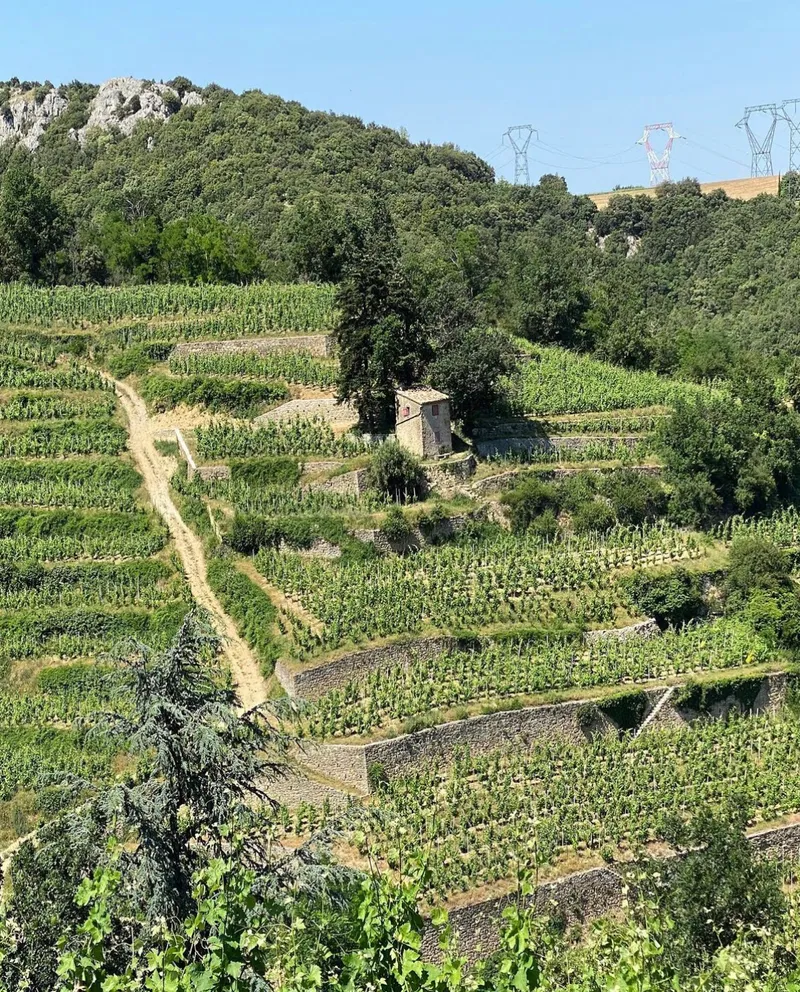
The Rhône Valley is a large wine region of France, split between into Northern Rhône and Southern Rhône sub-regions.
Both make mainly red, dark, tannic wines that please novices and connoisseurs alike.
The whites are made in small amounts – show up occasionally in the reds – but chosen well provide fruit, texture, depth and delight. Northern Rhône rangers are Syrah driven and represent much of the world’s best; and Southern Rhône are Grenache driven blends that pop, pour and please.
Northern Rhône
Red: Syrah
White: Viognier, Marsanne, Roussanne
Slightly lighter reds from the steep slopes of the Côte Rôtie contrast with the richer stuff from the hill of Hermitage to the south. Crozes-Hermitage, Cornas and St-Joseph are like (un)cut gems if chosen carefully. The former and the latter have white equivalents. Outside of the majestic Hermitage white, the most famous white of the northern Rhône, Condrieu, is made from the Viognier varietal grown south of Côte Rôtie. Production due to the accessibility and back breaking nature of their steep slopes involved is small, and historically stop start, but with producers like Alain Graillot in Crozes (sadly now deceased) and Pierre Gonon in St Joseph, the appellations are returning to or in cases surpassing their former glories.
Key producers:
HERMITAGE
CHAVE is the benchmark producer, blending different parcels to showcase the full character of Hermitage. Bessards provides structure, while the rare Cuvée Cathelin offers a different interpretation. Their wines are built for long ageing.
BERNARD FAURIE produces small-batch Hermitage from top sites like Bessards, Greffieux, and Méal. His wines, unlabelled except for capsule colours, are complex and age beautifully. As he nears retirement, each bottle becomes rarer.
CÔTE-RÔTIE
OGIER is a major force in Côte-Rôtie, expanding his vineyards while staying true to the region’s classic style of finesse and acidity. His Le Village is an accessible introduction, while Lancement is a standout.
BÉNETIÈRE runs a small organic estate, producing pure and precise wines. Cordeloux is the key cuvée, while Dolium, made only in top years, is the pinnacle.
JEAN-MICHEL STÉPHAN takes a natural approach, making wines without sulphur that highlight Côte-Rôtie’s elegance and raw character. His Côte-Rôtie, Bassenon, and Tupin each offer a different expression of the terroir.
CLUSEL-ROCH focuses on the Côte Brune with a delicate, refined style. Les Grandes Places is their signature wine, while La Viallière, added in 2011, further strengthens their lineup. Certified biodynamic since 2002.
ST JOSEPH
GONON has raised the profile of St-Joseph through organic farming and precise winemaking. Their standard cuvée is a reference point for the region, while Vieilles Vignes, made from 70-year-old vines in select vintages, is among the best in the Rhône.
CHAVE treats St-Joseph with the same care as Hermitage. The entry-level Offerus is excellent value (around £20), while the main St-Joseph cuvée is structured and built to last. The estate’s long-term commitment to this appellation is promising.
SOUHAUT produces pure, low-sulphur wines with floral, smoky, and dark fruit notes. His range includes a basic Syrah, a village St-Joseph, and single-vineyard cuvées Les Cessieux and St-Épine, each offering increasing complexity.
DOMAINE MONIER is a partnership between Jean-Pierre Monier, his son Samuel, and at times Philippe Pérreol. Their small-scale, organic approach results in graceful St-Josephs. Look for Domaine Monier-Pérreol St-Joseph Tradition and Monier’s Terre Blanche and Laliefine.
CORNAS
CLAPE is a cornerstone of Cornas, making structured, long-lived Syrah. Their Renaissance cuvée is an excellent introduction, while the flagship Cornas is among the purest expressions of the appellation.
THIERRY ALLEMAND is a leading name in natural winemaking. Organic from the start, he minimises intervention and lets the terroir speak. Les Chaillots comes from younger vines, while Reynard, from older vines, is more intense and complex. Both age beautifully.
This version keeps things clear and informative while maintaining engagement. Let me know if you’d like any adjustments!
Southern Rhône
Red: Grenache, Syrah
White: Grenache Blanc, Vermentino
Southern Rhone is a big region producing as much appellate wine as Bordeaux.
Côtes-du-Rhône and Côtes-du-Rhône Villages weigh in with the numbers while the evocative Châteauneuf-du-Pape can feature up to 13 varieties with Grenache dominant. Mourvèdre punches above its weight here and elsewhere, bringing a uniquely peppery longevity to the mix. Exceptions to the red / Grenache dominance include the pleasing pink of Tavel and the heady and powerful red from Gigondas.
Key producers:
CHÂTEAUNEUF-DU-PAPE
DOMAINE VIEUX TÉLÉGRAPHE is a benchmark estate, producing structured, mineral-driven wines from La Crau’s famed plateau. Télégramme is approachable young, while La Crau needs decades to show its full potential.
CHÂTEAU DE BEAUCASTEL is known for balance and freshness, even in warm vintages. Their high Mourvèdre content adds depth and complexity. The lineup includes white and red Châteauneuf-du-Pape, with the rare Hommage à Jacques Perrin released only in top years.
CHÂTEAU RAYAS is Châteauneuf’s most distinctive producer, making elegant, almost Burgundian wines from pure Grenache. Pignan offers a similar style at a lower price, while their Côtes du Rhône labels, Pialade and Fonsalette, provide excellent value.
LOIRE
Red: Cabernet Franc, Gamay
White: Chenin Blanc, Sauvignon Blanc, Melon de Bourgogne
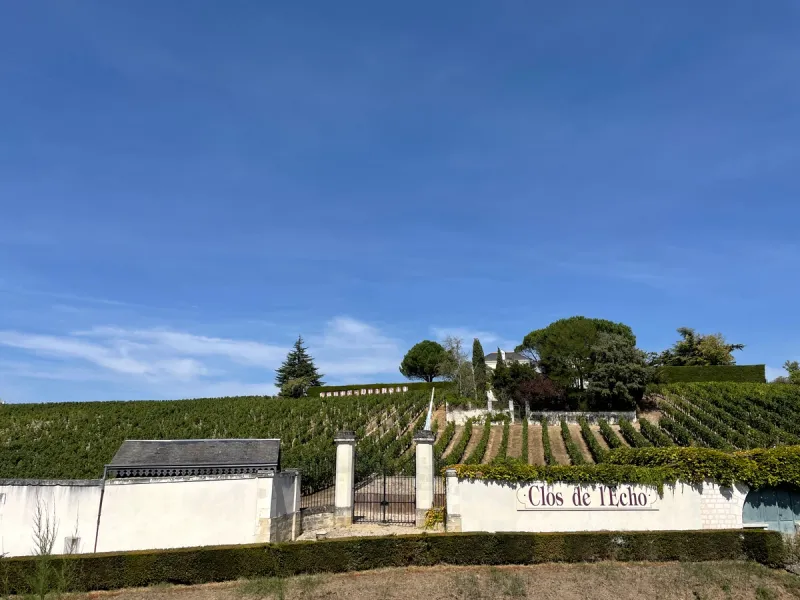
Loire, the longest river in France, links four wine regions, and several sub-regions, all showing a light, crisp style. The upriver Central Loire vineyards of Sancerre and Pouilly-Fumé provide the timeless French expression of Sauvignon Blancs supplemented with light reds and pinots. Further west is the city of Tours and it’s Touraine vineyards, providing sweet and dry whites made with Chenin Blanc in Vouvray and Montlouis and floral, fresh reds made from Cabernet Franc including Chinon and Bourgeuil.
Just downriver are the wines of Saumur and Anjou/Angers. Cab Franc and Chenin dominate here also but are joined by Gamay and local varietals like Grolleau.
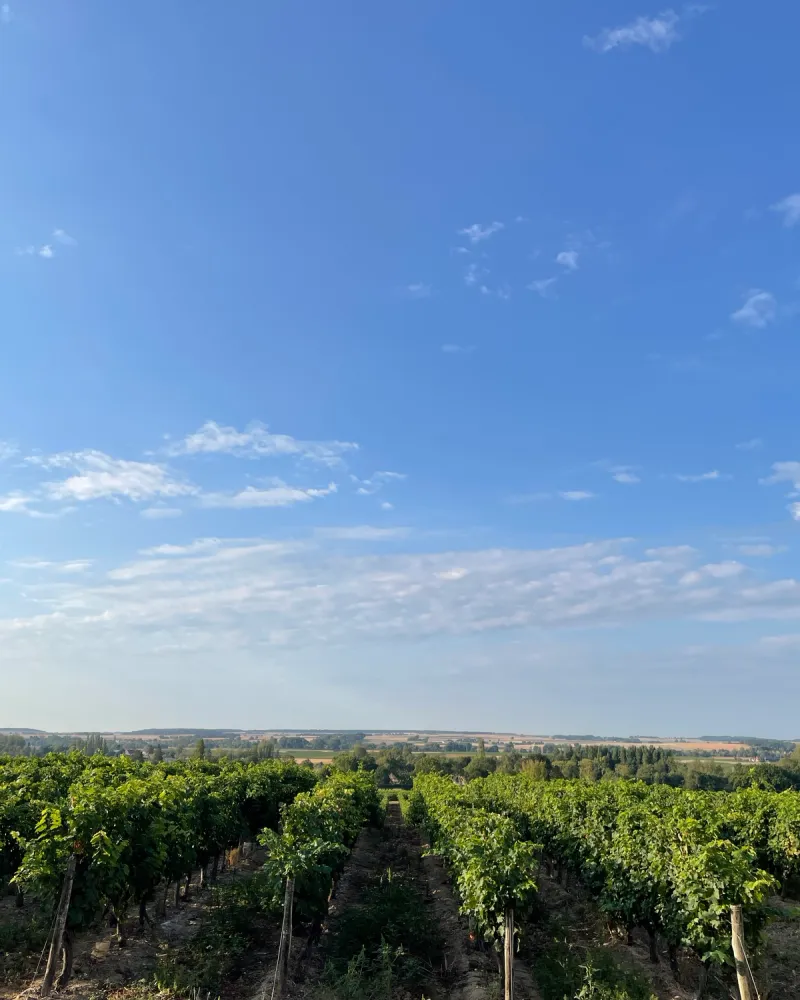
At the mouth of the river is the large but less prominent Muscadet wine region. Wines here are produced from Melon de Bourgogne grape and have a saltiness to them, which pairs classically with oysters. Despite being out of fashion, some great producers are showing what this grape and region can do.
Key producers:
SANCERRE
DOMAINE VACHERON is a benchmark for biodynamic Sancerre. Brothers Jean-Laurent and Jean-Dominique farm Kimmeridgian soils with precision, crafting wines of depth and purity. Their rosé is among the finest, showcasing the land’s potential.
FRANÇOIS COTAT produces rich, powerful wines from Chavignol’s steep slopes. Warm years bring weight and sweetness, but when balanced, his wines express remarkable minerality and intensity.
PASCAL COTAT shares the same terroir and philosophy as his cousin François, though family ties have frayed. His wines mirror François’s in power and purity, shaped by Chavignol’s limestone slopes.
GÉRARD BOULAY continues a winemaking tradition dating back to 1380. His Chavignol wines, grown on Kimmeridgian soil, share the structure and depth of great Chablis.
DOMAINE VINCENT PINARD produces precise, mineral-driven wines from organically farmed, old-vine Sancerre. Their approach prioritizes balance and terroir expression.
DIDIER DAGUENEAU revolutionized Pouilly-Fumé with his intense, structured wines. Though he passed in 2008, his children uphold his legacy, maintaining the purity and complexity that defined his work.
BOURGUEIL
DOMAINE DE LA CHEVALERIE makes age-worthy Cabernet Franc, fermented with wild yeasts and aged in limestone caves. Their wines offer exceptional value, combining structure and elegance.
CATHERINE & PIERRE BRETON champion natural winemaking, crafting joyful, expressive wines. Their sparkling and Vouvray offerings highlight their versatility.
DOMAINE DU BEL AIR produces organic, site-driven wines. Clos Nouveau is deep and complex, while Jour de Soif captures fresh, fruit-driven charm.
CHINON
BERNARD BAUDRY creates structured yet refined reds that reflect Chinon’s diverse terroirs. Their rare Chenin Blanc is equally compelling.
DOMAINE LES ROCHES (JÉROME LENOIR) offers raw, old-vine Cabernet Franc with remarkable aging potential. Deep cellars and minimal intervention shape these profound wines.
CHARLES JOGUET put Chinon on the global map, crafting wines that balance power and finesse. The domaine remains true to his vision.
DOMAINE ALLIET embraces modern techniques, using new oak to enhance richness without losing Chinon’s identity. The wines offer a fruit-driven yet structured style.
MONTLOUIS & VOUVRAY
FRANÇOIS CHIDAINE is a master of Montlouis and Vouvray, crafting precise, terroir-driven Chenin Blanc. His hands-off approach allows vintage variation to shine.
JACKY BLOT TAILLE AU LOUPS produces focused, mineral-rich wines. Barrel aging enhances complexity while preserving energy and aging potential.
LA GRANGE TIPHAINE blends tradition and innovation, producing expressive wines from Chenin Blanc, Gamay, Cabernet Franc, Côt, and Grolleau.
DOMAINE HUET remains a benchmark despite its 2003 ownership change. Their wines, rich yet structured, continue to define great Vouvray.
DOMAINE DU CLOS NAUDIN (PHILIPPE FOREAU) stays true to classic Vouvray styles. His sec is bone-dry, while sparkling offerings showcase precision and balance.
ANJOU
THIBAUD BOUDIGNON produces razor-sharp, structured wines with remarkable purity. His rosé is equally refined.
RICHARD LEROY crafts some of the most sought-after Chenin Blancs, marked by electric energy and precision.
STÉPHANE BERNAUDEAU makes concentrated, mineral-driven wines that balance strength and elegance.
MARK ANGELI was a pioneer of natural winemaking in Anjou. His wines, always complex and alive, set early standards for the movement.
BENOIT CORAULT farms by hand and horse, producing clean, terroir-expressive wines.
DOMAINE AUX MOINES maintains a family legacy in Savennières, crafting wines that balance sharpness with texture. Back vintages remain underpriced for their quality.
ALSACE
Red: Pinot Noir
White: Riesling, Gewürztraminer, Pinot Blanc, Pinot Gris
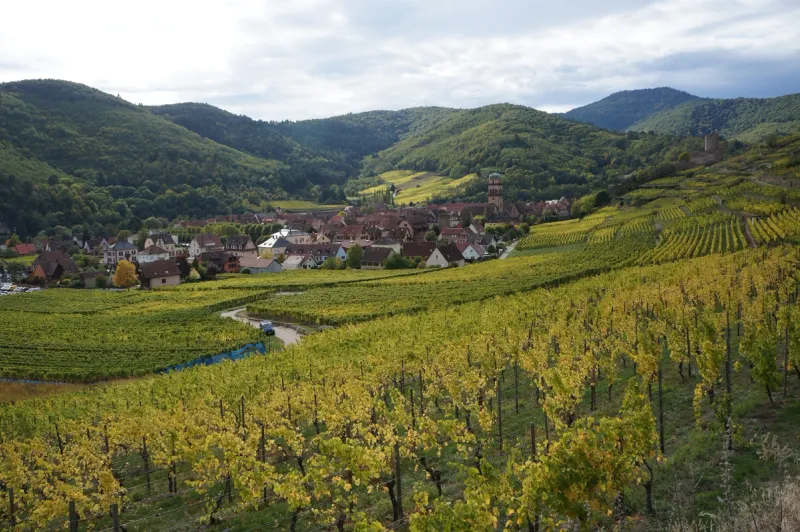
Alsace has been German and now French in it’s time. The hinterland between these two great cultures is reflected in the mix of grown varieties including Riesling, Pinot Blanc, Pinot Gris, Gewurztraminer and Muscat.
In some cases, the variety is mentioned on the bottle label – verboten in the rest of France – but the direction many are taking is to mention the vineyard name particularly if made from one of its 50 plus grand crus. The whites are white, dry (sometimes with residual sweetness), aromatic, without oak and smokey. The Pinot Noir made there is fresh, fruity and light but improving.
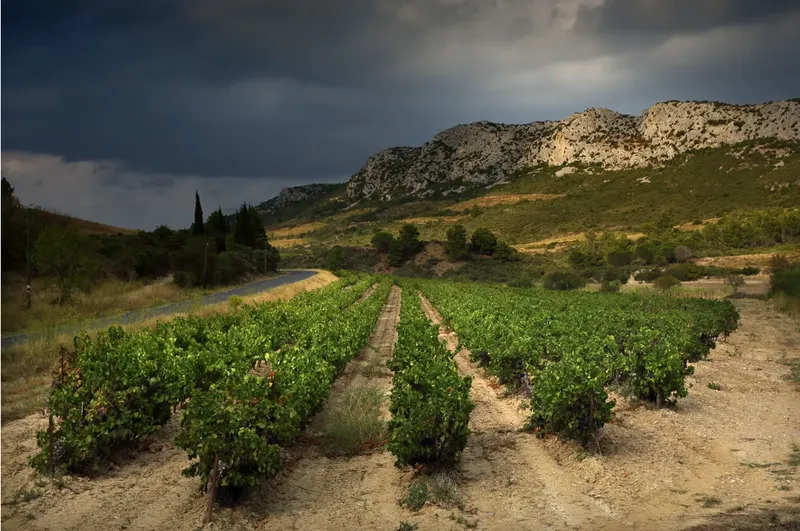
LANGUEDOC-ROUSSILLON
Red: Syrah, Grenache, Carignan, Merlot, Cabernet Sauvignon, Cinsault
White: Chardonnay, Sauvignon Blanc, Muscat, Grenache Blanc
A huge wine region ranging from the southern Rhône to the Pyrenean foothills bordering Spain. For years it was a useful, inexpensive source of plonk used to pad or balance out wines from more expensive, cooler regions where the weather didn’t aid ripening and the taking on of sugar necessary for fermentation.
This is changing as the generic stuff the large scale makers focus on – like Merlot and Chardonnay – are supplemented by small scale producers making wines that speak for their appellation. Here 2-3 varietals are blended often using Mourvèdre to add spice and interest. Appellations of note include Faugères, Corbières, Minervois, St Chinian and Fitou. The whites are often textured and rich. Banyuls, on the coast just north of Spain, makes a rich, sweet, sticky French version of Port; the unfortified version of which is named Collioure.
Explore more?
Fancy a vinous tour of France without leaving home? Discover French wine via our expert curated subscription boxes. Consider it the wine equivalent of having a well-read mate with excellent taste curate your reading list—minus the obscure Russian novel they insist will change your life.
Also, satisfy your wanderlust with our Italy plus USA, Spain, Germany and Austria country guides.
TL;DR
What are the 10 main French wine regions?
Bordeaux, Burgundy, Champagne, Loire Valley, Rhône Valley, Alsace, Jura, Languedoc-Roussillon, Beaujolais, and Chablis.
Which French wine region is best for beginners?
Loire Valley offers the most approachable styles, from crisp Sancerre to light Chinon reds.
What makes French wine regions special?
Strict appellation laws, centuries of terroir knowledge, and grape varieties grown in their ideal climates.
Most expensive French wine regions:
Burgundy's Grand Crus, Bordeaux's First Growths, and vintage Champagne command the highest prices.
Best value French wine regions:
Beaujolais, Southern Rhône, and Loire Valley offer exceptional quality-to-price ratios.
How do French appellations work?
AOC (Appellation d'Origine Contrôlée) laws specify which grapes can be grown where and how wines must be made in each region.
Ready to explore French wine regions? Discover our French wine selections curated from small producers across these legendary appellations.
French Wine Producers
France remains the reference point for fine wine. Not because of tradition alone, but because its best producers continue to push boundaries while honouring terroir.
This guide covers over 170 domaines across France's major regions. Each producer is here because they make wines worth seeking out.
Burgundy
30 producers across the Côte d'Or, from legendary Meursault estates to the natural wine pioneers of Morgon. Domaines Rousseau, Roumier, Leroy, Coche-Dury, and the quiet revolutionaries reshaping Beaujolais.
Loire
30 producers spanning Savennières, Saumur, Chinon, Vouvray, Sancerre and beyond. France's most diverse wine region, from Boudignon's electric Chenin to Dagueneau's singular Pouilly-Fumé.
Jura & Savoie
20 producers in France's most distinctive regions. Indigenous varieties, oxidative traditions, natural wine before the term existed. Overnoy, Ganevat, Tissot, and the Alpine pioneers of Savoie.
Read the Jura & Savoie guide →
Rhône & Southern France
60 producers from Côte-Rôtie's granite to Bandol's schist and Corsica's indigenous varieties. Chave, Allemand, Tempier, and the transformation underway in Languedoc-Roussillon.
Read the Rhône & Southern France guide →
Bordeaux
20 estates redefining Bordeaux today. From biodynamic first growths like Palmer and Pontet-Canet to Right Bank legends Petrus and Lafleur, plus the outsiders proving great wine needs no classification.
Alsace
20 domaines from Ribeauvillé to Thann. Dry, mineral, age-worthy whites that rival Burgundy. Trimbach's Clos Sainte Hune, Zind-Humbrecht's biodynamic range, and the terroir radicals proving Alsace deserves far more attention.
How we select
Every producer meets three criteria:
- Integrity – Organic, biodynamic, or demonstrably moving in that direction
- Transparency – Indigenous yeasts, minimal intervention, terroir over formula
- Voice – Wines that taste like somewhere and someone
EXPLORE MORE WITH TASTE DECODED
- Watch: Michael Sager on how to taste like a somm
- Read: Charles Spence on Sensory Science
- Article: What Makes Wine Cheap vs Expensive
- Guide: Italian wine regions guide
- Bonus: Spain, Germany, Australia, Argentina, South Africa and the USA country guides
Frequently Asked Questions About French Wine Regions
Which French wine regions are most important?
The most significant French wine regions include Bordeaux, Burgundy, Champagne, Loire Valley, and Rhône Valley. These wine districts of France produce the majority of internationally recognised French wines and established the templates that influence winemaking worldwide.
How many wine regions does France have?
France has over 300 wine appellations across 13 major wine regions, making it one of the world's most complex wine district systems. Each region maintains strict appellation controls that define quality and style.
What makes French wine regions special?
French wine districts combine ideal climate, soil, and centuries of winemaking tradition under strict appellation laws (AOC) that ensure quality and authenticity. This terroir-focused approach has influenced global winemaking standards.
Which French wine region should beginners start with?
Loire Valley and the Rhône offer excellent entry-point wines with diverse styles at approachable prices. Alternatively, basic Bordeaux and Burgundy provide introductions to France's most prestigious wine districts.
How do French wine regions compare to other countries?
French wine regions established the global template for quality winemaking. While New World regions offer different styles, France's appellation system and terroir focus remain the international gold standard.