
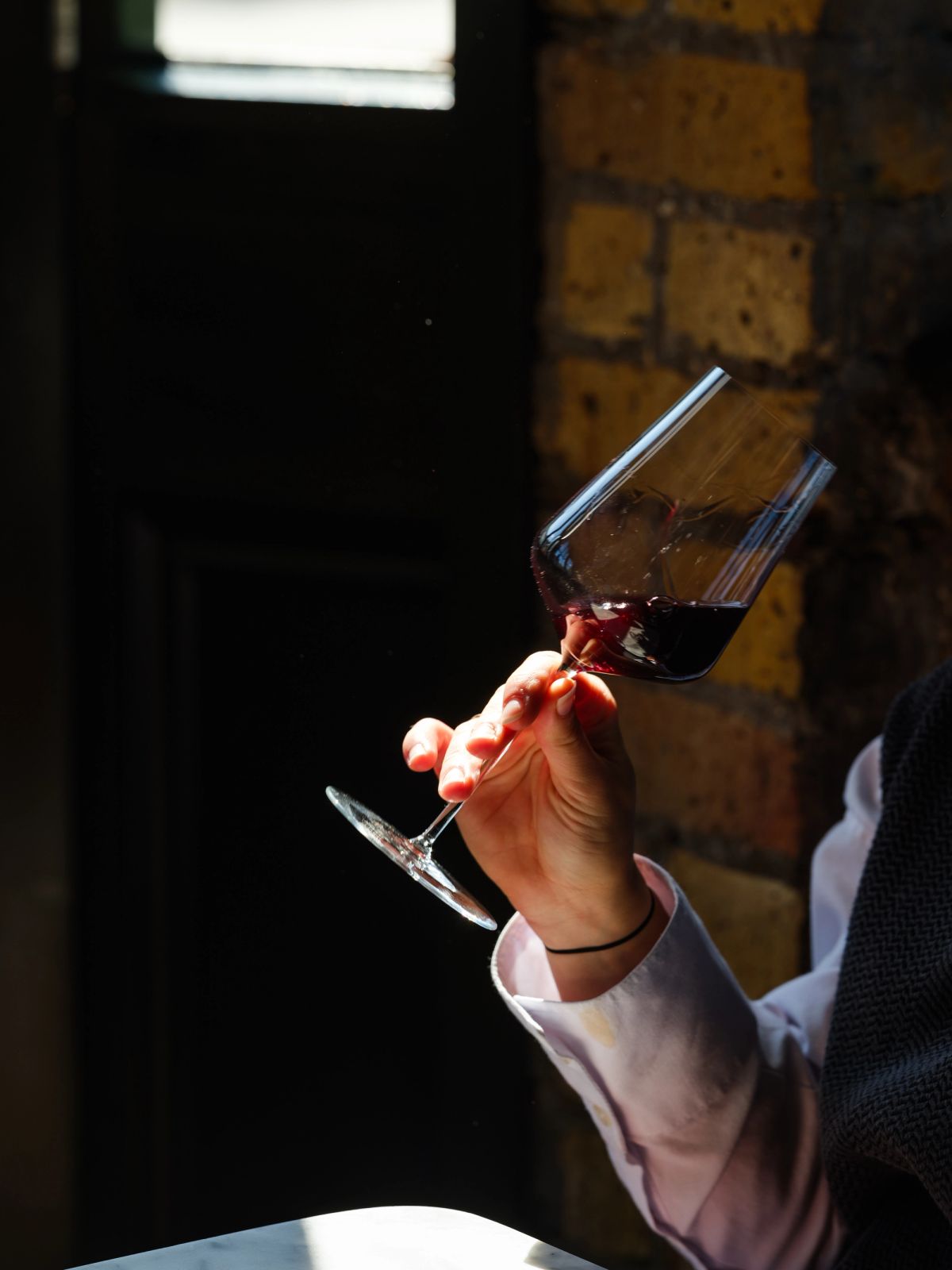
THE CONTEXT EFFECT: HOW SETTING, COMPANY AND MOOD CHANGE WINE TASTE
That Etna Rosso hadn't changed composition between London and Sicily. Same producer, same vintage, same storage conditions. Yet somehow the saline minerality that sang against Mediterranean light felt muted under grey skies and fluorescent bulbs. The wine hadn't lied to you – context had edited your perception.
Here's the liberation: if surroundings can mute a wine, they can also lift it. You've been chasing perfect bottles when you could be curating perfect moments. As behavioural economist Rory Sutherland reminds us, we don’t value things; we value their meaning. What they are is determined by physics, but what they mean is determined by psychology.
This isn't about self-deception or lifestyle theatre. It's about recognising that taste happens in your brain, not just your mouth – and your brain processes far more than the liquid hitting your palate.
THE SCIENCE OF SENSORY CONTEXT
Professor Charles Spence's research at Oxford reveals how profoundly surroundings shape flavour perception. Change the music and you've literally changed the wine in measurable ways.
Sound and Flavour Interaction
High-pitched, bright music (strings, percussion) boosts perceived acidity and freshness. That Sancerre tastes crisper with Vivaldi than with Wagner. Conversely, low-pitched, legato compositions can deepen perceived body and tannin structure – your Barolo gains gravitas with a bass-heavy soundtrack.
This isn't psychological suggestion; it's neurological crosswiring. Professor Charles Spence, Oxford University's crossmodal psychologist, calls these "flavour–sound correspondences." When sommelier-level critics taste professionally, they instinctively seek neutral acoustic environments to avoid these influences.
Light and Colour Effects
Warm lighting shifts perception towards sweetness and roundness; cool lighting emphasises crispness and minerality. The restaurant designer who bathes your table in candlelight isn't just creating romance – they're making that Côtes du Rhône taste richer.
Table colour matters too. White plates and linen emphasise fruit expression; slate and dark surfaces highlight mineral characteristics. Wine bars deploying black granite understand this psychology.
Temperature and Glassware Variables
A 2–3°C temperature shift changes aromatic expression dramatically. Most home wine service runs too warm for reds (18–20°C rather than optimal 14–16°C) and too cold for whites (6–8°C rather than 10–12°C). These seemingly minor differences alter perceived alcohol, acidity, and fruit intensity.
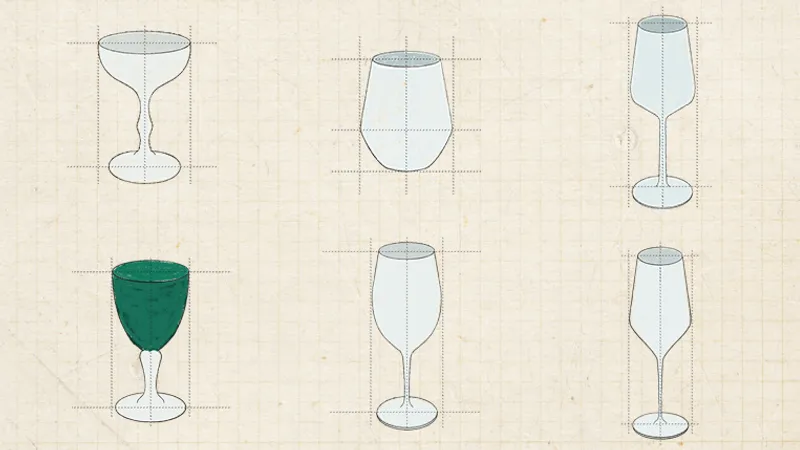
Bowl size affects volatility and alcohol emphasis. Large bowls concentrate aromatics but may emphasise alcohol heat. Smaller tulips focus delicate notes but might suppress generous wines. The glass isn't neutral – it's an instrument.
What's the right serving temperature for wine →
Expectation and Priming
Labels, service theatre, and language shape flavour prediction before you taste. The sommelier who describes "mineral precision" primes you to notice saline notes; the friend who mentions "jammy fruit" tilts perception towards sweetness.
This isn't weakness – it's how brains work. Understanding expectation bias means you can use it deliberately rather than being manipulated by it.
THE SOCIAL LAYER OF TASTE
Wine doesn't exist in isolation. It exists in moments, with people, within stories that give meaning to the liquid.
Shared Reality and Social Proof
We unconsciously calibrate to group responses. When everyone at the table appreciates a wine, your own perception shifts positive. The toast changes hedonic tone – suddenly the same Prosecco feels more celebratory, more special.
This collective effervescence isn't fake; it's fundamental to how humans experience pleasure. Fighting it misses the point. The goal isn't to taste in sensory isolation but to understand how social context shapes experience.
Event Bias and Memory Formation
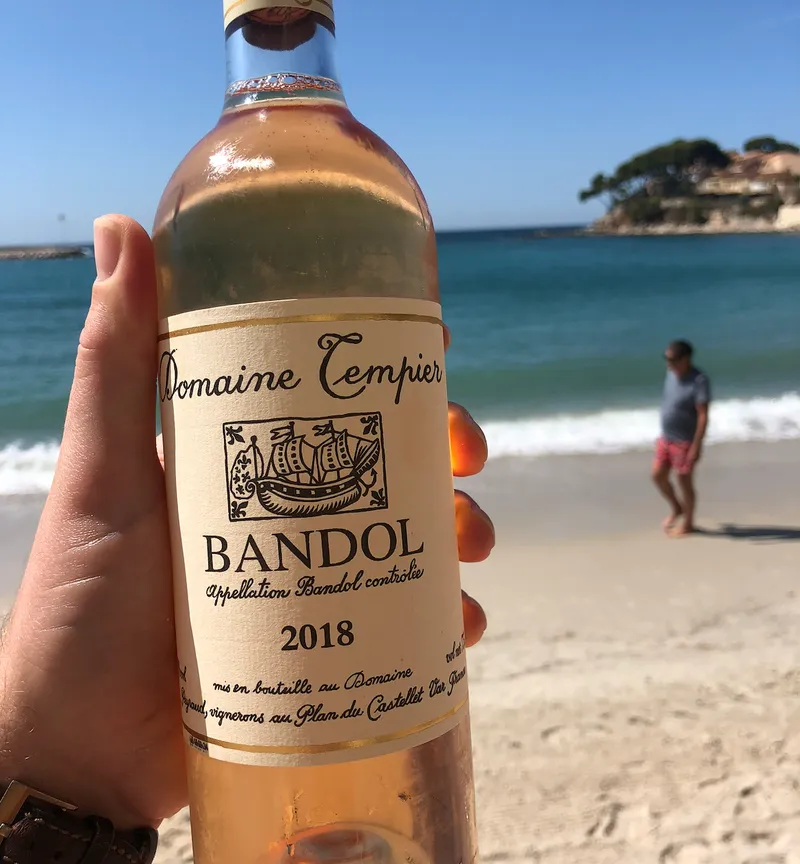
Nostalgia inflates subsequent ratings through what psychologists call the "reminiscence bump." That holiday rosé you remember fondly may disappoint at home not because the wine changed, but because the context created the magic.
Status cues, framing and ritual shape perceived value and taste. The wine served with ceremony feels more important than the same bottle opened casually. A £40 bottle poured blind might lose to a £15 wine served with theatre.
Banking Joy Without Distorting Judgement
How do you preserve magical wine moments without buying overpriced bottles chasing impossible recreation?
Remember vs Repeat Framework:
Remember the moment: The sunset, the company, the conversation, the feeling
Repeat the conditions, not necessarily the bottle: Same producer or region, similar style, but recreate the context that made it special
If that Provence rosé sang during your Mediterranean holiday, find a different producer from the same appellation. The terroir connection triggers memory whilst avoiding the disappointment of impossible recreation.
As Jancis Robinson writes, “There is no such thing as objectivity in wine tasting.” Context is always in the room; the trick is using it consciously rather than being used by it.
ENGINEERING THE PERFECT MOMENT
Understanding context means you can design it. The Context Wheel has six spokes, each adjustable to enhance your wine experience.
The Six Context Variables
- Setting: Lighting, temperature, visual environment
- Company: Solo contemplation vs social sharing
- Food: Pairing interactions and palate preparation
- Music: Sonic landscape and emotional priming
- Glassware/Temperature: Serving mechanics and aromatics
- Timing/Pace: Rhythm and attention deployment
Food as Context Catalyst
Salt and acid lift fruit expression; umami can flatten tannic reds. Understanding these interactions means you can compensate strategically. That aggressive young Cabernet needs protein to bind tannins, or umami-rich foods (aged cheese, mushrooms) to provide textural counterpoint.
Anchovy butter on toast doesn't just pair with wine – it primes your palate for saline minerality. The aperitif olive enhances fruit perception in whatever follows.
Musical Programming
Create playlists for different wine styles:
Crisp & Bright: String quartets, light percussion, higher registers
Deep & Plush: Lower-mid frequencies, legato compositions, bass presence
This isn't wine snobbery – it's applied neuroscience. The frequencies that make you perceive higher acidity are measurable phenomena.
Listen: Ourglass Wine Context Playlists on Spotify →
Lighting Strategy
Warmer light for plush reds; cooler light for mineral whites. Dimmer switches aren't just for ambience – they're flavour controls.
Avoid fluorescent lighting, which flattens colour perception and creates harsh sensory environments. Natural light provides the most accurate colour assessment but may feel too analytical for pleasure drinking.
Glassware and Temperature Precision
Temperature Targets:
- Crisp whites: 8–10°C
- Textured whites: 10–12°C
- Light reds: 14–16°C
- Structured reds: 16–18°C
- Champagne: 8–10°C
Glass Selection: Small tulips for aromatic focus; larger bowls for generous wines requiring space to breathe. The ISO glass (the small tulip used in professional tastings) works for analysis; varietal-specific shapes optimise pleasure.
Timing and Pace Control
Small pours allow wines to evolve in glass. Serve at two temperatures – cooler initially, warmer after 15 minutes. Many wines show completely different characters as they warm, essentially giving you two wines from one bottle.
Ready to engineer your perfect wine moment? Browse wines curated for context flexibility →
TUESDAY NIGHT RESCUE: AN EXAMPLE
That £12 Côtes du Rhône reading flat and unremarkable? Deploy the context levers:
Temperature: Drop to 15°C (most reds served too warm at home)
Light: Dim to warm incandescent or candlelight
Sound: Queue bass-mid frequency playlist
Food: Add salt/fat catalyst (anchovy toast, aged Comté, olives)
Glass: Larger bowl, smaller pours
Time: Two swirls, five-minute wait, re-taste
You haven't changed the wine – you've optimised the conditions for perception. That sulky bottle just found its voice. This framework works as well for a £12 supermarket red as for a £50 Barolo.
"The goal isn't manipulation but amplification. You're designing for joy, not faking flavour."
Context doesn't make bad wine good, but it can make good wine sing.
Beyond Circumstance: Owning Your Experience
This completes the liberation trilogy that began with price and progressed through palate development. Price freed your wallet from false signals. Palate evolution freed your taste from past limitations. Context mastery frees your experience from circumstance.
The "best bottle" is often simply the right wine in the right moment, on your terms. Understanding context means you stop being victim to environmental chance and start being architect of experience.
You've learned that expensive doesn't mean better, that taste evolves with intention, and that surroundings shape perception as much as vintage or terroir. These aren't separate insights – they're connected principles of conscious wine appreciation.
The next time that holiday wine disappoints at home, you'll know exactly what happened and exactly how to fix it. Not by finding a better bottle, but by recreating the conditions that made the original magical.
Wine happens in moments. Now you know how to design them.
FREQUENTLY ASKED QUESTIONS
Q: Why does wine taste better on holiday?
A: Context shapes perception. Sunshine, relaxation, and social setting enhance flavour memory. The same bottle at home may disappoint without those cues.
Q: Does music really change wine taste?
A: Yes. Research shows high-pitch music boosts perceived acidity whilst bass tones enhance body and depth.
Q: How can I make weekday wine taste better?
A: Adjust six context levers: temperature, lighting, music, food, company, and pace. Even small tweaks (e.g. cooling reds to 15°C) can transform perception.
Q: What temperature should I serve red wine?
A: Most reds taste best at 14-16°C, cooler than typical room temperature. Light reds like Pinot Noir work well at 14°C; structured reds like Barolo at 16-18°C.
Q: Does glassware really matter?
A: Yes. Bowl size affects aromatic concentration and alcohol perception. Smaller tulips focus delicate aromatics; larger bowls suit generous wines needing space.
QUICK REFERENCE
Five-Minute Experiments
Music Swap Test: Pour one wine; play bright, high-pitch track for 60 seconds and note perceived acidity; switch to bass-rich track for 60 seconds and observe body/tannin shift.
Colour Nudge: Compare same wine on white plate versus slate backdrop – notice perceived minerality versus fruit lift.
Nostalgia Test
Re-taste beloved "holiday wines" blind at home. If they disappoint, find adjacent producers from the same region matching structure rather than chasing identical labels.
Context Killers to Avoid
- Over-bright fluorescent lighting
- Dishwasher film residue on glasses
- Serving reds at 21–22°C room temperature
- Perfume or scented candles masking aromatics
- Loud conversation preventing aromatic concentration
CONTINUE EXPLORING TASTE DECODED
The Liberation Series:
- The Wine Sweet Spot: Why Price vs Value Changes Everything – Free your wallet from false signals
- How Taste Works: The Science of Wine Flavour and Memory – Free your taste from limitations
- You Are What You Are Drink – Free yourself from outdated assumptions
Watch the series:
- Rankin on Tasting First with Instinct, then Intellect
- Charles Spence on Sensory Science
- Full Taste Decoded Hub
Related Reading:
Master the context. Own your experience.
Understanding how context shapes taste is just the beginning. Join Ourglass to receive wines curated for real life – bottles that sing in Tuesday night kitchens, not just Michelin-starred dining rooms.
About the Authors
Charles Spence is Professor of Experimental Psychology at Oxford University and the world's leading authority on multisensory taste perception. His research demonstrates how context – music, lighting, company, atmosphere – changes everything we taste. Author of Gastrophysics, he advises Michelin-starred restaurants and global brands on sensory design. For Taste Decoded, he reveals how wine taste is constructed by environment, not just the bottle.
Benedict Johnson is the founder of Ourglass, a London-based taste platform dedicated to helping people become confident wine lovers. He writes on the economics of flavour and the psychology of choice, and curates the Taste Decoded series, which brings together sommeliers, communicators, academics and creatives to decode what "great" actually tastes like.