
How to Read Wine Labels: Complete Guide for Beginners
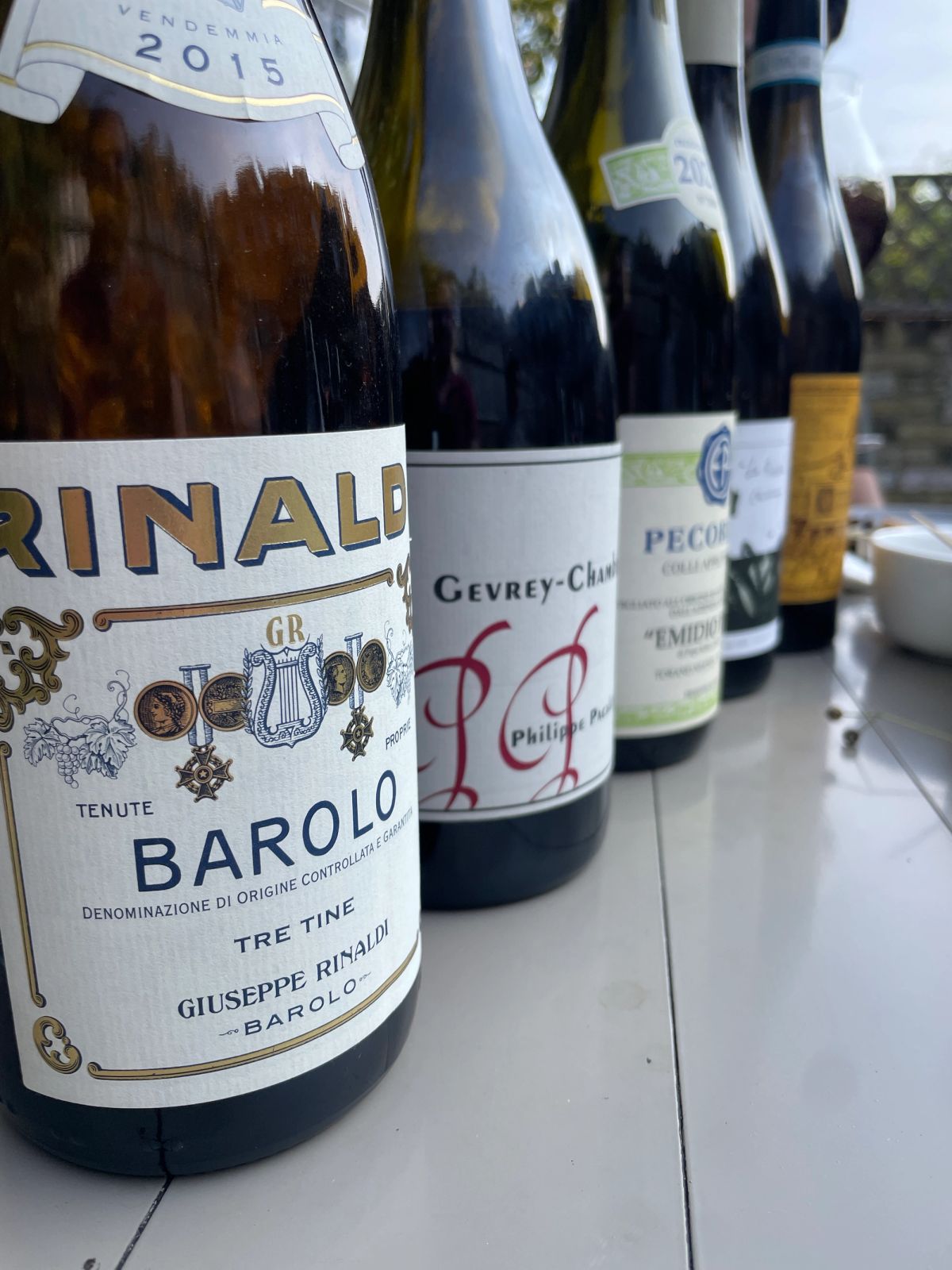
FRENCH WINE LABELS
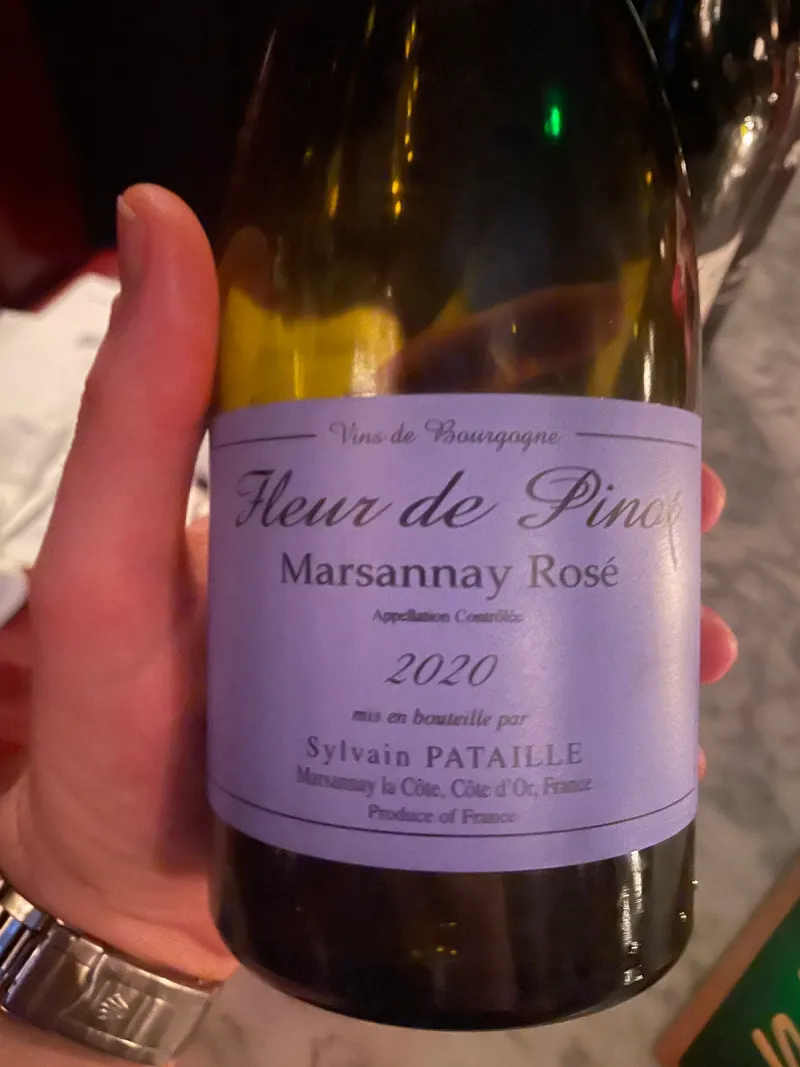
France has the most comprehensive system of wine classification and relatedly labelling in the world.
While there are inevitable exceptions – wines that either surpass their designated “class” or fail to meet their appellation standards – almost every French wine should provide a reasonably clear indication of its quality and style through its label.
Generally, the French legal and labeling system operates on a hierarchical pyramid structure. At the apex are the grand crus, further divided into the Médoc into first, second, third, fourth, and fifth growths, or crus. Below these, or instead of them, certain regions have premiers crus, which are marginally superior to village wines from specifically named villages. Moving down the pyramid are the regional designations, ranging from the highly precise Beaujolais villages to the vast Bordeaux region. In every case, while the type of grapes used and the winemaking techniques are dictated by law, the fundamental quality of the wine originates from the unique character (climate or soil, for instance) of specific vineyards and regions.
• Alsace: white and also red wine region
• AOC (Appellation d’Origine Contrôlée): quality control designation for the best wines, guaranteeing provenance and grape variety
• Blanc de Blancs: white wine made from white grapes – usually sparkling
• Bordeaux: red and white wine region
• Bourgogne: red and white wine region
• Brut: dry
• Brut zéro/sauvage/intégral: bone dry – used to describe champagne
• Cabernet Sauvignon: red grape variety – used particularly for Bordeaux
• Cave: cellar
• Cave coopérative: cooperative
• Cépage: grape variety
• Chai: cellar – usually Bordeaux
• Chardonnay: white grape variety – Burgundy, champagne
• Château: any wine estate with a building
• Claret: red Bordeaux
• CM (Coopérative-manipulant): code on champagne label for wine made by a cooperative
• Côte/Coteaux: hillside
• Crémant: in champagne, less fizzy than usual wine; otherwise AOC sparkling wine made by méthode champenoise
• Cru bourgeois: Bordeaux just beneath the cru classé level
• Cru classé: Bordeaux classified historically as of a certain quality, e.g. first, second, third growth
• Cuve close: sparkling wine made by the tank method
• Cuvée: selected vat
• Domaine: any wine estate
• Doux: sweet
• Edelzwicker: Alsace blended wine
• Extra dry: champagne – less dry than sec
• Gewürztraminer: Alsace grape
• Grand cru: the best or one of the best vineyards in a particular commune
• Vin gris/Gris de gris: pale rosé
• MA (Marque Auxiliaire): champagne labelled under a secondary brand
• Marque déposée: trademark
• Méthode champenoise: soon-to-be-outlawed description of wine made by the champagne method
• Millésime: vintage
• Mise en bouteille: bottled
• Moelleux: sweet
• Négociant (négociant-éleveur): merchant
• NM (négociant-manipulant): champagne made by a large négociant – i.e. all famous champagne
• Nouveau: wine sold within months of the harvest – e.g. Beaujolais
• Perle: slightly sparkling
• Pétillant: slightly sparkling
• Pinot Noir: red grape, principally in Burgundy
• Premier cru: a better vineyard
• Primeur: see nouveau
• RD (récemment dégorgé): champagne left on its yeast for longer than usual
• RM (récoltant-manipulant): champagne made by an individual grower
• Sec: dry but less dry than brut in champagne
• Sélection: by itself, meaningless, but as…
• Sélection de grains nobles: late harvest (Alsace), an indication of sweet quality
• Supérieur: an AOC with 1% more alcohol
• Sur lie: bottled on its yeast – usually Muscadet
• Sylvaner: Alsace grapes
• Syrah: Rhône red grapes
• Tokay: Alsace name for Pinot Gris grapes
• Vendange tardive: late harvest (Alsace)
• Villages: AOC for best part of the appellation – e.g. Beaujolais Villages
• Vin de pays: country wine
• Vin de table: basic wine
• VDQS (vin délimité de qualité supérieur): quality level between vin de pays and Appellation Contrôlée
• Vin doux naturel: sweet, slightly fortified wine
• Vin jaune: sherry-like wine made in the Jura, eastern France
NB: French wine labels rarely mention grape varieties, making it essential to understand the regional context behind French wine labels to decipher what's in the bottle.
ITALIAN WINE LABELS
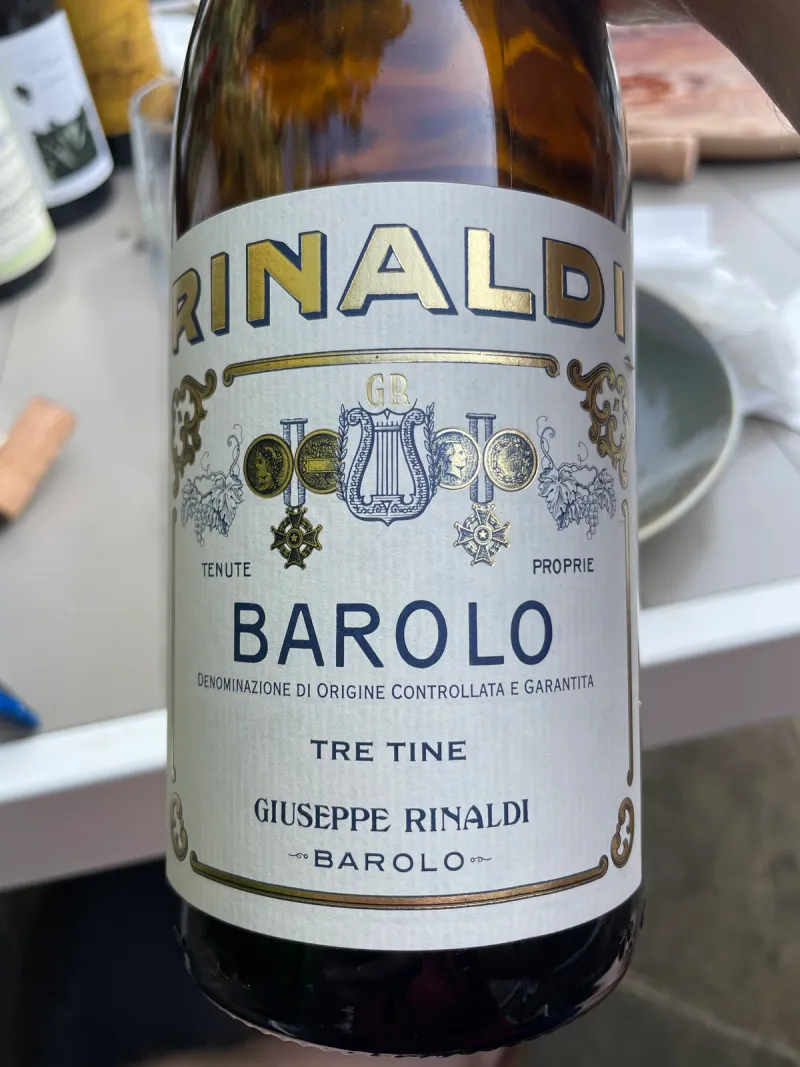
Italy’s wine labels are renowned for their striking “design” and “artistic” flair, as evidenced by other examples in this book. This emphasis on aesthetics sometimes leads to the disregard of labeling laws that apply to all EU winemaking countries in favor of producing visually appealing bottles. Nevertheless, certain terms should be prominently featured on Italian wine labels.
One important note: be cautious of the term “vino da tavola,” which literally translates to “table wine.” This label encompasses a wide range of wines, from the most affordable and potentially subpar to some of the most expensive and exceptional. Unfortunately, the shortcomings of the Italian legal appellation system have prompted enterprising winemakers to opt out and sell their wines under their own names rather than with a regional designation.
• Alto Adige: wine region, also Süd Tirol
• Amabile: semi-sweet
• Amaro: bitter
• Annata: vintage
• Asti: wine region
• Azienda: estate
• Barbaresco: red wine
• Barbera: red wine and grape
• Bardolino: red wine
• Barolo: red wine
• Bianco: white wine
• Brunello: black grape and wine
• Brunello di Montalcino: red wine
• Cabernet: black grape and wine
• Cantina: winery
• Carmignano: red wine
• Casa vinicola: wine producer – usually merchant
• Charmat: sparkling wine made by the tank method, producing less high-quality wine
• Chiaretto: pale red/rosé
• Classico: theoretically the best, traditional vineyards within a region – e.g., Chianti Classico
• Colle/Colli: hill/s
• Consorzio: consortium of growers – e.g., Chianti Putto, Corvo Sicilian estate
• DOC (Denominazione di Origine Controllata): Italy’s less thorough equivalent of Appellation Contrôlée
• DOCG (Denominazione di Origine Controllata e Garantita): stricter version of DOC, operating in a limited number of regions
• Dolce: sweet
• Dolcetto: dry red wine
• Fattoria: estate
• Fermentazione naturale: cuve close, sparkling wine
• Frascati: white wine
• Frizzante: sparkling
• Galestrò: white wine
• Gavi: white wine
• Imbottigliato nell’origine: estate bottled
• Lambrusco: sparkling red and white wine
• Liquoroso: strong, usually sweet wine
• Malvasia: grape variety
• Marsala: sweet, fortified, Sicilian wine
• Montepulciano: red wine and grape of the same name
• Moscato: sweet fizzy wine
• Nebbiolo: black grape
• Nero: red, black
• Orvieto: white wine
• Passito: sweet, raisiny wine made from dried grapes
• Piedmont: wine region
• Prosecco: sparkling wine
• Putto: Chianti consortium
• Recioto: dry-sweet, raisiny wine
• Riserva: wine which has spent a specified long time in a barrel
• Riserva speciale: as above, but aged for longer
• Rosato: rosé
• Rosso: red
• Secco: dry
• Semi-secco: semi-dry
• Spumante: sparkling
• Stravecchio: extra old
• Sud Tirol: north-east wine region
• Superiore: usually wine which has undergone prolonged ageing
• Tenimento: estate
• Tenuta: estate
• Vendemmia: vintage
• VQPRD: group of quality-conscious producers
• Vigneto: vineyard
• Vino da pasto: basic table wine
• Vino novello: wine made within months of the harvest
• Vino da tavola: literally “table wine,” but including some of Italy’s very best
• Vin santo: sweet wine made from dried grapes
• Vitigno: grape variety
SPANISH LABELS
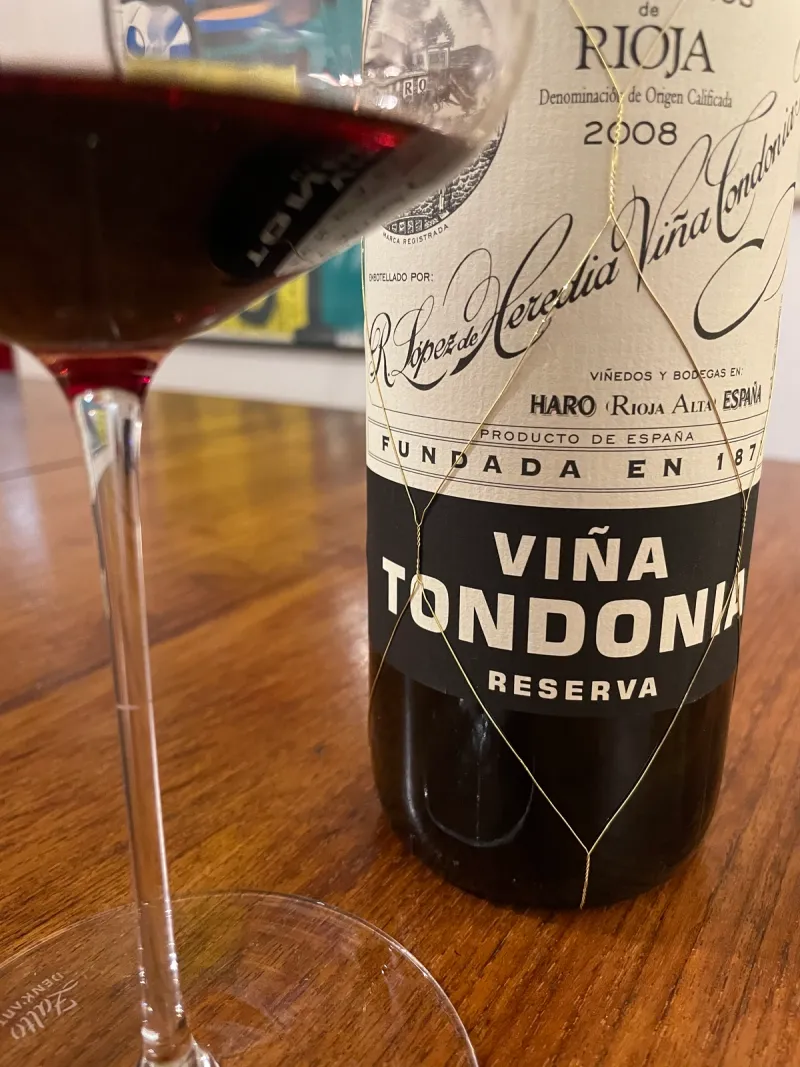
Spanish labels are much more informative than they used to be.
Previously, bottles on show in Spanish shops bore no vintage information, apart from the fact that a wine was a second, third or fourth año, which indicated the number of years it had spent in the barrel before bottling. Since there was no way of knowing how long the bottle might have been in the shop, the wine’s age remained a mystery – as did the quality of the vintage.
• Abocado: medium sweet
• Almacenista: old, unblended sherry
• Amontillado: aged fino sherry, usually medium dry – literally means “made like Montilla”
• Amoroso: sweet Oloroso
• Añada: sherry of a single year
• Año: year, often as a second or third year – the one in which the wine is bottled after cask ageing
• Blanco: white
• Bodega: winery
• Cariñena: confusingly, both the name of a region and of a red grape which does not produce much in that region’s wine
• Cava: champagne-method fizzy wine
• Clarete: pale red wine
• Con crianza: oak-aged – used for Rioja
• Cosecha: vintage
• DO (Denominación de Origen): Spain’s appellation system
• Dulce color: sweet, dark Malaga
• Embotellado por: bottled by
• Espumoso: sparkling
• Fino: pale, dry, delicate sherry
• Generoso: dessert, fortified, sweet wine
• Gran reserva: in Rioja, red wine which is at least seven years old with at least four years in barrel, or eight years in bottle. With white wines, the minimum ageing is four years, of which at least six months has to have been in barrel. Outside Rioja…
• Gran vas: cuve close fizzy wine
• Jerez: the only legal source for wine labelled “sherry”
• Jumilla: wine region
• Lagrima: finest quality Malaga
• Malaga: sweet, dessert wine
• Manzanilla: salty, fino-like wine made on the coast near Jerez
• Montilla: sherry-like, but unfortified wine from Montilla
• Navarra: wine region
• Oloroso: full-bodied – dry or sweet – sherry
• Pajarete: dry or medium dry Malaga
• Palo cortado: sherry which is a cross between Fino and Oloroso (rare)
• Pasado, pasada: good old Amontillado and Fino
• Penedès: wine region
• Reserva: red Rioja which is at least five years old, with two and a half years in cask; white Rioja, at least six months’ cask ageing. Red reservas from other regions must have had three years’ ageing, one in cask; for white wines, three years ageing, two in cask
• Rioja (Alta, Alavesa, Baja): wine region, and its sub-regions
• Rosado: rosé
• Secco: dry
• Semi-seco: semi-dry
• Sin crianza: non-aged
• Tinto: red
• Valdepeñas: wine region
• Vendimia: vintage
PORTUGUESE LABELS
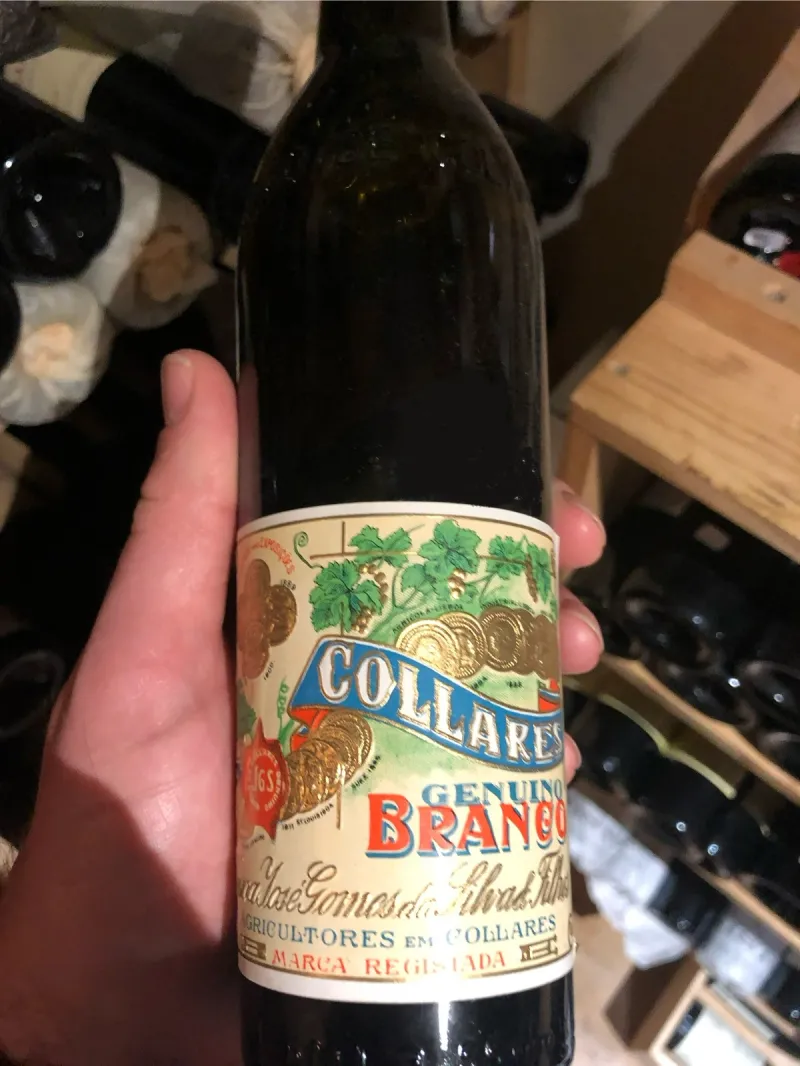
Although Portugal has a well-established system of regional appellations, it also has a longstanding tradition of producing exceptional wines that don’t fit within that system. While Portuguese wine enthusiasts may specifically request a Douro or a Bairrada, they are often content with choosing between a Vinho Verde (a young wine, red or white) and a Vinho Maduro (an older wine). The unfortunate fact that Vinho Verde also refers to a vast demarcated region and that old bottles of this “drink-young-at-all-costs” wine are frequently found in Portugal is a cause for concern. Equally frustrating is the lack of uniformity in how individual producers label their wine garrafeira or reserva.
In theory, Portuguese wine producers are subject to strict labeling regulations. However, the prevalence of meaningless terms like “very special,” “finest,” and “superior” does little to assist wine buyers. While there are plans to improve port-labeling practices, these changes may not be enough to address the current issues.
• Adega: winery
• Alvarinho: white grape variety
• Bairrada: red and white wine region
• Branco: white
• Bual: sweet Madeira — not quite as sweet as Malmsey
• Colheita: vintage Colheita port (unavailable in Britain) is a tawny port of a single vintage. To most people this is a contradiction in terms, as the best tawny is always a blend of several vintages
• Crusted, crusting: port of one or more vintages which has been bottled young, so needs decanting
• Dão: red and white wine region
• Douro: red and white wine region
• Dulce: sweet
• Engarrafado: bottled by
• Espumante: sparkling
• Garrafeira: of a particularly high quality — as determined by the producer, rather than by law
• Generoso: strong, sweet
• LBV (late bottled vintage): port aged between four to six years after the harvest — can be similar to vintage or ruby
• Madeira: fortified wine from the island of the same name
• Malmsey: very sweet Madeira
• Quinta: farm, estate
• Rainwater: dryish Madeira
• Região demarcada: designated region
• Reserva: a producer’s top quality wine
• Rosado: rosé
• Ruby: basic port
• Secco: dry
• Sercial: dry Madeira — not as dry as Verdelho
• Tawny: port which has aged for 20 or more years in the barrel. Cheaper versions are blends of ruby and white
• Tinto: red
• Velho, velhas: old
• Verdelho: very dry Madeira
• Vinho consumido baixo título: basic table wine
• Vinho doce: sweet wine
• Vinho maduro: mature wine
• Vinho verde: red and white wine from the region Vinho Verdes
• Vintage character: better quality ruby
• Vintage port: port of a declared year which has matured in bottle (rare)
GERMAN WINE LABELS
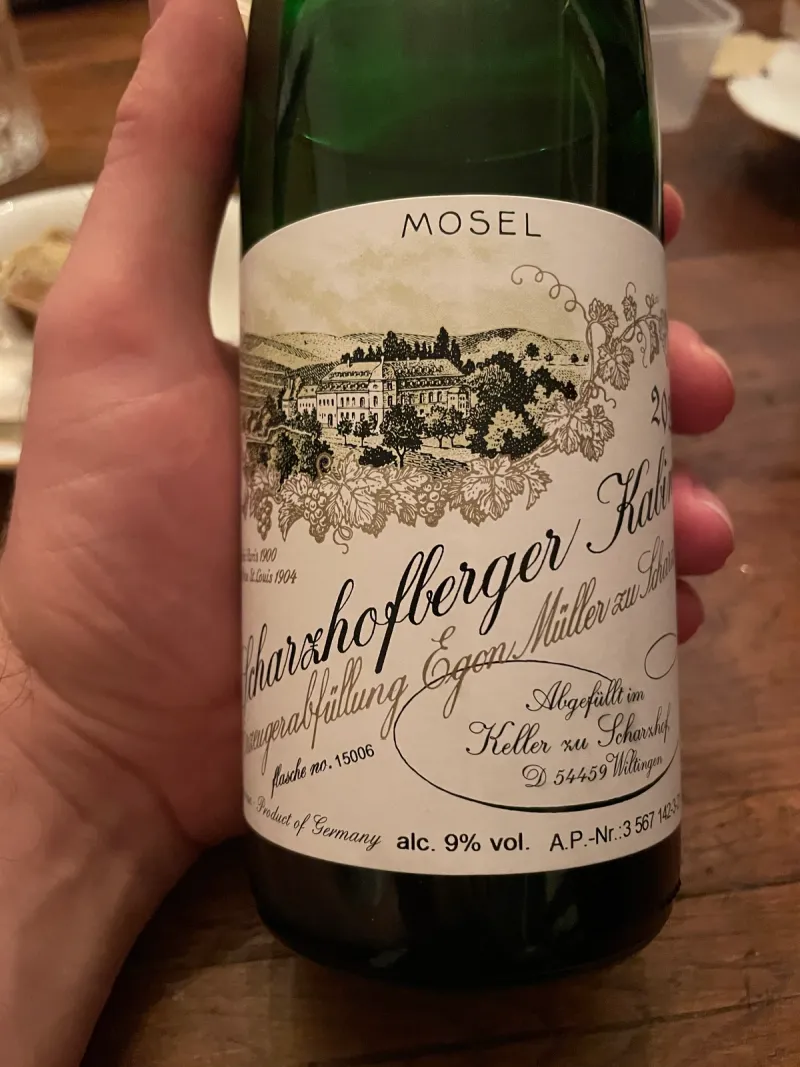
Deciphering German wine labels can be a challenge, even for Berliners. The intricate gothic script can sometimes be a bit tricky to read.
Next, you need to figure out which part of the label is the most important. Some vineyards and producers are known for making great wine, but the harsh German climate makes it hard to trust these labels as much as they might be in warmer climates.
The most important things to look for are the quality and sweetness level. The best wines are usually labeled QmP, not the ordinary QbA. The sweetness levels range from Kabinett to Trockenbeerenauslese. And the grape variety is also crucial.
• Ahr: wine region
• Abfüllung: bottling (as in bottled by)
• AP (amtliche prüfungsnummer): identifying code number on every bottle of wine sold
• Auslese: late harvest – sweeter than Spätlese, less sweet than Beerenauslese
• Baden: wine region
• Bereich: specified, though often undistinguished wine region – e.g., Bereich Nierstein
• Burg: castle
• Deutscher sekt: cuve close (often poor) fizzy wine which until recently was legally made from imported wine, despite its name
• Deutscher Tafelwein: German basic table wine – as opposed to blended EEC tafelwein
• Diabetiker weine: very dry wine – for diabetics
• Eiswein: very concentrated, rare, sweet wine made from grapes picked while frozen
• Erben: “heirs” – usually part of a producer’s name
• Erzeugerabfüllung: estate-bottled
• Franken: wine region
• Halbtrocken: almost dry
• Hessische Bergstrasse: small wine region
• Hock: wine from the Rhine
• Kabinett: driest, higher quality wine
• Landwein: basic dry wine
• Liebfraumilch: usually basic sweet wine from the Rhine, rarely seen in Germany
• Mittelrhein: wine region
• Mösel-Saar-Ruwer: wine region
• Morio-muskat: grape variety
• Müller-Thurgau: grape variety
• Nahe: wine region
• Originalabfüllung: estate-bottled
• Perlwein: slightly sparkling
• Prädikatswein/Weingut: quality wine estate
• QbA (Qualitätswein bestimmter Anbaugebiete): so-called “quality wine” from one of 11 specified regions, invariably sweetened with unfermented grape juice. Some of Germany’s poorest wine, including Liebfraumilch, is QbA
• QmP (Qualitätswein mit Prädikat): Genuinely quality wine – no added sweetening is allowed
• Rheingau: wine region
• Rheinhessen: wine region
• Riesling: Germany’s finest grape variety
• Rotwein: red wine
• Schaumwein: sparkling wine, more basic than sekt
• Schillerwein: Rotwein from Würtemberg
• Schloss: castle
• Sekt: cuve close sparkling wine
• Spätlese: medium sweet (usually), late picked wine – always of QmP standard
• Trocken: dry
• Trockenbeerenauslese: very, very late picked; extremely sweet
• Verband Deutscher Qualitäts- und Prädikatsweingüter: quality wine consortium
• Weingut: wine estate – only legally used on wine made from the estate’s own grapes
• Weissherbst: rosé made from a single grape variety
• Winzergenossenschaft: cooperative
AUSTRALIAN WINE LABELS
Australian wine labeling rules are a bit looser than in the US. Wines can be called “claret,” “Burgundy,” or “port,” but not champagne. Champagne has strict rules - it can only be made using the traditional method or a similar but not as good method.
Unlike the US, wines labeled with European names can be really good in Australia, even if they don’t taste exactly like the European wines. In fact, the same wine has won gold medals in both “claret” and “Burgundy” classes at Australian wine fairs more than once.
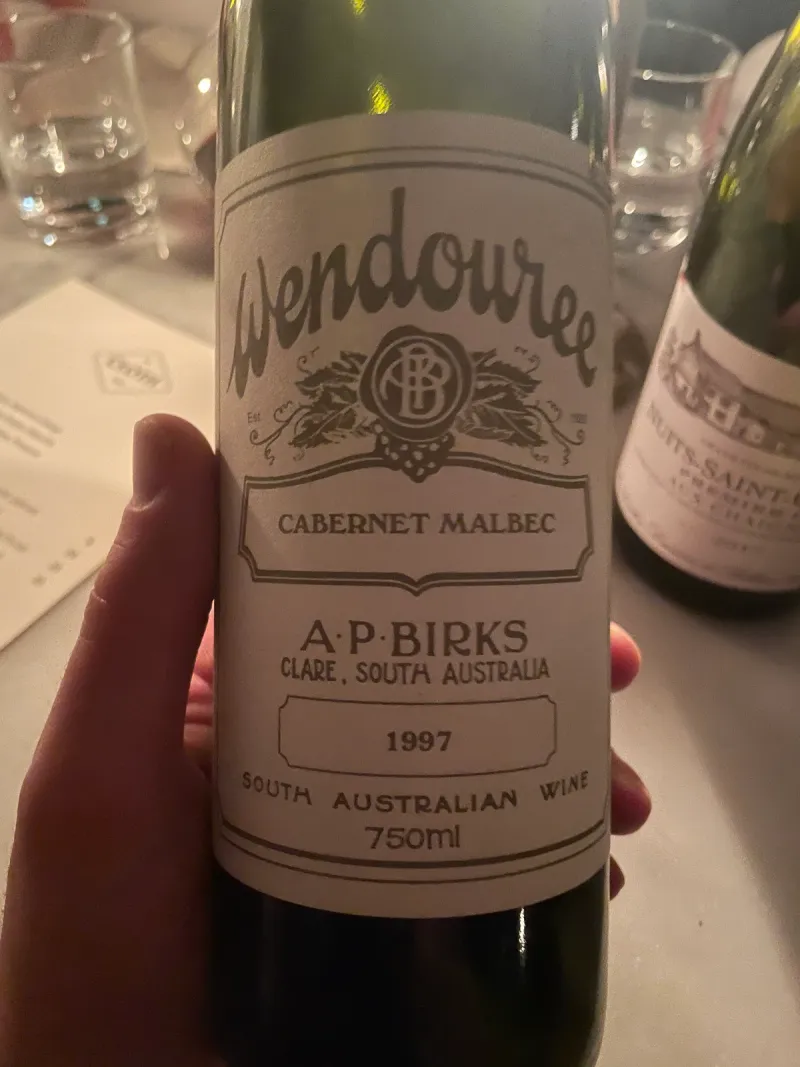
More and more wines are being labeled by their grape variety. Chardonnay and Cabernet Sauvignon are popular, but keep an eye out for unusual grape combinations. The Australians have shown they can mix Rhône grapes with Bordeaux grapes to make really good and unique wines.
• Bin: many Australian wines are known by “bin numbers” such as 111 or 999 – there seems little logic to the choice of numbers
• Champagne: sparkling wine made by Méthode Champenoise or by the transfer method
• Coonawarra: one of the up-and-coming wine regions – particularly for red wine
• Hermitage: Shiraz (q.v.), but can be a blend
• Hunter Valley Riesling: Semillon grape variety
• Rhine Riesling: the Riesling grape variety as distinct from Hunter Valley Riesling
• Shiraz: Syrah grape variety, used to make Hermitage in France
AMERICAN WINE LABELS
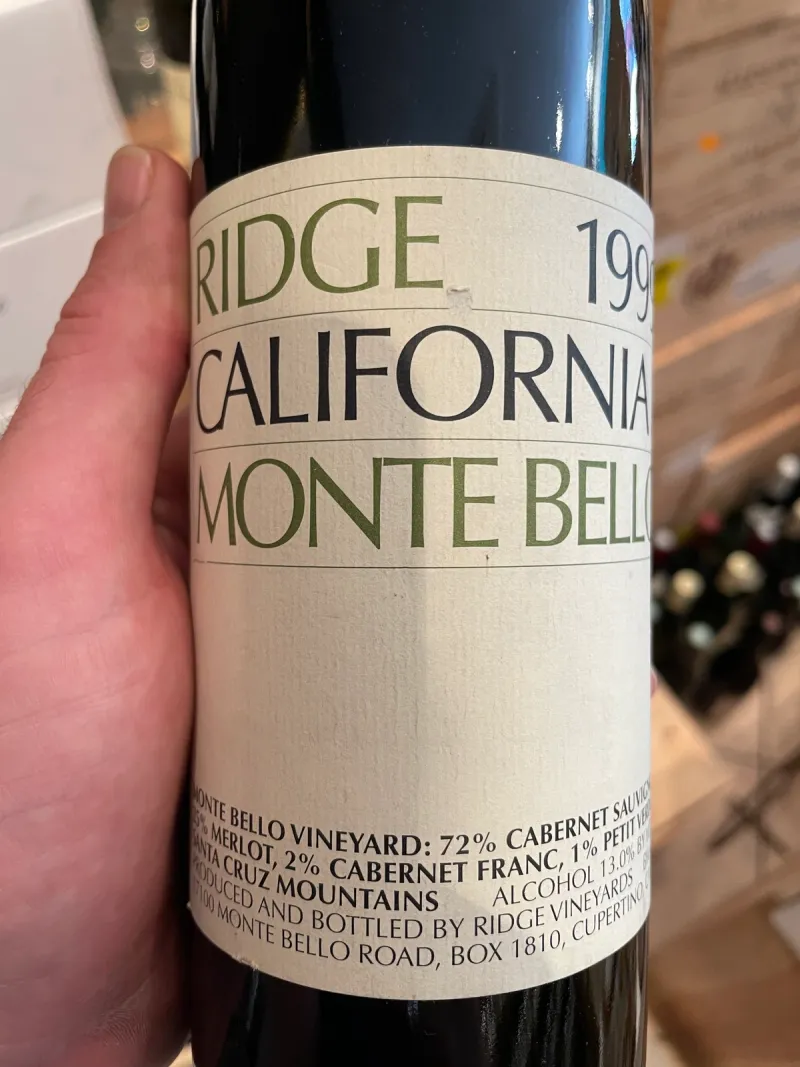
American wine labels are grouped into three categories: generic, varietal, and proprietary. Previously terms like “port,” “sherry,” “champagne,” “Burgundy,” “Chianti,” and “Chablis” were used to describe wines quite different to their European cousins.
Varietal labels are more common, stating the grape variety or varieties used to make a wine. Proprietary labels also feature, with names like Petite Rosé on wines of different styles.
• Blush: rosé by any other name
• Grey Riesling: a grape unrelated to the Riesling
• Johannisberg Riesling: uses the genuine Riesling grape
• Late Harvest: California’s answer to Auslese
• Light wines: wines with low alcohol levels
• Petite Sirah: a grape unrelated to the Syrah of the Rhône
• Private Reserve: a meaningless term used by wineries
• Reserve: a meaningless term used by wineries
• Riesling: quite probably the less distinguished Sylvaner whose wines can call themselves Riesling. More honest labelers call such wine “Sylvaner” or “Franken-Riesling.” Genuine Riesling is called Johannisberg Riesling
• Ruby Cabernet: Californian cross between Cabernet and Carignane (a variety the French know as Carignan). Other such crosses include the Carnine, Centurion and Cardinal
• Select Late Harvest: California’s answer to Beerenauslese
• Special Select Late Harvest: California’s answer to Trockenbeerenauslese
• Special Selection: a meaningless term used by wineries
• Vinifera: wine grapes, rather than Labrusca which, though used for wine, are eating grapes, and hybrids which are a cross between the two
• White: either white wine or, as in “White Zinfandel,” pink.
THIRSTY FOR MORE?
Fancy putting your label-reading skills to the test? Explore our wine subscription options – limited spots only – and receive expert picked wines with the stories behind every label. It's like having a foodie mate who ensures you go to the 'right' places when touring San Sebastian.
Wine labels often emphasise grape varieties, so learning about the key grapes you'll encounter on labels will help decode the potential style and flavour."
Also don't miss our Italy, USA, Germany, Spain and Australia wine region guides.