
The Collection
What to Drink Instead
Every wine you love is a door, not a destination. Behind the Malbec you order on autopilot sits a whole room you have not walked into. This is the map. Start with the wine you reach for, and see what waits one step beyond it.
A guide to wine alternatives: for every popular grape or style, the lesser-known bottles that scratch the same itch from a more interesting angle.
The Tyranny of the Familiar
It happens to everyone with taste. You find the wine that works, the Marlborough Sauvignon, the supermarket Rioja, the safe Prosecco, and it quietly becomes the only wine you buy. Not because you stopped being curious, but because the shelf rewards the familiar and the bottle you know will not embarrass you in front of guests.
This is how palates calcify. Not through bad taste, but through good-enough taste, repeated.
Taste rarely expands through optimisation. It expands through a single, specific, well-aimed step sideways. The Malbec drinker who is handed a Northern Rhône Syrah does not feel corrected. They feel the same plush dark fruit they came for, with something added: pepper, tension, a little more to say on a Thursday night. That is not a leap. It is the next room.
So this is not a list of wines we think are clever. It is a set of starting points, each one opening from a bottle you already trust, into something you have not met. Pick the wine you reach for. We will show you what waits one step beyond it.
Sparkling
Crisp Whites

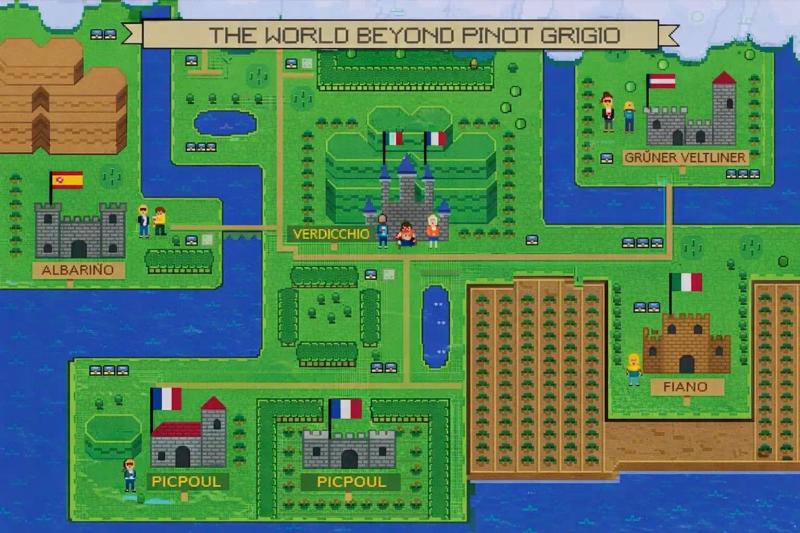
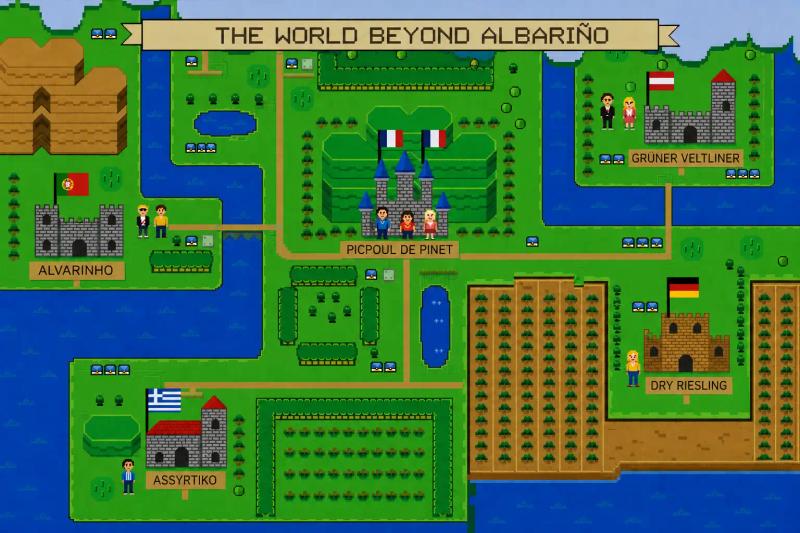
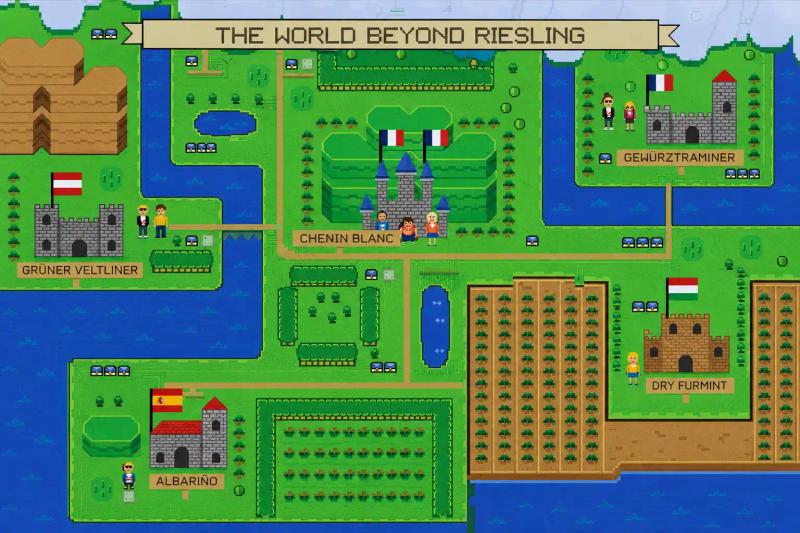
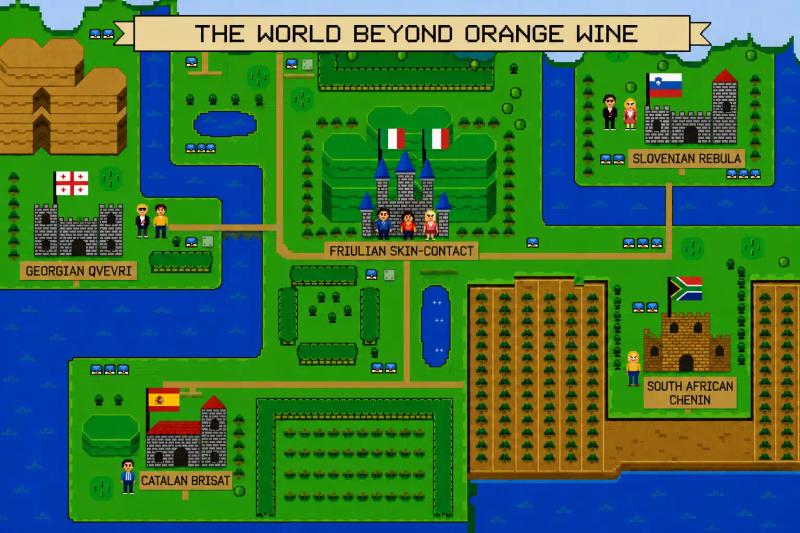
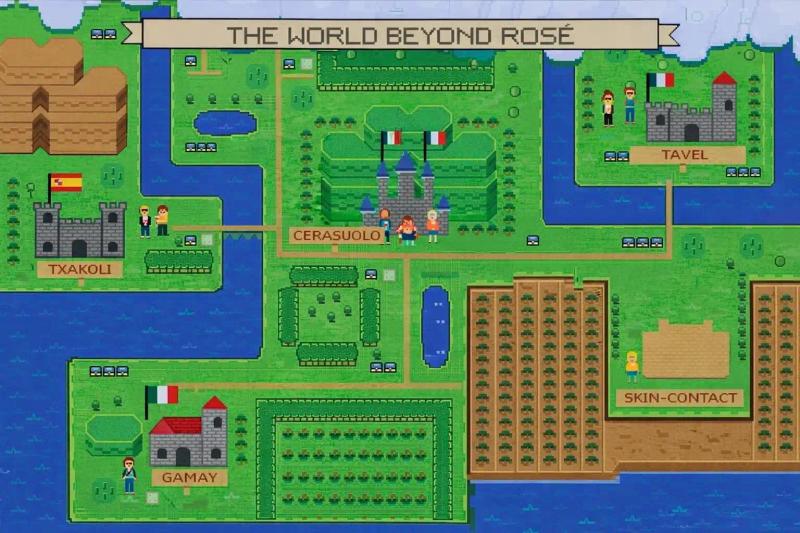
Everyday Reds

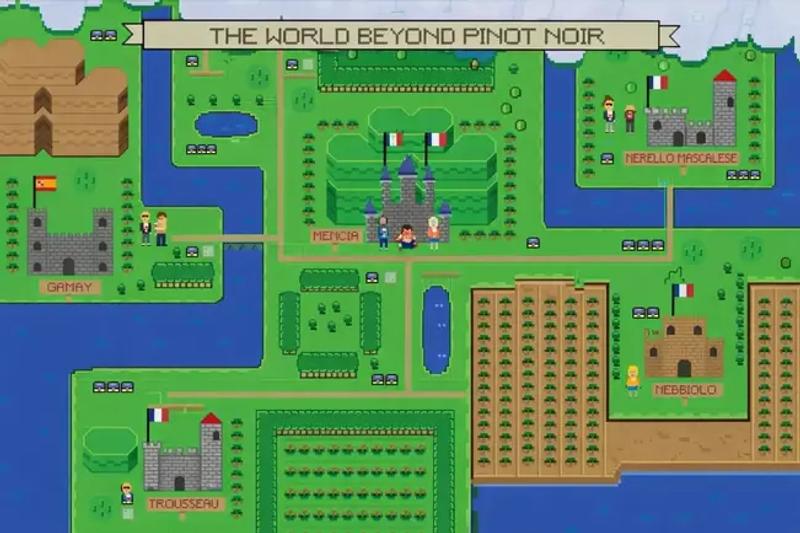
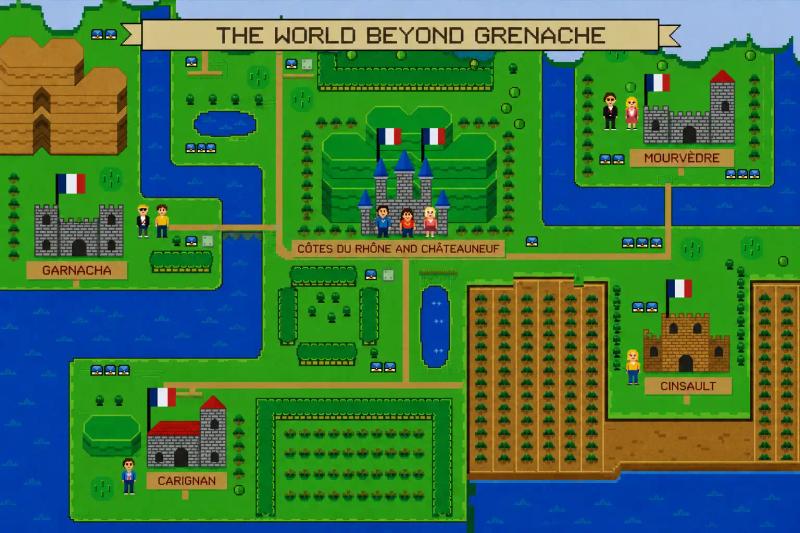
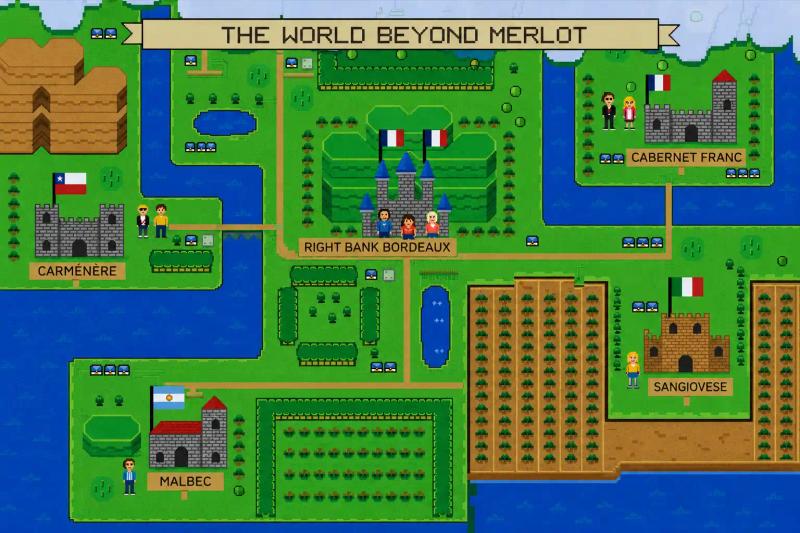
Serious Reds
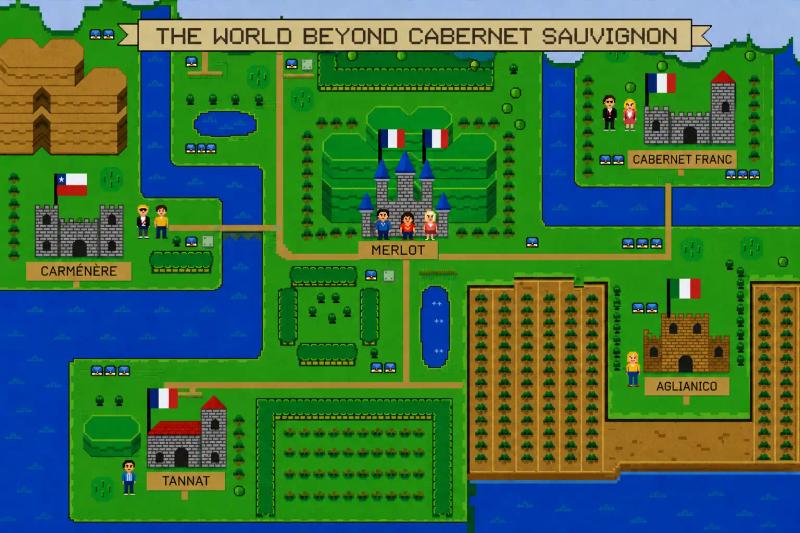
What to Drink Instead of Cabernet Sauvignon

What to Drink Instead of Rioja
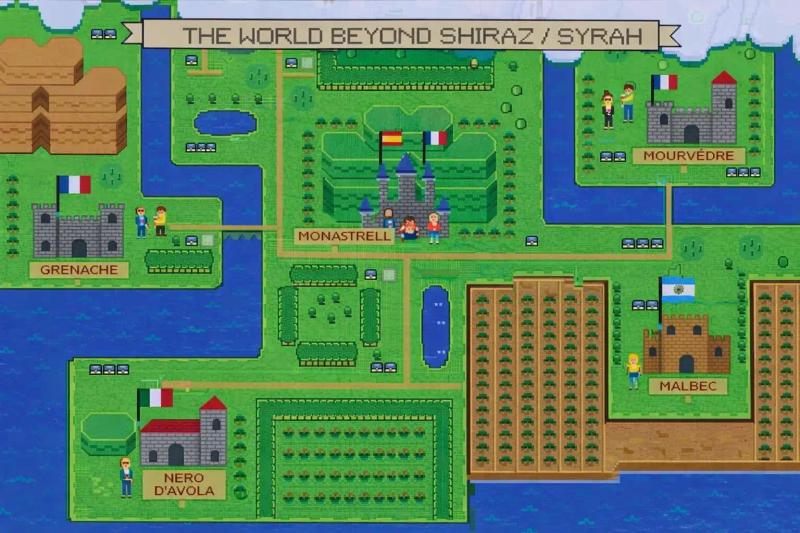
What to Drink Instead of Shiraz / Syrah
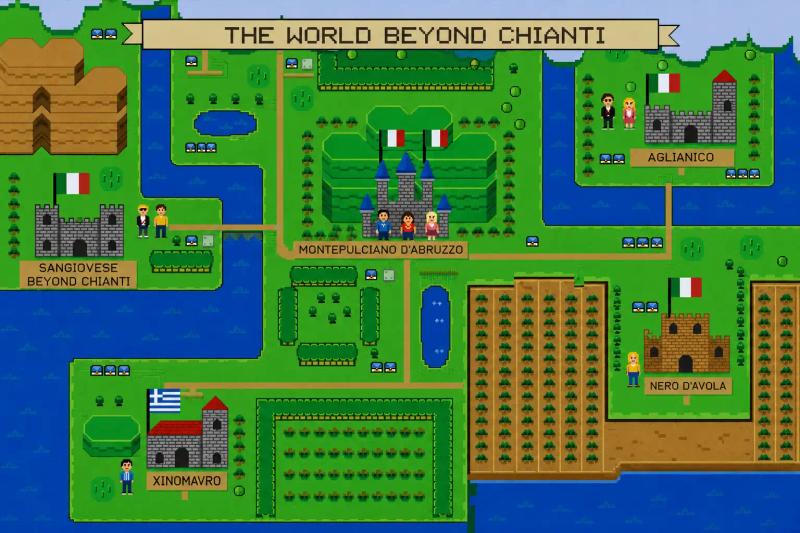
What to Drink Instead of Chianti
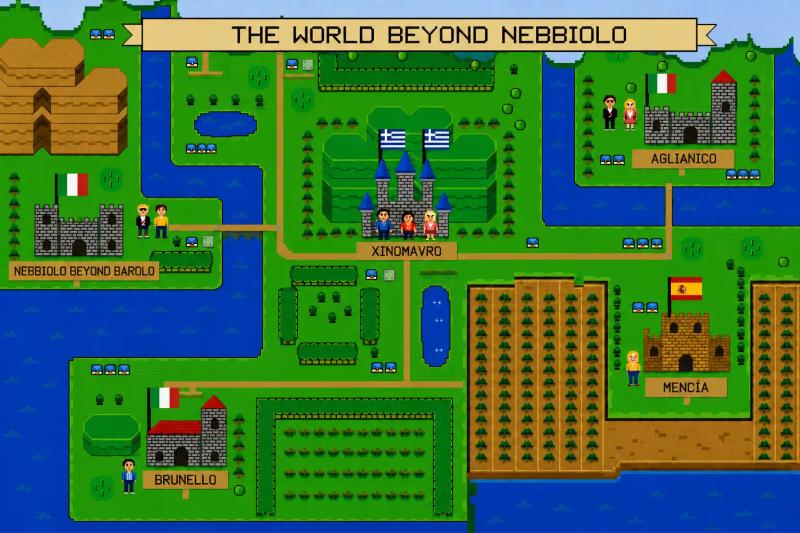
What to Drink Instead of Nebbiolo

What to Drink Instead of Zinfandel

If You Like One, Try Another
If you like Malbec, try Northern Rhône Syrah for the same dark-fruit generosity with more pepper and structure.
If you like Sauvignon Blanc, try Godello for the same green-bright acidity with more texture and weight.
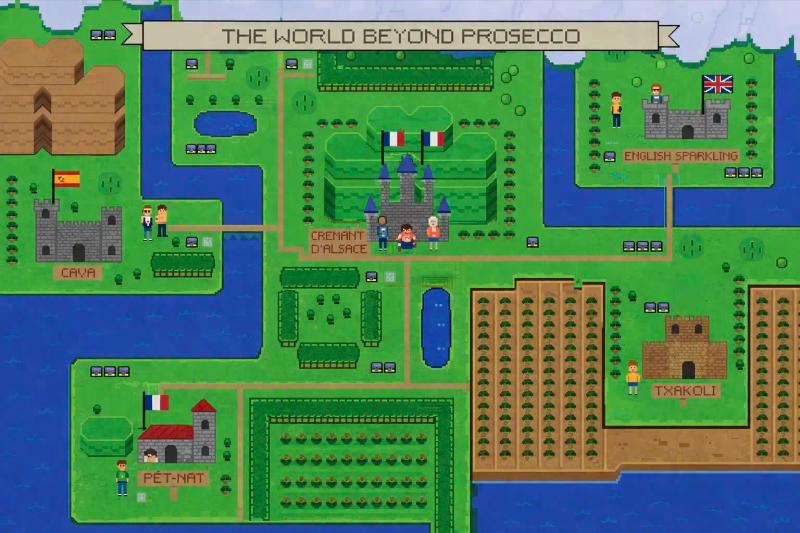
If you like Prosecco, try English sparkling or a Crémant for finer, bottle-fermented bubbles at a similar price.
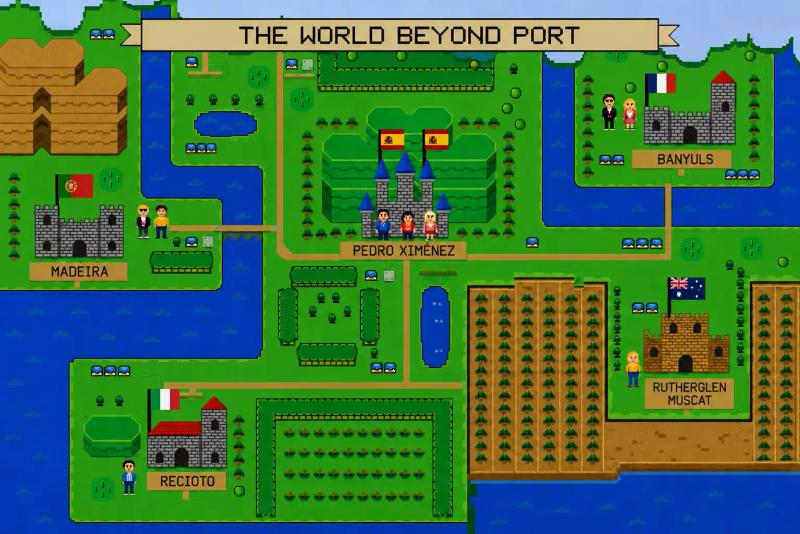
If you like Port, try Banyuls or an Australian fortified Shiraz for the same sweet, fortified richness.
Questions, Answered
What can I drink instead of Prosecco?
Try a traditional-method sparkling wine such as English sparkling, a French Crémant or a grower Champagne. These are fermented in the bottle like Champagne, which gives finer bubbles and more depth than most Prosecco, often at a similar price.
What can I drink instead of Sauvignon Blanc?
Try Godello, Grüner Veltliner or Verdejo. Each keeps the green-bright acidity and citrus cut that Sauvignon Blanc drinkers enjoy, while adding texture, herbs or stone-fruit weight underneath.
What can I drink instead of Malbec?
Try Northern Rhône Syrah for the same plush dark fruit with added pepper and structure, or a Carmenère or Mencía for softer, savoury alternatives at a similar weight.
What can I drink instead of Port?
Try Banyuls, Maury or an Australian fortified Shiraz for the same sweet, fortified richness, or a Pedro Ximénez Sherry if you want that intensity from a drier tradition.
What makes two wines similar?
Wines feel similar when they share the structural traits you actually taste: acidity, tannin, body, sweetness and the broad family of aromas. A good alternative matches those traits rather than the grape name, which is why a Syrah can satisfy a Malbec drinker.
Why is Syrah a good alternative to Malbec?
Syrah and Malbec share generous dark fruit and a full body, so they occupy the same place at the table. Northern Rhône Syrah adds black pepper, savoury spice and firmer structure, giving a Malbec drinker something familiar with more to say.
Are wine alternatives cheaper than the original?
Often, yes. Lesser-known grapes and regions carry less name recognition, so they tend to cost less than the famous wine they resemble. English sparkling is the main exception, where quality rather than fame sets the price.
How do I choose a wine alternative I will actually like?
Start from the wine you already enjoy and identify the one trait you value most, such as acidity, soft tannin or dark fruit. Then pick an alternative that shares that trait. Matching the structure you like is more reliable than matching the grape or the label.
You Could Do This Yourself
You could. Every starting point in this collection is one you can explore alone, with a good merchant and an afternoon.
The hard part was never finding wine. It is knowing which bottle is worth your Thursday night. That is the part Ourglass does for you: the bottles you would never find on your own, with the context that explains why each one matters and what it is teaching your palate.