
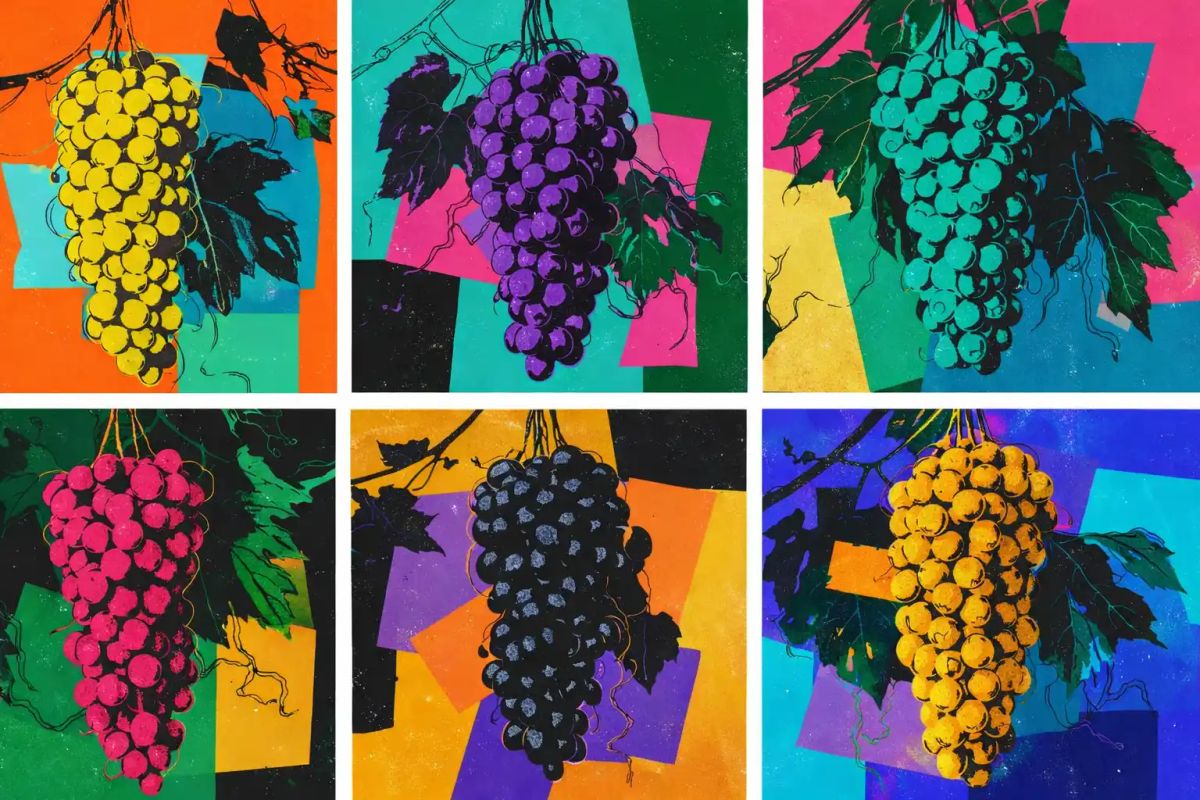
Wine is made from roughly 1,400 grape varieties worldwide. You need to know about 25 of them.
Not because the others don't matter. They do, and some of the most exciting wines being made today come from grapes most people have never heard of. But these 25 are the varieties you will encounter most often on wine lists, in shops, and in conversation. They are the reference points against which everything else is measured.
Understanding grape varieties is the fastest route to taste confidence. Not because memorising tasting notes makes you a better drinker, but because recognising how a grape behaves across different climates, soils, and winemaking traditions gives you the ability to predict what a wine will taste like before you open it. That is practical knowledge. It compresses the gap between the bottle in your hand and the experience in your glass.
Each grape here is presented with the same structure: what it tastes like, where it comes from, how it behaves, what to eat with it, where to start if you've never tried it, and what to drink next if you love it. The varieties are organised by colour (white then red), roughly by how likely you are to encounter them. There is no ranking. A great Albarino is not inferior to a great Chardonnay. It is a different answer to a different question.
For the science behind how your palate processes these flavours, read How Taste Works: The Science of Flavour and Memory. For a practical framework on how to taste any wine systematically, start with our guide to how to taste wine.
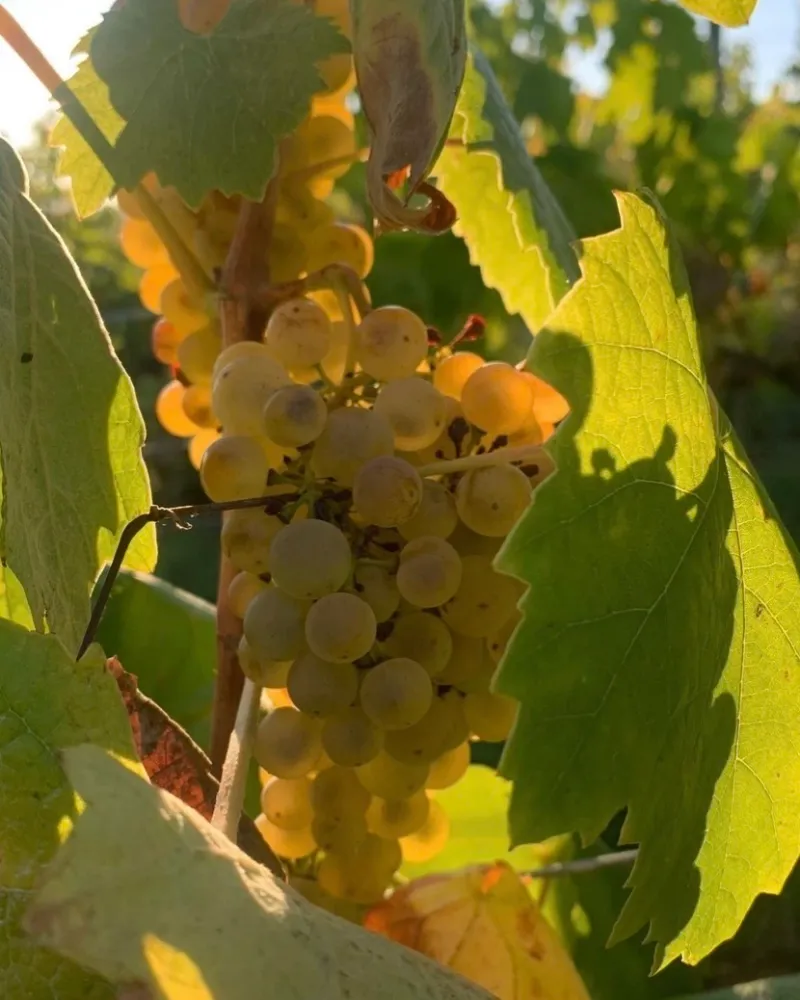
Image: Marcel Deiss
WHITE GRAPES
CHARDONNAY
Chardonnay is the most planted white grape variety in the world and the most misunderstood. Its reputation was nearly destroyed in the early 2000s by a generation of over-oaked, butter-bomb wines from warm climates that tasted more of the barrel than the grape. The backlash ("anything but Chardonnay") was so fierce that an entire generation of drinkers wrote it off. They were wrong.
Chardonnay's genius is transparency. More than almost any other white grape, it reflects where it is grown and how it is made. In Chablis, on Kimmeridgian limestone, it produces wines of startling minerality: lean, saline, taut, with a knife-edge of acidity that can age for decades. In the Cote de Beaune, on deeper clay and limestone soils, it gains weight and complexity: white flowers, hazelnut, citrus peel, a texture that fills the mouth without heaviness. In Napa Valley or the Adelaide Hills, with more sunshine and often more oak, it becomes richer, rounder, with stone fruit and vanilla.
None of these is the "real" Chardonnay. They all are. The grape is a mirror. What you taste is the place and the winemaker's decisions.
The oak question matters. Chardonnay fermented and aged in new oak barrels develops toasty, buttery, vanilla-tinged flavours. Chardonnay fermented in stainless steel or old oak stays leaner and more fruit-driven. Neither approach is inherently better. But knowing which style you prefer, and recognising it in the glass, is the beginning of understanding what you actually like. That recognition is what distinguishes choosing with confidence from choosing by default.
Origin: Burgundy, France Key regions: Chablis, Cote de Beaune (Meursault, Puligny-Montrachet, Chassagne-Montrachet), Champagne, Napa Valley, Sonoma, Adelaide Hills, Margaret River, Jura, Maconnais Body: Light to full, depending entirely on climate and winemaking Key flavours: Citrus, green apple, white peach, hazelnut, butter (if oaked), flint and chalk (if unoaked cool-climate) Acidity: Medium to high Tannin: N/A (white) Ageing potential: Entry-level: drink within 3 years. Village Burgundy: 5-10 years. Premier and Grand Cru Burgundy: 10-30+ years Food pairing: Roast chicken, lobster, creamy pasta, grilled fish with butter sauce, mushroom risotto. Chablis with oysters is a cliche because it works. Price entry point: £8-12 for a decent Maconnais or Languedoc Chardonnay. £15-25 for village Chablis or quality Australian. £30+ for serious Burgundy. If you like this, try: Chenin Blanc for similar weight with more honeyed character. Viognier for more aromatic intensity. White Burgundy lovers who want value should explore the Jura.
Explore further: A Brief Guide to the Wine Regions of France | Producers: Jura & Savoie | How to Develop Your Wine Palate
Tasting a lean, unoaked Chablis alongside a rich, barrel-fermented Napa Chardonnay is the fastest way to understand what this grape can do. That kind of structured comparison is exactly how an Ourglass box works.
SAUVIGNON BLANC
If Chardonnay is a mirror, Sauvignon Blanc is a megaphone. It announces itself from across the room. There is nothing subtle about young Sauvignon Blanc and that is entirely the point.
The grape divides the wine world more sharply than almost any other. New Zealand Marlborough Sauvignon Blanc, the style that conquered the global market from the 1990s onward, is explosively aromatic: passionfruit, grapefruit, cut grass, sometimes a pungent gooseberry note that you either love or find aggressive. It is engineered for immediate impact. Loire Valley Sauvignon Blanc, from Sancerre and Pouilly-Fume, is a different animal entirely: restrained, mineral, flinty, with more texture and less fruit. The grape is the same. The philosophy is not.
The division is useful because it teaches you something fundamental about wine: climate and winemaking intention matter as much as the grape variety itself. A warm-climate Sauvignon Blanc gives you fruit. A cool-climate Sauvignon Blanc gives you tension. Your preference between the two tells you something real about your palate, and that knowledge transfers to every other grape you encounter.
Sauvignon Blanc rarely benefits from oak, though a handful of serious producers (Didier Dagueneau in the Loire, Cloudy Bay's Te Koko) have proved it can work in the right hands. It almost never benefits from ageing. Drink it young, drink it cold, and do not overthink it. There is a place in every wine drinker's life for a grape that simply delivers pleasure without demanding interpretation.
For a deeper dive into how to game Sauvignon Blanc across price points and styles, we have a dedicated guide.
Origin: Loire Valley, France (and Bordeaux as a blending partner) Key regions: Sancerre, Pouilly-Fume, Touraine (Loire), Marlborough (New Zealand), Bordeaux (blended with Semillon), Styria (Austria), Casablanca (Chile), Elgin (South Africa) Body: Light to medium Key flavours: Grapefruit, gooseberry, cut grass, passionfruit, elderflower, flint, asparagus (in aged examples), nettles Acidity: High. This is one of the most acidic mainstream white grapes. Tannin: N/A (white) Ageing potential: Drink most within 2 years. Top Sancerre and Pouilly-Fume: 5-8 years. Bordeaux blanc blends: 5-15 years. Food pairing: Goat's cheese (the classic Loire match), grilled prawns, Thai green curry, ceviche, asparagus, salads with vinaigrette. The high acidity cuts through rich or oily foods. Price entry point: £7-10 for Touraine or decent Chilean. £12-18 for Marlborough or entry Sancerre. £20-35 for top Sancerre or Pouilly-Fume. If you like this, try: Albarino for similar freshness with more texture and salinity. Gruner Veltliner for the same herbal, peppery energy with more body. Vermentino for a Mediterranean twist on the same crisp profile.
Explore further: How to Game Sauvignon Blanc | Grape Guide to Albarino | Grape Guide to Vermentino
If you only know Marlborough Sauvignon Blanc, tasting a Loire version alongside it reveals how much climate shapes flavour. Ourglass builds these discoveries into every box.
RIESLING
Riesling is the grape that sommeliers love and consumers fear. The fear is almost always about sweetness. People hear Riesling and picture something cloying. This is a catastrophic misunderstanding. The majority of serious Riesling made today is dry or near-dry, and even the sweet versions are balanced by an acidity so electric it can make your teeth sing.
No grape variety expresses terroir more precisely than Riesling. In the Mosel, on steep slate slopes, it produces wines of extraordinary delicacy: 7-9% alcohol, featherweight body, flavours of lime blossom, white peach, and wet stone. In Alsace, on granite and limestone, it becomes weightier, spicier, with a richer texture and more overt fruit. In the Clare Valley or Eden Valley in Australia, it is bone-dry, austere in youth, with a lime juice intensity that develops a petrol note with age. That petrol character (technically 1,1,6-trimethyl-1,2-dihydronaphthalene, or TDN) is considered a hallmark of quality aged Riesling, not a flaw.
The sweetness spectrum in German Riesling (Trocken, Halbtrocken, Feinherb, Spatlese, Auslese) confuses people unnecessarily. The shortcut: if the label says Trocken, it is dry. If it does not, check the alcohol. Below 10%, there is likely residual sugar. Above 12%, it is almost certainly dry. The sugar, when present, is there to balance the acidity, not to make the wine taste sweet.
Riesling ages better than any other white grape. A great Mosel Spatlese from a top producer can evolve for 30 years or more, gaining complexity, deepening in colour, developing honey, lanolin, and mineral notes that have no equivalent in any other variety.
Origin: Rhine region, Germany Key regions: Mosel, Rheingau, Pfalz, Nahe (Germany), Alsace (France), Clare Valley, Eden Valley (Australia), Finger Lakes (USA), Wachau (Austria) Body: Light to medium. Rarely full. Key flavours: Lime, green apple, white peach, apricot, honey, petrol (aged), slate, ginger, blossom Acidity: Very high. Riesling's defining structural feature. Tannin: N/A (white) Ageing potential: Entry-level: 3-5 years. Quality Kabinett/Spatlese: 10-20 years. Grand Cru Alsace or top Auslese: 20-40+ years. Food pairing: Thai food, Vietnamese pho, sushi, roast pork, duck, spicy curries, smoked fish. The acidity and slight sweetness in off-dry styles make Riesling the single most versatile food wine. Price entry point: £8-12 for quality Mosel Kabinett. £12-20 for Alsace or Clare Valley. £25-50 for top single-vineyard German or Alsace Grand Cru. If you like this, try: Gruner Veltliner for similar acidity with more herbal, peppery notes. Chenin Blanc (Vouvray) for a French alternative with similar sweetness range. Furmint from Tokaj for an Eastern European counterpart with more body.
Explore further: A Guide to the Wine Regions of Germany | A Brief Guide to the Wine Regions of France
Riesling rewards attention more than almost any other grape. Every Ourglass box includes tasting notes designed to help you notice what makes each wine distinctive.
CHENIN BLANC
Chenin Blanc is the most undervalued white grape in the world. In the Loire Valley, it produces everything from bone-dry Savennieres (arguably France's greatest dry white outside Burgundy) to the honeyed, botrytised dessert wines of Vouvray and Quarts de Chaume. In South Africa, where it is the most planted grape variety (often called Steen), it delivers astonishing quality at prices that make Burgundy collectors weep.
The grape's range is its selling point and its marketing problem. Consumers do not know what to expect. A Vouvray can be dry, off-dry, or sweet, and the label will not always tell you. A Savennieres can be so austere in youth that it seems closed and unfriendly, then open into something magnificent after five years. South African Chenin can be a simple, refreshing quaffer or a barrel-fermented, lees-aged wine of serious complexity.
What connects them all is texture. Chenin Blanc has a waxy, lanolin quality on the mid-palate that no other white grape quite replicates. Combined with its high acidity and ability to reflect terroir, it offers a drinking experience that rewards attention. It is the insider's grape: the one sommeliers order for themselves when no one is watching.
Origin: Loire Valley, France Key regions: Vouvray, Savennieres, Montlouis, Quarts de Chaume, Saumur (Loire), Stellenbosch, Swartland (South Africa) Body: Light to full, depending on style Key flavours: Quince, beeswax, honey, chamomile, wet wool, apple, pear, lanolin Acidity: High Tannin: N/A (white) Ageing potential: Simple versions: 2-3 years. Savennieres: 10-20 years. Sweet Vouvray: 30-50+ years. Food pairing: Pork belly, roast chicken with root vegetables, Moroccan tagine, soft washed-rind cheeses, apple tart Price entry point: £7-10 for quality South African. £12-18 for Vouvray or Montlouis. £25-40 for Savennieres or top Swartland. If you like this, try: Chardonnay for similar weight with different aromatics. Riesling for the same sweetness spectrum with higher acidity. Marsanne/Roussanne blends for similar texture.
Explore further: A Brief Guide to the Wine Regions of France | The Complete Guide to South African Wine Regions
Chenin Blanc is the kind of grape most people never encounter unless someone puts it in front of them. That is what Ourglass is for.
VIOGNIER
Viognier nearly went extinct. By the 1960s, there were barely 14 hectares left, almost all in Condrieu in the northern Rhone. Now it is planted across the south of France, California, Australia, and beyond. The rescue was justified. At its best, Viognier produces some of the most intoxicatingly aromatic white wine in existence.
The nose is everything: apricot, peach blossom, honeysuckle, sometimes a musky, almost perfumed quality that can verge on the exotic. The palate is rich, oily, low in acidity, with a texture that feels almost decadent. This is not a grape for people who want refreshment. It is a grape for people who want sensory immersion.
The danger with Viognier is excess. Overcropped or overripe, it becomes flabby, cloying, and one-dimensional. The best examples (Condrieu from producers like Guigal or Vernay, or serious Australian versions from Yalumba) maintain a core of tension underneath the richness. In the northern Rhone, a small percentage of Viognier is co-fermented with Syrah to make Cote-Rotie, where it adds perfume and stabilises colour. It is one of the most elegant uses of a white grape in red winemaking.
Origin: Northern Rhone, France Key regions: Condrieu, Chateau-Grillet (Rhone), Languedoc, Virginia (USA), Adelaide Hills, Yarra Valley (Australia) Body: Full Key flavours: Apricot, peach blossom, honeysuckle, musk, tangerine, ginger, white pepper Acidity: Low to medium. This is Viognier's structural weakness and its sensory strength. Tannin: N/A (white) Ageing potential: Most: drink within 3 years. Top Condrieu: 5-8 years. It rarely improves with long ageing. Food pairing: Lobster with butter, Thai curry with coconut milk, roast pork with apricot glaze, mild Indian dishes, seared scallops Price entry point: £8-12 for Languedoc or Australian. £25-40 for Condrieu. £50+ for Chateau-Grillet. If you like this, try: Gewurztraminer for even more aromatic intensity. Marsanne for similar weight with less perfume. Torrontes from Argentina for an aromatic alternative at a fraction of the price.
Explore further: A Brief Guide to the Wine Regions of France | Insight: How to Match Wine and Food
GEWURZTRAMINER
Gewurztraminer is wine's Marmite. The name means "spiced Traminer" and the grape delivers exactly that: lychee, rose petal, Turkish delight, ginger, and a musky, almost oily richness that some people find intoxicating and others find cloying. There is no middle ground.
Alsace is its spiritual home, where it produces both dry and late-harvest wines of extraordinary intensity. The dry versions are deceptive: they smell sweet but taste dry, which confuses people. The late-harvest versions (Vendange Tardive and Selection de Grains Nobles) are genuinely sweet and can age for decades.
The grape also thrives in Alto Adige in northern Italy, where it tends to be lighter, more floral, and less aggressively aromatic. German and Austrian versions exist but are rarer. New World plantings in New Zealand, Oregon, and Chile tend toward the lighter end.
What Gewurztraminer teaches you is that aroma and flavour are not the same thing. A wine can smell intensely sweet and floral while tasting dry and structured. Learning to separate nose from palate is one of the most important skills in wine tasting, and Gewurztraminer is the best training tool available. Understanding how your senses interact is essential to this process.
Origin: Alto Adige, Italy / Alsace, France Key regions: Alsace (France), Alto Adige (Italy), Pfalz (Germany), Marlborough (New Zealand) Body: Medium to full Key flavours: Lychee, rose petal, Turkish delight, ginger, musk, clove, pink grapefruit Acidity: Low to medium Tannin: N/A (white), though it can have a slight phenolic grip Ageing potential: Dry versions: 3-5 years. Vendange Tardive: 10-20 years. SGN: 20-40+ years. Food pairing: Chinese dim sum, Alsatian choucroute, Munster cheese, Thai red curry, foie gras. One of the few grapes that can stand up to strongly spiced food. Price entry point: £10-15 for Alsace or Alto Adige. £20-35 for top dry Alsace. £30-60+ for late harvest. If you like this, try: Viognier for similar richness with different aromatics. Torrontes for a lighter aromatic experience. Muscat for even more floral intensity.
Explore further: A Brief Guide to the Wine Regions of France | Producers: Alsace | Demystifying Food and Wine Pairings
GRUNER VELTLINER
Austria's flagship white grape is one of the best-kept secrets in wine, largely because non-German speakers find the name intimidating. Get past the pronunciation (GROO-ner FELT-leener) and you find a grape of remarkable versatility and value.
At the entry level, Gruner Veltliner is a crisp, peppery, easy-drinking white with a distinctive white pepper note on the finish that distinguishes it from everything else in the glass. At the top end, from the terraced vineyards of the Wachau, Kremstal, and Kamptal, it produces wines of extraordinary depth: rich, mineral, textured, with a savoury quality that can rival serious white Burgundy at a fraction of the price.
The peppery spice note is the grape's calling card. Once you learn to identify it, you will never confuse Gruner with anything else. It is a useful anchor variety: a grape with such a distinctive marker that learning to spot it trains your palate to look for similar identifying features in other varieties.
Origin: Austria Key regions: Wachau, Kremstal, Kamptal, Traisental, Weinviertel (Austria), Czech Republic, Slovakia Body: Light to medium (entry level), medium to full (top tier) Key flavours: White pepper, green bean, lentil, citrus, stone fruit, mineral, radish Acidity: Medium to high Tannin: N/A (white) Ageing potential: Entry-level: 1-3 years. Smaragd/Reserve: 5-15 years. Food pairing: Wiener Schnitzel, asparagus, sushi, Vietnamese spring rolls, grilled vegetables. The pepper note works particularly well with green vegetables. Price entry point: £8-12 for quality Weinviertel. £15-25 for Kremstal or Kamptal. £30-50 for top Wachau Smaragd. If you like this, try: Sauvignon Blanc for similar herbal energy. Albariño for the same freshness with more salinity. Verdicchio from the Marche for an Italian alternative with similar weight.
Explore further: Guide to the Wine Regions of Austria | How to Choose Wine from a Restaurant Wine List
Once you learn to spot Gruner Veltliner's white pepper note, you have an anchor that makes every other white grape easier to place. Building these reference points is the core of what Ourglass does.
ALBARINO
Albarino is the Atlantic grape. Grown along the coast of Galicia in northwest Spain and across the border in Portugal's Vinho Verde region (where it is called Alvarinho), it tastes of the sea. Saline, citrus-driven, with a peach-skin texture and a finish that evaporates like sea spray.
The grape thrives in the Rias Baixas DO, where granitic soils and maritime influence produce wines of startling freshness. Traditionally trained on pergola systems (like Emidio Pepe's vines in Abruzzo, though the parallel ends there), Albarino is picked early to preserve acidity and bottled young to capture its vibrancy.
There is a small but growing movement toward more serious, barrel-aged, lees-stirred Albarino that pushes the grape into white Burgundy territory. These wines can be excellent, though they sacrifice some of the grape's natural vivacity for complexity. Both styles have their place. The simple version is one of the best warm-weather wines on earth.
Origin: Galicia, Spain / Minho, Portugal Key regions: Rias Baixas (Spain), Vinho Verde (Portugal) Body: Light to medium Key flavours: Peach, nectarine, lemon zest, saline, grapefruit, white flowers, apricot Acidity: High Tannin: N/A (white) Ageing potential: Most: drink within 2 years. Top lees-aged examples: 3-5 years. Food pairing: Grilled seafood, pulpo a la gallega, ceviche, sushi, fish tacos, razor clams. This is a seafood grape. Price entry point: £8-12 for Rias Baixas. £15-25 for top producers or lees-aged versions. If you like this, try: Vermentino for a Mediterranean version of the same coastal energy. Muscadet (from Melon de Bourgogne) for even more mineral, saline character. Picpoul de Pinet for a Languedoc alternative.
Explore further: Grape Guide to Albarino | A Brief Guide to the Wine Regions of Spain
VERMENTINO
Vermentino is summer in a glass. Grown across the Mediterranean coastline, from Sardinia and Liguria to Provence and Corsica, it delivers exactly what you want when the temperature rises: crisp citrus, white flowers, a hint of almond, and a saline finish that makes you think of warm rocks and salt air.
The grape goes by several names. In Provence it is Rolle. In Corsica, Vermentinu. In Liguria, Pigato is a close relative. Regardless of the name, the profile is consistent: light to medium body, bright acidity, herbal and citrus aromatics, and a texture that is more mineral than fruity.
Sardinia produces some of the most interesting examples, particularly from the Gallura DOCG in the island's northeast, where granitic soils give the wine a stony, almost flinty quality. Tuscan producers in the Bolgheri area have also embraced Vermentino, producing richer, more structured versions.
Origin: Italy (Liguria, Sardinia, Tuscany) and France (Provence, Corsica) Key regions: Sardinia (Gallura, Vermentino di Sardegna), Liguria, Tuscany, Provence, Languedoc, Corsica Body: Light to medium Key flavours: Lemon, green apple, almond, white flowers, herbs, saline, pear Acidity: Medium to high Tannin: N/A (white) Ageing potential: Drink within 2 years. Rare exceptions from Gallura: 3-5 years. Food pairing: Grilled fish, pesto pasta, caprese salad, bouillabaisse, anchovies, light seafood risotto Price entry point: £7-10 for Vermentino di Sardegna or Languedoc. £12-18 for Gallura or quality Tuscan. £20+ for top single-vineyard Sardinian. If you like this, try: Albarino for similar coastal character with more body. Assyrtiko from Santorini for volcanic minerality. Fiano from Campania for a richer southern Italian white.
Explore further: Grape Guide to Vermentino | A Guide to the Wine Regions of Italy
TREBBIANO
Trebbiano is Italy's most planted white grape and, in its basic form, the least interesting. Vast quantities of thin, neutral Trebbiano are produced across central Italy for bulk wine and brandy production. It is also the base grape for French Ugni Blanc, which produces most of the world's Cognac and Armagnac.
But there is another Trebbiano. In Abruzzo, in the hands of producers like Emidio Pepe and Valentini, Trebbiano d'Abruzzo becomes something entirely different: a wine of extraordinary depth, texture, and longevity that can age for 20 years or more. The gap between industrial Trebbiano and artisanal Trebbiano d'Abruzzo is one of the widest in Italian wine. Same name, different universe.
The grape's neutral character, which is a liability in bulk production, becomes an asset in the right hands. Like Chardonnay, Trebbiano reflects its environment. Give it poor soils, low yields, and patient winemaking, and it rewards you with wines of quiet, austere beauty.
Origin: Central Italy / Southwest France (as Ugni Blanc) Key regions: Abruzzo, Lazio, Romagna (Italy), Cognac, Gascony (France, as Ugni Blanc) Body: Light (industrial) to medium-full (artisanal) Key flavours: Lemon, almond, white flowers, saline, lanolin (top examples), apple, pear (basic versions) Acidity: Medium to high Tannin: N/A (white) Ageing potential: Basic: drink immediately. Trebbiano d'Abruzzo from top producers: 10-25+ years. Food pairing: Seafood pasta, grilled branzino, fritto misto, arancini, light antipasti Price entry point: £5-8 for basic Trebbiano. £15-25 for quality Trebbiano d'Abruzzo. £40-80 for Valentini or Emidio Pepe. If you like this, try: Verdicchio for a more characterful central Italian white. Chenin Blanc for similar age-worthiness. Fiano for southern Italian depth.
Explore further: A Guide to the Wine Regions of Italy
The gap between industrial Trebbiano and artisanal Trebbiano d'Abruzzo is one of the most illuminating contrasts in wine. Understanding why requires tasting both, which is the kind of education Ourglass is built around.
PECORINO
Not the cheese. Pecorino is a white grape variety native to the mountains of central Italy, nearly extinct by the 1980s and now experiencing a revival in Abruzzo and the Marche. The name comes from "pecora" (sheep), either because sheep grazed among the vines or because they ate the grapes at harvest.
The grape produces wines of surprising intensity: fuller-bodied than Trebbiano, with richer texture, more overt fruit, and a creamy, almost oily mid-palate. Acidity remains high, which gives the wines structure and food-friendliness. At Emidio Pepe, Pecorino is picked first (late August), and the small berries and thick skins give it a grip that most Italian whites lack.
Pecorino is still niche enough that most wine drinkers have never tried it, which means prices remain relatively modest for the quality on offer. It is the kind of discovery that makes wine exploration worthwhile: a grape you have never heard of that delivers something genuinely distinctive.
Origin: Central Italy (Abruzzo, Marche) Key regions: Abruzzo, Marche, Lazio (Italy) Body: Medium to full Key flavours: Yellow peach, pear, herbs, almond, citrus zest, cream, white pepper Acidity: Medium to high Tannin: N/A (white), though it can have textural grip from skin contact Ageing potential: Most: 2-5 years. Top producers: 5-10 years. Food pairing: Pecorino cheese (obviously), roast lamb, grilled swordfish, pasta with saffron, artichoke dishes Price entry point: £10-15 for quality Abruzzo or Marche. £20-35 for top producers. If you like this, try: Vermentino for similar Mediterranean character. Fiano for Campanian depth. Greco di Tufo for southern Italian mineral intensity.
Explore further: A Guide to the Wine Regions of Italy
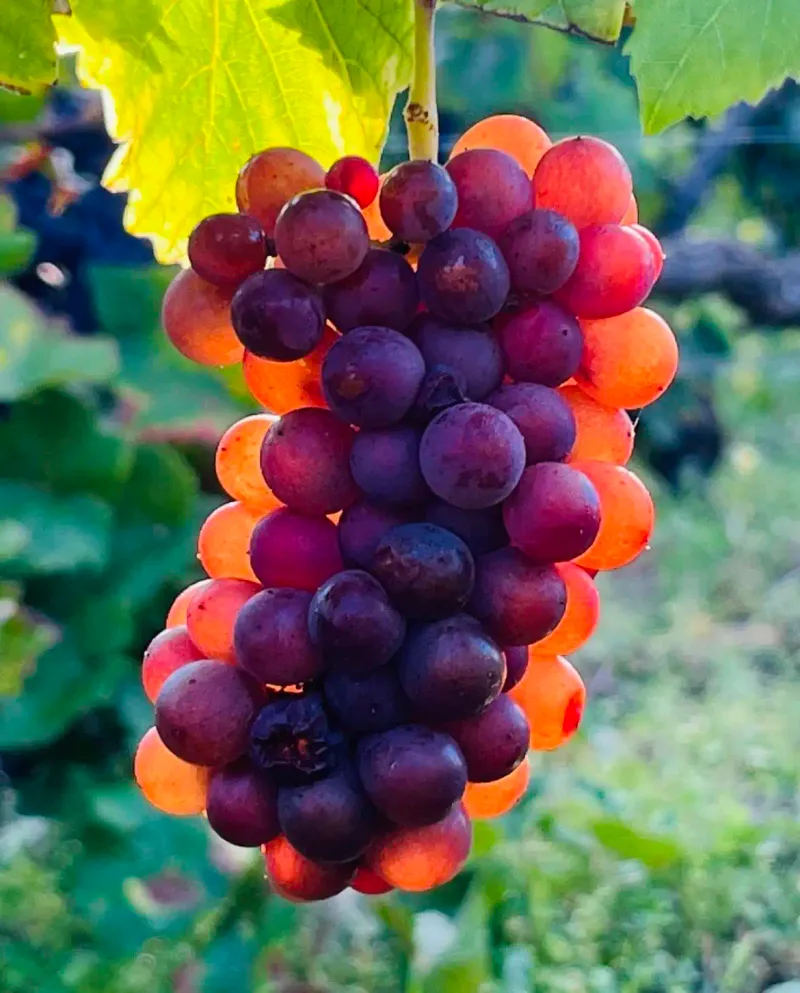
Image: Jerome Prevost
RED GRAPES
CABERNET SAUVIGNON
Cabernet Sauvignon is the most recognised red grape in the world for good reason. It is genetically a cross between Cabernet Franc and Sauvignon Blanc, and it inherited the best of both: the structure and tannic backbone of Franc, the aromatic intensity of Sauvignon Blanc. The result is a grape that produces wines of power, concentration, and exceptional longevity.
Bordeaux's Left Bank (Medoc, Pauillac, Margaux, Saint-Julien) is where Cabernet Sauvignon established its reputation, almost always blended with Merlot and Cabernet Franc. Napa Valley is where it proved it could stand alone, producing single-varietal wines of opulent fruit and polished tannin. The two styles represent different philosophies: Bordeaux prioritises structure, Napa prioritises texture.
The grape's thick skin gives it high tannin and deep colour. Young Cabernet can be forbiddingly tannic, which is why Bordeaux blends in softer varieties and why Napa producers often use extended maceration and new oak to round the edges. With age, those tannins resolve into something silky, and the primary fruit gives way to cedar, tobacco, graphite, and leather. A great aged Cabernet Sauvignon is one of wine's most compelling experiences.
Understanding how price and value intersect is particularly relevant with Cabernet, where the range runs from £8 to £800 for the same grape variety.
Origin: Bordeaux, France Key regions: Medoc, Pauillac, Margaux, Saint-Julien (Bordeaux), Napa Valley, Sonoma, Coonawarra (Australia), Maipo Valley (Chile), Stellenbosch (South Africa), Bolgheri (Italy) Body: Full Key flavours: Blackcurrant (cassis), cedar, tobacco, graphite, dark cherry, mint, green pepper (if underripe), leather, vanilla (if oaked) Acidity: Medium to high Tannin: High. The defining structural element. Ageing potential: Entry-level: 3-5 years. Classified Bordeaux: 15-30+ years. Top Napa: 10-25 years. Food pairing: Grilled ribeye, lamb chops, aged hard cheeses, beef bourguignon, dark chocolate Price entry point: £8-12 for Chilean or Australian. £15-25 for decent Haut-Medoc or Napa. £40-100+ for classified Bordeaux or cult Napa. If you like this, try: Cabernet Franc for the same family with more floral, herbal character. Nebbiolo for similar ageing potential with lighter colour. Aglianico for southern Italian power.
Explore further: Guide to the Wines of Bordeaux | Producers: Bordeaux | A Guide to the Wine Regions of USA
The difference between a £12 Chilean Cabernet and a £30 Haut-Medoc is not just price. It is a lesson in what terroir, ageing, and winemaking ambition actually taste like. Every Ourglass selection is chosen to make those differences tangible.
MERLOT
Merlot is the grape the world underestimates. The Sideways effect (2004) did real damage: one line in a film sent Merlot sales plummeting across the United States and installed an entirely undeserved reputation for blandness that persists two decades later.
The truth is that Merlot produces some of the most expensive and sought-after wines on earth. Petrus, Le Pin, Masseto: all Merlot-dominant, all commanding thousands per bottle. On the Right Bank of Bordeaux (Pomerol, Saint-Emilion), Merlot on clay soils produces wines of extraordinary richness, plush texture, and complexity that rival anything from the Left Bank.
The grape ripens earlier than Cabernet Sauvignon, develops lower tannin, and tends toward rounder, plummier fruit. This makes it more immediately approachable, which is both its commercial advantage and the source of snobbish dismissal. Cheap Merlot can indeed be soft and forgettable. But that is true of cheap anything. Judging Merlot by its worst examples is like judging cinema by its worst films.
Origin: Bordeaux, France Key regions: Pomerol, Saint-Emilion (Bordeaux), Napa Valley, Sonoma, Hawke's Bay (New Zealand), Ticino (Switzerland), Bolgheri (Italy) Body: Medium to full Key flavours: Plum, dark cherry, chocolate, mocha, fruitcake, violet, truffle (aged Right Bank) Acidity: Medium Tannin: Medium. Softer and rounder than Cabernet Sauvignon. Ageing potential: Entry-level: 2-5 years. Quality Right Bank: 10-25 years. Petrus/Le Pin: 30+ years. Food pairing: Roast duck, mushroom dishes, beef stew, mature Comte, pork tenderloin Price entry point: £7-10 for Chilean or Languedoc. £15-25 for Bordeaux Cotes or Hawke's Bay. £30-80 for Saint-Emilion Grand Cru. If you like this, try: Cabernet Franc for more herbal complexity on the same Right Bank soils. Grenache for similar warmth and plushness. Dolcetto for a lighter Italian alternative with similar fruit character.
Explore further: Guide to the Wines of Bordeaux
PINOT NOIR
Pinot Noir is the grape that broke the rules. In a wine world that historically valued power, concentration, and colour, Pinot Noir offered something else entirely: translucency, delicacy, and an ability to communicate place with a precision that no other red grape can match.
Burgundy is the reference. On the limestone slopes of the Cote d'Or, Pinot Noir produces wines that can differ dramatically from one vineyard to the next, even when those vineyards are separated by a single path. Chambertin is not Musigny is not Romanee-Conti. The grape records every nuance of soil, aspect, and altitude, which is why Burgundy's classification system (Grand Cru, Premier Cru, Village) exists: not as marketing, but as an attempt to map flavour to geography.
Outside Burgundy, Pinot Noir has found second homes in Oregon's Willamette Valley, New Zealand's Central Otago and Martinborough, Germany's Spatburgunder regions, and Tasmania. Each produces wines of genuine quality, though none quite replicates Burgundy's particular combination of savour, texture, and mineral energy.
The grape is notoriously difficult to grow. Thin-skinned, disease-prone, and intolerant of heat, it punishes carelessness and rewards obsession. This is why great Pinot Noir costs what it costs: it cannot be industrialised without destroying what makes it interesting.
Origin: Burgundy, France Key regions: Cote de Nuits, Cote de Beaune (Burgundy), Willamette Valley (Oregon), Central Otago, Martinborough (NZ), Baden, Ahr (Germany), Tasmania, Sonoma Coast, Jura Body: Light to medium. Never full. Key flavours: Red cherry, strawberry, raspberry, rose petal, earth, mushroom, undergrowth, spice, truffle (aged) Acidity: Medium to high Tannin: Low to medium. Fine-grained, silky. Ageing potential: Entry-level: 2-5 years. Village Burgundy: 5-10 years. Premier Cru: 10-20 years. Grand Cru: 15-40+ years. Food pairing: Roast chicken, duck confit, salmon, mushroom tart, grilled quail, soft-ripened cheeses like Epoisses Price entry point: £10-15 for Bourgogne rouge or decent New Zealand. £20-35 for village Burgundy or quality Oregon. £50-150+ for Premier Cru. Grand Cru: the sky. If you like this, try: Gamay (Beaujolais) for similar lightness with more exuberant fruit. Nebbiolo for comparable complexity and ageing potential in a very different style. Trousseau from the Jura for an obscure, fascinating alternative.
Explore further: Producers: Burgundy | A Brief Guide to the Wine Regions of France
Pinot Noir teaches you to taste place. A good Bourgogne rouge next to a Willamette Valley Pinot shows you how the same grape speaks differently depending on where it grows. That comparison is the foundation of real wine knowledge, and it is how Ourglass curates every box.
SYRAH / SHIRAZ
The same grape, two identities. In the northern Rhone, it is Syrah: dark, peppery, meaty, with an iron-and-smoke quality that feels primal. In Australia, it is Shiraz: riper, sweeter, more generous, with chocolate, eucalyptus, and a warmth that fills the room. The name on the label tells you as much about the winemaker's intention as it does about the grape's origin.
Northern Rhone Syrah, from Hermitage, Cote-Rotie, Cornas, and Saint-Joseph, is among the most age-worthy red wine on earth. A great Hermitage can evolve for 30 years, gaining complexity, developing leather, tar, olive, and a savoury depth that has no equivalent. The wines are never heavy despite their concentration. Acidity and pepper spice keep them lifted.
Australian Shiraz, particularly from the Barossa Valley, McLaren Vale, and Hunter Valley, is a different proposition. Warmer climate gives riper fruit, higher alcohol, and a more immediately gratifying drinking experience. Penfolds Grange, Australia's most famous wine, is Shiraz-based and proves the grape can produce wines of monumental quality outside France.
Origin: Northern Rhone, France Key regions: Hermitage, Cote-Rotie, Cornas, Saint-Joseph (Rhone), Barossa Valley, McLaren Vale, Hunter Valley (Australia), Stellenbosch (South Africa), Washington State (USA), Priorat (Spain, as Garnacha/Syrah blends) Body: Medium-full to full Key flavours: Black pepper, blackberry, smoked meat, olive, violet, chocolate, eucalyptus, leather, tar Acidity: Medium to high (Rhone), medium (warm-climate Shiraz) Tannin: Medium to high Ageing potential: Entry-level: 3-5 years. Northern Rhone: 10-30+ years. Top Barossa: 10-20 years. Food pairing: Grilled lamb, barbecue, venison, cassoulet, hard aged cheeses, dark chocolate Price entry point: £8-12 for Languedoc Syrah or South Australian Shiraz. £15-30 for Saint-Joseph or quality Barossa. £40-100+ for Hermitage or Cote-Rotie. If you like this, try: Mourvedre for similar dark, meaty character. Malbec for comparable richness with softer tannin. Petite Sirah for even more concentration (it is a different grape, despite the name).
Explore further: A Brief Guide to the Wine Regions of France | Producers: Rhone | The Complete Guide to Australian Wine Regions
TEMPRANILLO
Tempranillo is Spain's great red grape and one of the most versatile in the world. It is the backbone of Rioja and Ribera del Duero, two regions that represent radically different approaches to the same variety.
Traditional Rioja ages Tempranillo in American oak, which gives the wine vanilla, coconut, and dill notes alongside the grape's natural tobacco, leather, and dried cherry character. The best traditional Riojas (Lopez de Heredia, CVNE Imperial, La Rioja Alta) have a savoury, mellow quality that makes them some of the most food-friendly reds on earth. Modern Rioja producers use French oak, pick riper, and aim for concentration rather than elegance.
Ribera del Duero, at higher altitude, produces darker, more structured Tempranillo (locally called Tinto Fino or Tinta del Pais). Vega Sicilia and Pingus are the headline names, but the region's strength runs much deeper than its stars.
Tempranillo's name comes from "temprano" (early), because it ripens earlier than most Spanish red grapes. This gives it moderate alcohol and good acidity, which, combined with its natural affinity for oak, makes it one of the most reliably age-worthy grapes outside Bordeaux and Burgundy.
Origin: Spain Key regions: Rioja, Ribera del Duero, Toro, Navarra (Spain), Douro (Portugal, as Tinta Roriz), Alentejo Body: Medium to full Key flavours: Tobacco leaf, leather, dried cherry, plum, vanilla (American oak), cedar (French oak), fig, dark chocolate Acidity: Medium to high Tannin: Medium to high Ageing potential: Joven: drink within 2 years. Crianza: 3-7 years. Reserva: 5-15 years. Gran Reserva: 10-30+ years. Food pairing: Roast lamb, Iberico ham, chorizo, manchego, paella, grilled peppers, suckling pig Price entry point: £7-10 for Rioja Crianza. £12-20 for quality Reserva or Ribera del Duero. £30-60 for Gran Reserva or top Ribera. If you like this, try: Sangiovese for similar food-friendliness with more acidity. Grenache for warmer, spicier character. Mencia from Bierzo for a lighter, more floral Spanish red.
Explore further: A Brief Guide to the Wine Regions of Spain
Tasting a traditional Rioja Reserva alongside a modern Ribera del Duero shows you how one grape can serve two completely different philosophies. Ourglass includes these kinds of comparisons because they are where real understanding begins.
NEBBIOLO
Nebbiolo is Italy's most cerebral grape. Its name comes from "nebbia" (fog), for the autumn mists that blanket the Langhe hills of Piemonte during harvest. The grape produces wines of pale garnet colour that belie their ferocious tannic structure. A young Barolo can strip the enamel from your teeth. An aged one can make you rethink everything you thought you knew about wine.
Barolo and Barbaresco are the two great Nebbiolo appellations, both in Piemonte. Barolo is bigger, more structured, and requires more ageing. Barbaresco (from vineyards around the town of the same name) is slightly softer and more approachable, though "approachable" is relative when discussing Nebbiolo.
The grape's aromatic profile is unlike anything else: tar, roses, dried herbs, cherry, leather, truffle, tobacco. These are not flavours you find in Cabernet or Pinot Noir. They are specific to Nebbiolo and specific to the Langhe soils on which it grows. The grape has resisted every attempt to transplant it successfully. Plantings in Australia, California, and even other parts of Italy have produced competent wines, but nothing approaching the complexity of Piemonte.
For newcomers, Langhe Nebbiolo or Nebbiolo d'Alba offer an accessible entry point at a fraction of Barolo's price. These wines show the grape's aromatics without the full tannic assault.
Origin: Piemonte, Italy Key regions: Barolo, Barbaresco, Langhe, Roero, Ghemme, Gattinara (Piemonte), Valtellina (Lombardy) Body: Medium (deceptively so given its tannin) Key flavours: Tar, roses, dried cherry, leather, truffle, tobacco, violet, anise, woodsmoke Acidity: High Tannin: Very high. The defining structural characteristic. Ageing potential: Langhe Nebbiolo: 3-8 years. Barbaresco: 8-20 years. Barolo: 10-40+ years. Food pairing: White truffle, braised beef, osso buco, aged Parmigiano, rich mushroom dishes, agnolotti del plin Price entry point: £12-18 for Langhe Nebbiolo. £25-40 for entry Barbaresco. £35-70 for village Barolo. Sky's the limit for single-vineyard. If you like this, try: Pinot Noir for comparable complexity in a lighter frame. Sangiovese for another great Italian food wine. Xinomavro from Greece for a surprising structural parallel.
Explore further: Guide to Barolo | A Guide to the Wine Regions of Italy
Nebbiolo is the grape that converts casual drinkers into serious ones. A Langhe Nebbiolo in an Ourglass box is often the bottle that changes how someone thinks about wine entirely.
SANGIOVESE
Sangiovese is Tuscany's soul. From the rustic charm of a basic Chianti to the monumental depth of Brunello di Montalcino, this grape defines Italian red wine for much of the world.
Its character is savoury rather than fruity: dried herbs, tomato leaf, sour cherry, leather, and a distinctive bitter almond note on the finish. Acidity is high, which makes Sangiovese one of the greatest food wines ever grown. A Chianti Classico with a bowl of pappardelle al ragu is not a wine pairing. It is a reason to exist.
Brunello di Montalcino is 100% Sangiovese (locally called Brunello), aged for a minimum of four years before release (five for Riserva). The best examples are wines of extraordinary complexity that can age for decades. Vino Nobile di Montepulciano (a different Montepulciano from the Abruzzo grape) and Morellino di Scansano offer quality Sangiovese at more accessible prices.
The Super Tuscan revolution of the 1970s and 80s (Sassicaia, Tignanello, Ornellaia) blended Sangiovese with Cabernet Sauvignon and Merlot, creating a new category of premium Italian wine. The debate about whether these blends improve on pure Sangiovese or dilute it continues. Both sides have a point.
Origin: Tuscany, Italy Key regions: Chianti Classico, Brunello di Montalcino, Vino Nobile di Montepulciano, Morellino di Scansano (Tuscany), Romagna, Umbria Body: Medium to full Key flavours: Sour cherry, dried herbs, tomato leaf, leather, bitter almond, tobacco, earth, dried flowers Acidity: High. One of the most acidic red grapes. Tannin: Medium to high, often with a slightly grainy texture Ageing potential: Basic Chianti: 2-5 years. Chianti Classico Riserva: 5-15 years. Brunello: 10-30+ years. Food pairing: Anything Italian: pasta with ragu, bistecca alla fiorentina, pizza margherita, grilled vegetables, pecorino cheese, wild boar Price entry point: £8-12 for Chianti or Morellino. £15-25 for Chianti Classico Riserva. £30-60 for Brunello. £60+ for Riserva Brunello. If you like this, try: Tempranillo for similar food-friendliness with a different oak influence. Nebbiolo for more intensity and structure. Barbera for a lighter, higher-acid Piemontese alternative.
Explore further: A Guide to the Wine Regions of Italy | Insight: How to Match Wine and Food
GRENACHE / GARNACHA
Grenache is the most planted red grape in the world by some measures and the least respected relative to its quality. In the southern Rhone, it is the dominant grape in Chateauneuf-du-Pape. In Spain (as Garnacha), it is the heart of Priorat and old-vine Campo de Borja. In Sardinia (as Cannonau), it produces robust, warm reds with a slightly wild character.
The grape's reputation suffered because it was used for decades as anonymous blending fodder in cheap southern French and Spanish wines. But old-vine Grenache, from low-yielding bush vines on poor soils, produces wines of extraordinary depth: strawberry and raspberry fruit, white pepper, garrigue herbs, a warmth and generosity that feels almost comforting.
Chateauneuf-du-Pape blends Grenache with Syrah and Mourvedre (the classic GSM blend). Priorat combines it with Carinena (Carignan) and sometimes Cabernet Sauvignon for more structure. Both approaches work because Grenache's natural softness and warmth benefit from a blending partner that adds structure and tannin.
The grape is prone to oxidation and high alcohol, which is why winemaking skill matters enormously. In careless hands, Grenache becomes hot, flabby, and jammy. In skilled hands, it is one of the most seductive grapes in the world.
Origin: Spain (Aragon) Key regions: Chateauneuf-du-Pape, Gigondas, Vacqueyras (Rhone), Priorat, Campo de Borja, Navarra (Spain), Sardinia (as Cannonau), McLaren Vale, Barossa (Australia), Roussillon Body: Medium to full Key flavours: Strawberry, raspberry, white pepper, garrigue, cinnamon, orange peel, kirsch, lavender Acidity: Low to medium Tannin: Low to medium. Soft, round. Ageing potential: Entry-level: 2-5 years. Quality CdP: 10-20 years. Top Priorat: 10-25 years. Food pairing: Grilled lamb, ratatouille, paella, Provencal dishes, barbecue, chorizo, roast peppers Price entry point: £7-10 for Cotes du Rhone or Campo de Borja. £15-25 for Gigondas or quality Priorat. £30-80 for Chateauneuf-du-Pape. If you like this, try: Mourvedre for a darker, more tannic version of southern warmth. Tempranillo for similar Spanish character with more structure. Negroamaro from Puglia for an Italian alternative.
Explore further: A Brief Guide to the Wine Regions of France | A Brief Guide to the Wine Regions of Spain
Old-vine Grenache from a serious producer is one of the best-value fine wines you can drink. It is exactly the kind of discovery that most people never make on their own, and the kind Ourglass exists to provide.
GAMAY
Gamay is the grape that proves you do not need weight to have character. Grown almost exclusively in Beaujolais (with small plantings in the Loire and Switzerland), it produces wines of extraordinary vivacity: bright red fruit, floral lift, crunchy acidity, and a freshness that makes it one of the most purely enjoyable red wines on earth.
Beaujolais Nouveau nearly killed the grape's reputation. The marketing phenomenon of releasing young, simple wine every November in a media frenzy reduced Gamay to a punchline. But the serious wines of Beaujolais (from the ten Crus: Morgon, Fleurie, Moulin-a-Vent, Cote de Brouilly, and others) are among the best values in French wine and have earned the attention of Burgundy collectors priced out of their traditional hunting grounds.
Moulin-a-Vent and Morgon, in particular, can age for a decade or more, developing Pinot Noir-like complexity. The best examples from granite soils have a mineral, almost smoky quality that is nothing like the bubblegum-scented Nouveau.
The grape responds exceptionally well to carbonic maceration (whole-bunch fermentation in a sealed tank), which gives it the signature banana and candy aromas in young wines. But serious producers are increasingly using traditional fermentation, extracting more tannin and structure.
Origin: Beaujolais, France Key regions: Beaujolais Crus (Morgon, Fleurie, Moulin-a-Vent, Cote de Brouilly, Chiroubles, Saint-Amour, Julienas, Chenas, Brouilly, Regnie), Loire Valley, Switzerland Body: Light to medium Key flavours: Red cherry, raspberry, peony, violet, banana (if carbonic), crushed granite, pepper Acidity: High Tannin: Low to medium Ageing potential: Beaujolais-Villages: 1-3 years. Crus: 3-10 years. Top Moulin-a-Vent/Morgon: 10-15 years. Food pairing: Charcuterie, roast chicken, salmon, soft cheeses, picnic food, anything you would serve at a temperature slightly below room Price entry point: £8-12 for Beaujolais-Villages. £12-20 for Cru Beaujolais. £25-40 for top single-vineyard. If you like this, try: Pinot Noir for more complexity in a similar frame. Frappato from Sicily for Italian lightness. Trousseau from the Jura for something obscure and wonderful.
Explore further: Guide to the Wines of Beaujolais | Producers: Burgundy
CABERNET FRANC
Cabernet Franc lives in Cabernet Sauvignon's shadow, which is unfair because it is often the more interesting grape. Where Cabernet Sauvignon is assertive and tannic, Franc is aromatic and textured. Where Sauvignon needs time, Franc can charm you young. It is the parent grape (crossed with Sauvignon Blanc to create Cabernet Sauvignon) and in many ways the more refined one.
The Loire Valley is where Cabernet Franc shines on its own: Chinon, Bourgueil, and Saumur-Champigny produce reds of extraordinary elegance, with raspberry, violet, graphite, and a distinctive bell pepper note that divides opinion. In Bordeaux's Right Bank (Saint-Emilion especially), it plays a crucial supporting role, adding perfume and freshness to Merlot-dominant blends. Cheval Blanc, one of the world's most expensive wines, is roughly half Cabernet Franc.
The grape has found a surprising second home in Friuli in northeast Italy, where it produces light, herbal, crunchy reds. South African and New Zealand producers are also exploring it with increasingly impressive results.
Origin: Bordeaux / Loire Valley, France Key regions: Chinon, Bourgueil, Saumur-Champigny (Loire), Saint-Emilion (Bordeaux), Friuli (Italy), Stellenbosch (South Africa), Hawke's Bay (NZ) Body: Light to medium Key flavours: Raspberry, violet, graphite, bell pepper, tobacco, dried herbs, pencil lead Acidity: Medium to high Tannin: Medium. Finer-grained than Cabernet Sauvignon. Ageing potential: Loire: 3-10 years. Right Bank Bordeaux blends: 10-30+ years. Food pairing: Roast pork, duck breast, mushroom dishes, goat's cheese, rillettes, grilled vegetables Price entry point: £8-12 for Chinon or Saumur-Champigny. £15-25 for top Loire or Friuli. £30+ for Saint-Emilion. If you like this, try: Pinot Noir for similar elegance in a different style. Mencia from Bierzo for comparable lightness and floral character. Lagrein from Alto Adige for a darker Italian version.
Explore further: A Brief Guide to the Wine Regions of France | Producers: Loire
Cabernet Franc is the grape that makes people say "why haven't I tried this before?" It appears in Ourglass boxes more often than you might expect, because it overdelivers at every price point.
MALBEC
Malbec is the grape that emigrated. Born in Cahors in southwest France, where it produces inky, tannic, rustic reds (sometimes labelled Cot), it found global fame in Argentina, where the warmer climate and high-altitude vineyards transformed it into something softer, plusher, and more immediately appealing.
Argentine Malbec, particularly from Mendoza's Uco Valley at 1,000-1,500 metres altitude, produces wines of deep violet colour, velvety texture, and generous dark fruit. The altitude preserves acidity and adds a floral, violet-scented lift that you do not find in lowland versions. Malbec became Argentina's signature grape in the 1990s and 2000s, riding a wave of value-for-money that introduced millions of drinkers to the variety.
Cahors Malbec is making a quiet comeback, with a new generation of producers softening the grape's historically rustic edge while maintaining its distinctive dark, savoury character. The best Cahors wines are structured, earthy, and age-worthy, offering an intriguing contrast to their Argentine cousins.
Origin: Cahors, France Key regions: Mendoza (Uco Valley, Lujan de Cuyo), Salta (Argentina), Cahors (France), Chile Body: Medium-full to full Key flavours: Blackberry, plum, violet, chocolate, leather, earth, vanilla (if oaked), tobacco Acidity: Medium Tannin: Medium to high (Cahors), medium (Argentina) Ageing potential: Entry-level Argentine: 2-5 years. Top Uco Valley: 8-15 years. Cahors: 5-20 years. Food pairing: Grilled steak (the classic Argentine match), empanadas, barbecue, blue cheese, aubergine parmigiana Price entry point: £6-10 for decent Argentine. £12-20 for quality Uco Valley or Cahors. £25-50 for top single-vineyard. If you like this, try: Syrah/Shiraz for similar dark fruit intensity. Tannat from Uruguay for even more tannic power. Touriga Nacional from the Douro for Portuguese dark-fruited depth.
Explore further: The Complete Guide to Argentinian Wine Regions | A Brief Guide to the Wine Regions of France
MOURVEDRE / MONASTRELL
Mourvedre is the dark horse of Mediterranean reds. In the southern Rhone, it adds backbone and savoury depth to GSM blends (Grenache-Syrah-Mourvedre). In Bandol, on the Provencal coast, it stands alone and produces wines of remarkable intensity: dark fruit, leather, game, garrigue, with tannins that need years to soften.
In Spain, as Monastrell, it dominates Jumilla, Yecla, and Alicante, where old bush vines on arid soils produce concentrated, sun-baked reds at extraordinary value. Australian Mourvedre (from old Barossa plantings, some over 100 years old) is gaining recognition as one of the country's great unsung varieties.
The grape demands heat. It is one of the last red varieties to ripen, which limits its geography to Mediterranean and warm-climate regions. In cool years it can be green and hard. In warm years it produces wines of astonishing depth and longevity.
Bandol is the benchmark: structured, meaty, brooding reds that need 5-10 years before they begin to show their best, then age gracefully for 20 years or more.
Origin: Spain (likely Catalonia) Key regions: Bandol (Provence), Chateauneuf-du-Pape (blends), Jumilla, Yecla, Alicante (Spain), Barossa Valley (Australia) Body: Full Key flavours: Blackberry, leather, game, garrigue, violet, black pepper, smoked meat, earth Acidity: Medium Tannin: High. Needs time. Ageing potential: Jumilla: 3-8 years. Bandol: 10-25 years. Old-vine Barossa: 10-20 years. Food pairing: Braised lamb shoulder, cassoulet, grilled game birds, Provencal daube, aged hard cheeses Price entry point: £6-10 for Jumilla or Yecla. £15-25 for entry Bandol. £30-50 for top Bandol. If you like this, try: Syrah for similar dark, peppery intensity. Tannat for even more tannic structure. Primitivo/Zinfandel for more fruit-forward warmth.
Explore further: A Brief Guide to the Wine Regions of France | A Brief Guide to the Wine Regions of Spain
BARBERA
Barbera is Piemonte's everyday red and one of the most underappreciated grapes in Italy. Where Nebbiolo commands reverence and high prices, Barbera delivers immediate pleasure at a fraction of the cost. High acidity, low tannin, bright cherry fruit, and a juicy, almost electric energy make it one of the most food-friendly red grapes grown anywhere.
Barbera d'Asti and Barbera d'Alba are the two main appellations. Asti tends toward rounder, more fruit-forward wines. Alba, influenced by the same soils that produce Barolo, offers more structure and complexity. The best examples from either zone are serious wines that can age for a decade, though most are best enjoyed within five years.
The grape's high acidity means it retains freshness even in warm vintages, which makes it a useful bellwether for climate adaptation. As temperatures rise across Piemonte, Barbera's natural acidity becomes an increasingly valuable trait.
Origin: Piemonte, Italy Key regions: Barbera d'Asti, Barbera d'Alba (Piemonte), Oltrepo Pavese (Lombardy) Body: Medium Key flavours: Sour cherry, raspberry, plum, dried herbs, almond, dark chocolate (if oaked) Acidity: Very high. Barbera's defining feature. Tannin: Low. This is what distinguishes it from Nebbiolo. Ageing potential: Most: 2-5 years. Top Superiore: 5-10 years. Food pairing: Pizza, pasta with tomato sauce, risotto, salami, grilled vegetables. Barbera's acidity matches tomato-based dishes better than almost any other red grape. Price entry point: £8-12 for quality Barbera d'Asti. £12-20 for Barbera d'Alba or Superiore. £25-40 for top single-vineyard. If you like this, try: Sangiovese for similar Italian food-friendliness with more tannin. Gamay for comparable lightness and acidity. Dolcetto for a softer, lower-acid Piemontese alternative.
Explore further: Grape Guide to Barbera | A Guide to the Wine Regions of Italy
Barbera with a bowl of pasta is one of wine's simplest and most complete pleasures. It is the kind of pairing Ourglass includes food notes for, because knowing what to cook with what you are drinking transforms both.
MONTEPULCIANO
Not to be confused with Vino Nobile di Montepulciano (which is made from Sangiovese in the Tuscan town of Montepulciano), Montepulciano is a grape variety native to Abruzzo and central-eastern Italy. The naming confusion has caused more bewilderment than any other quirk in Italian wine.
At its most basic, Montepulciano d'Abruzzo is a soft, fruity, easy-drinking red with dark cherry, plum, and a slightly bitter herbal note. It is one of Italy's best-value everyday reds. At its most serious, from producers like Emidio Pepe, Valentini, and Cataldi Madonna, it is a wine of extraordinary depth, tannic structure, and ageing potential that can rival Barolo.
The gap between these extremes is vast. Industrial Montepulciano is mass-produced and forgettable. Artisanal Montepulciano, from old vines on hillside sites, is one of Italy's best-kept secrets. The grape has naturally high colour, firm tannin, and moderate acidity, which gives it the structure to age for 20 years or more in the right hands.
Chiara Pepe's work at Emidio Pepe demonstrates what Montepulciano is capable of when treated with the same care as any first-growth grape. Pergola-trained, concrete-fermented, unfiltered, and aged for years before release: these are wines that redefine what the grape can be.
Origin: Abruzzo, Italy Key regions: Abruzzo (Montepulciano d'Abruzzo DOC and DOCG), Marche (Rosso Conero, Rosso Piceno), Molise Body: Medium to full Key flavours: Dark cherry, plum, blackberry, dried herbs, bitter almond, leather, violet, earth Acidity: Medium Tannin: Medium to high Ageing potential: Basic: 2-5 years. Quality producers: 10-20+ years. Emidio Pepe/Valentini: 20-30+ years. Food pairing: Lamb arrosticini, pasta all'amatriciana, grilled sausages, aged pecorino, pizza al taglio Price entry point: £6-9 for decent Montepulciano d'Abruzzo. £12-20 for quality producers. £30-60 for Emidio Pepe or Valentini. If you like this, try: Sangiovese for a Tuscan counterpart with higher acidity. Nero d'Avola from Sicily for similar warmth and dark fruit. Primitivo from Puglia for a softer, riper alternative.
Explore further: A Guide to the Wine Regions of Italy
Montepulciano d'Abruzzo from a serious producer is proof that great wine does not require a famous name or a high price. Finding those bottles is what Ourglass does best.
FREQUENTLY ASKED QUESTIONS
How many wine grape varieties are there?
There are roughly 1,400 grape varieties used for commercial wine production worldwide, though the number of identified Vitis vinifera cultivars is much higher. Of these, around 25-30 varieties account for the vast majority of wine produced and consumed globally. The 25 varieties in this guide cover the grapes you are most likely to encounter on wine lists, in shops, and in conversation.
What is the difference between a grape variety and a wine region?
A grape variety is the biological plant (Chardonnay, Pinot Noir, Nebbiolo). A wine region is the geographical area where those grapes are grown (Burgundy, Napa Valley, Barolo). The same grape can taste dramatically different depending on where it is grown and how it is made. This interaction between grape, place, and winemaker is the foundation of wine's complexity. For more on how place shapes flavour, read Context Effect: How Setting Shapes What You Taste.
What grape should I start with if I am new to wine?
Start with whatever you enjoy, then explore from there. If you like light, fruity reds, try Gamay or Pinot Noir. If you prefer full-bodied reds, start with Malbec or Syrah. For whites, Sauvignon Blanc is the most immediately accessible, while Riesling offers the most diverse range of styles. The goal is not to like "better" grapes but to understand what you like and why. Our guide to how to develop your wine palate covers this process in detail.
Why do the same grapes taste different in different countries?
Climate, soil, altitude, winemaking tradition, and the individual winemaker's decisions all influence how a grape variety expresses itself. Chardonnay from cool Chablis tastes nothing like Chardonnay from warm Napa Valley, even though the grape is genetically identical. This is why knowing the grape alone is only half the picture. Understanding region and style gives you the full context. Explore our country guides for regional depth.
What is the most food-friendly grape variety?
There is no single answer, but grapes with high acidity and moderate tannin tend to pair with the widest range of foods. Sangiovese, Barbera, Riesling, and Chenin Blanc are all exceptionally versatile. Our food and wine pairing guide covers the principles in depth.
What is the best grape for ageing wine?
Nebbiolo, Cabernet Sauvignon, and Riesling are the three grapes with the most proven long-term ageing potential, capable of evolving for 30 years or more. Chenin Blanc, Syrah, and Sangiovese (as Brunello) also age exceptionally well. Ageing potential depends on acidity, tannin, concentration, and winemaking as much as on the grape variety itself.
What does "old vine" mean on a wine label?
There is no legal definition of "old vine" (vieilles vignes in French). Generally, vines over 40-50 years old qualify, though some producers use the term for younger vines. Older vines typically produce lower yields of more concentrated fruit, which can result in wines of greater depth and complexity. The term is most commonly seen on Grenache, Mourvedre, Carignan, and Zinfandel/Primitivo labels.
What is the difference between Syrah and Shiraz?
They are the same grape. "Syrah" typically indicates a cooler-climate, more restrained style (northern Rhone, South Africa), while "Shiraz" usually signals a warmer-climate, riper, more fruit-forward style (Australia). The name on the label tells you as much about the winemaker's intention as the grape's origin.
MORE FROM TASTE DECODED
How Taste Works: The Science of Flavour and Memory
The Wine Sweet Spot with Rory Sutherland
Context Effect: How Setting Shapes What You Taste
How to Taste Wine with Michael Sager